TEACHING
Teaching through observation, experimentation, and creative problem-solving.
Teaching Philosophy
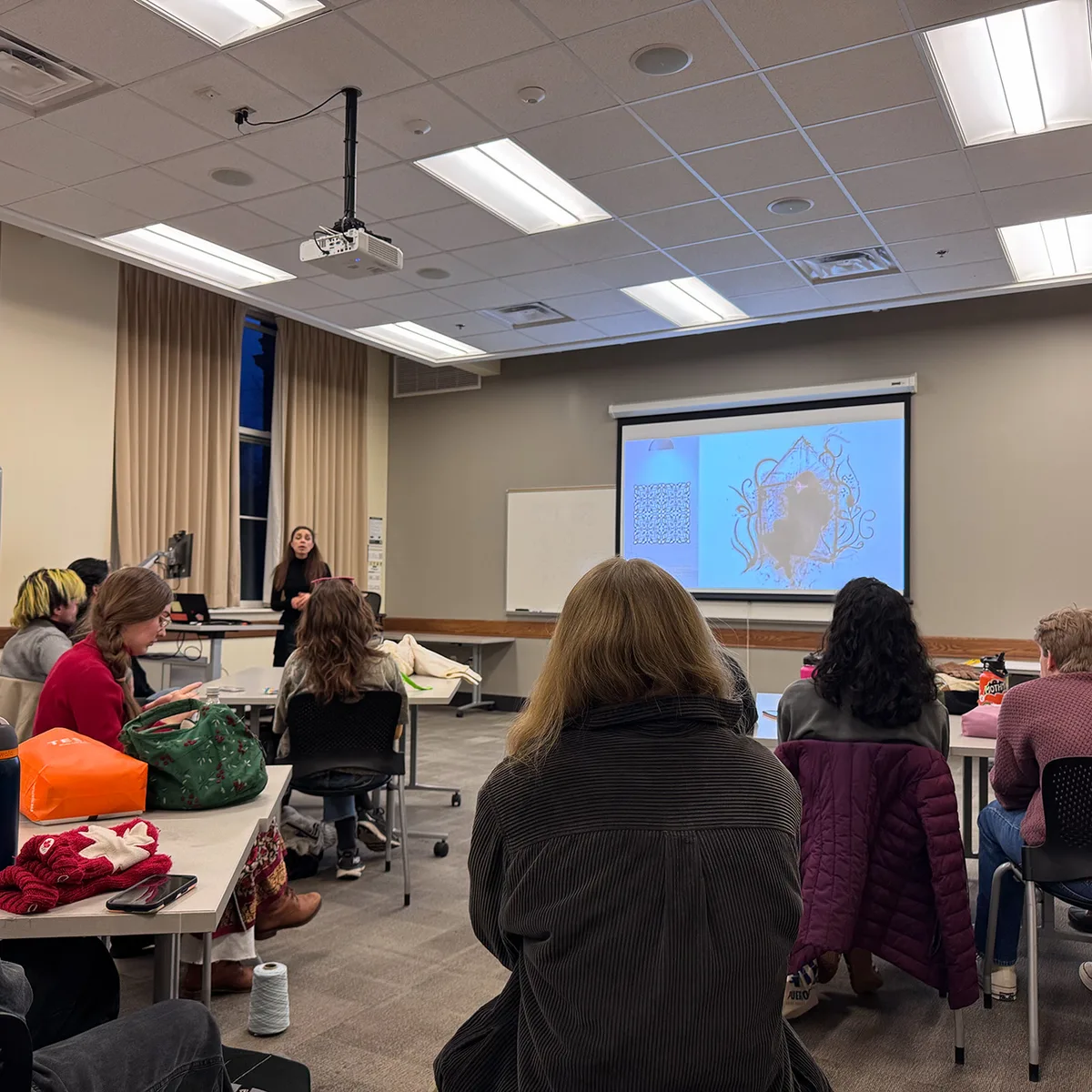
My teaching practice is grounded in the belief that creativity grows through observation, experimentation, and meaningful personal expression. I recognize that students bring different cultural backgrounds, experiences, interests, and ways of thinking into the studio, and I see these differences as valuable sources of creative possibility.I encourage students to connect their own experiences and interests with the work they create, while developing the technical skills needed to communicate their ideas effectively. Rather than relying on a single approach, I adapt instruction to different learning styles and levels of experience, creating opportunities for students to explore, experiment, and develop their own visual language.Through hands-on projects, demonstrations, discussion, and constructive critique, I aim to develop not only technical and observational skills, but also conceptual thinking, confidence, and creative problem-solving. My goal is to create a supportive studio environment where students feel comfortable questioning conventions, taking creative risks, and discovering an authentic voice within their practice.
Teaching Experience
-
Art 1200: Description & Drawing
-
Art + Design Youth Summer Camp
-
Structure & Space Workshop
-
Art 1210 — Function and Practice Art 1200 — Description and Drawing Art 1220 — Image and Design
-
Art 3520: Graphic Design Studio II
-
Computer-Aided Make-up
-
Introduction to Computers
Featured Teaching
Art 1200: Description & Drawing
Course Overview
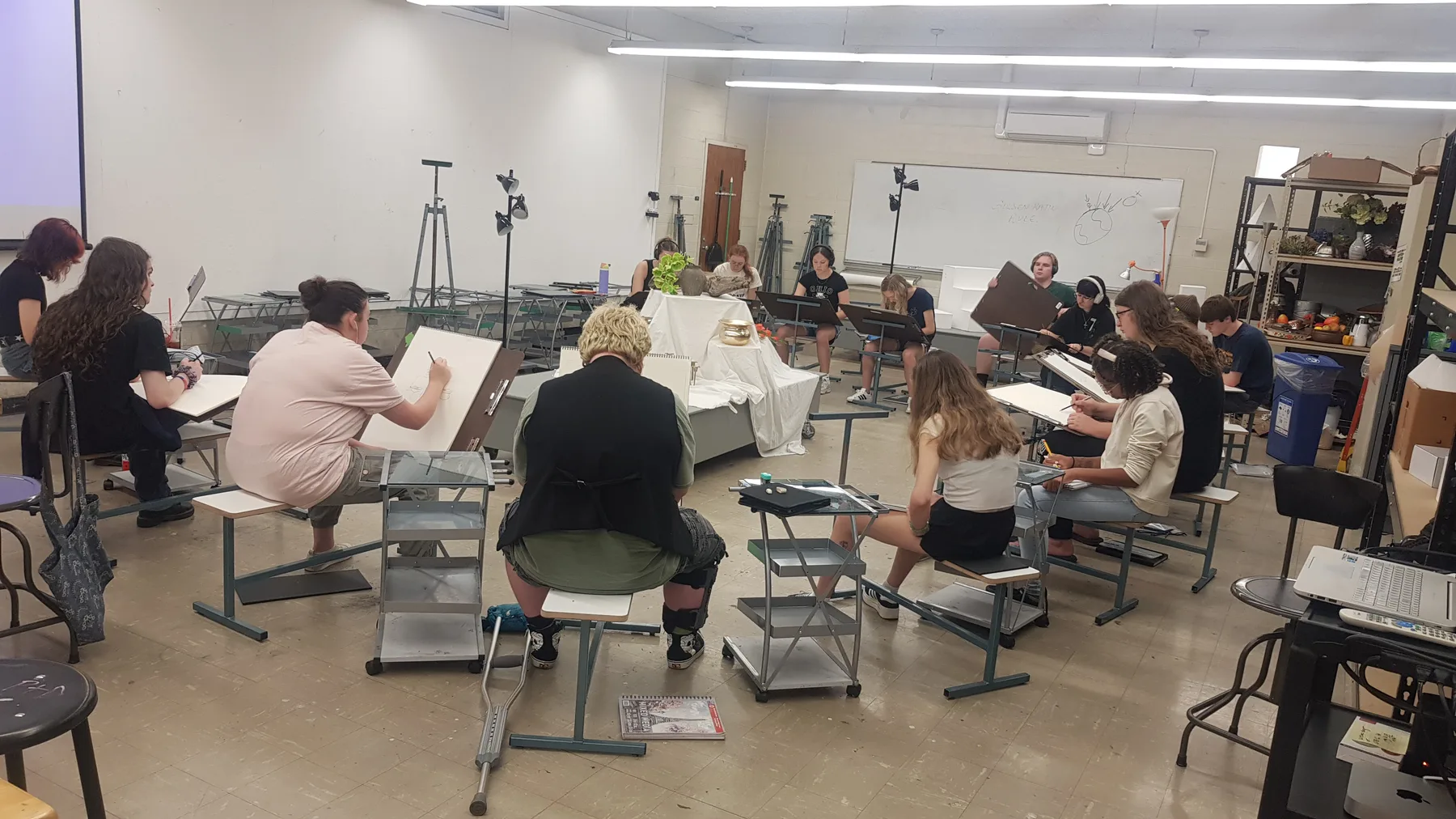
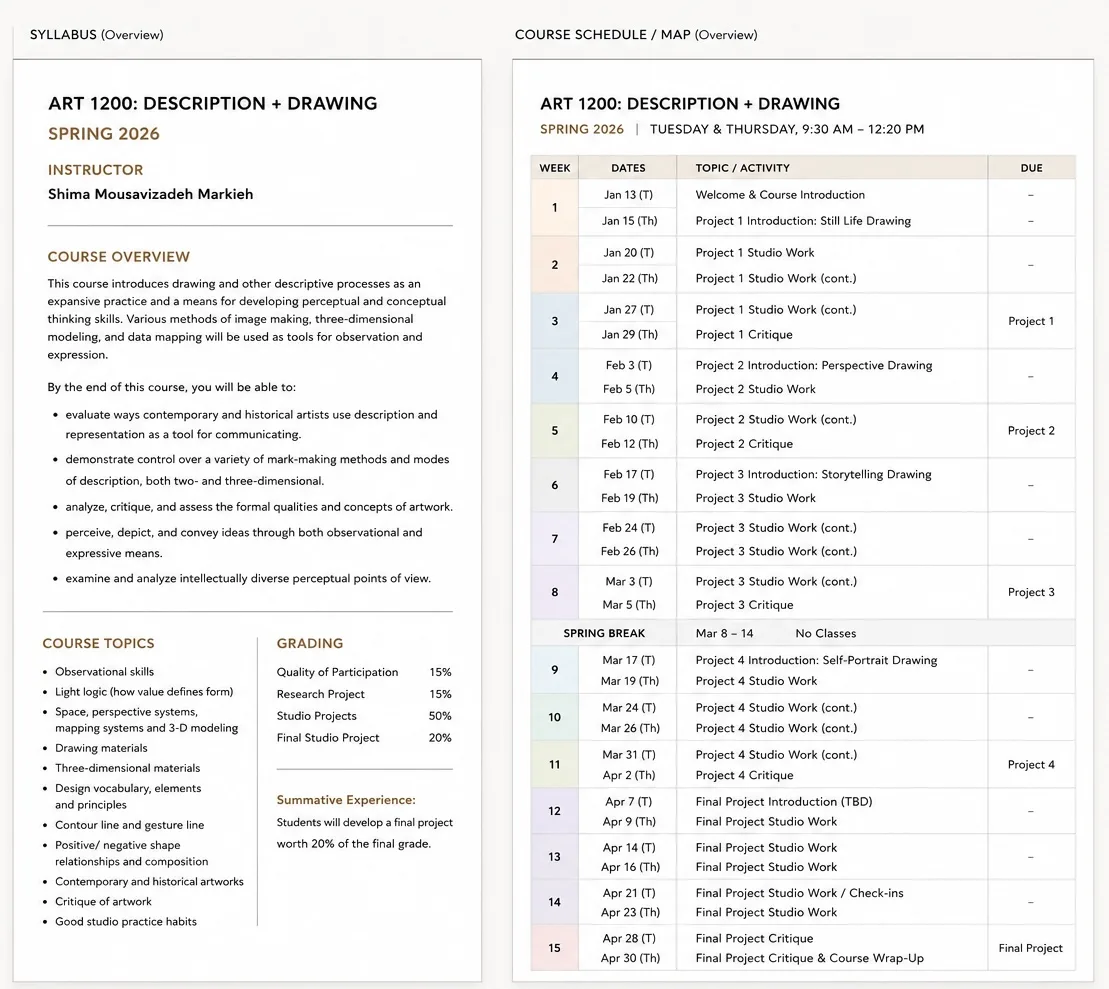
This course introduces drawing and descriptive processes as tools for developing perceptual, conceptual, and expressive thinking. Through hands-on exploration of drawing, materials, space, perspective, and three-dimensional processes, students developed both observational skills and individual approaches to visual expression.
Alongside studio projects, students participated in weekly 15-minute presentations on an artist of their choice. These presentations encouraged students to investigate artists who genuinely interested them while exposing the class to a broader range of artistic practices, styles, and perspectives. The activity also strengthened research, presentation, and critical discussion skills.
Course Design & Development
I developed the course syllabus, course map, and semester schedule, establishing the overall structure, learning sequence, and progression of the course. I designed four major studio projects and a final project, determining the objectives, materials, instructional activities, studio time, critiques, and deadlines for each. The course was structured to progressively develop students’ observational, technical, conceptual, and expressive drawing skills.
Project 01 — STILL LIFE DRAWING
Project Overview
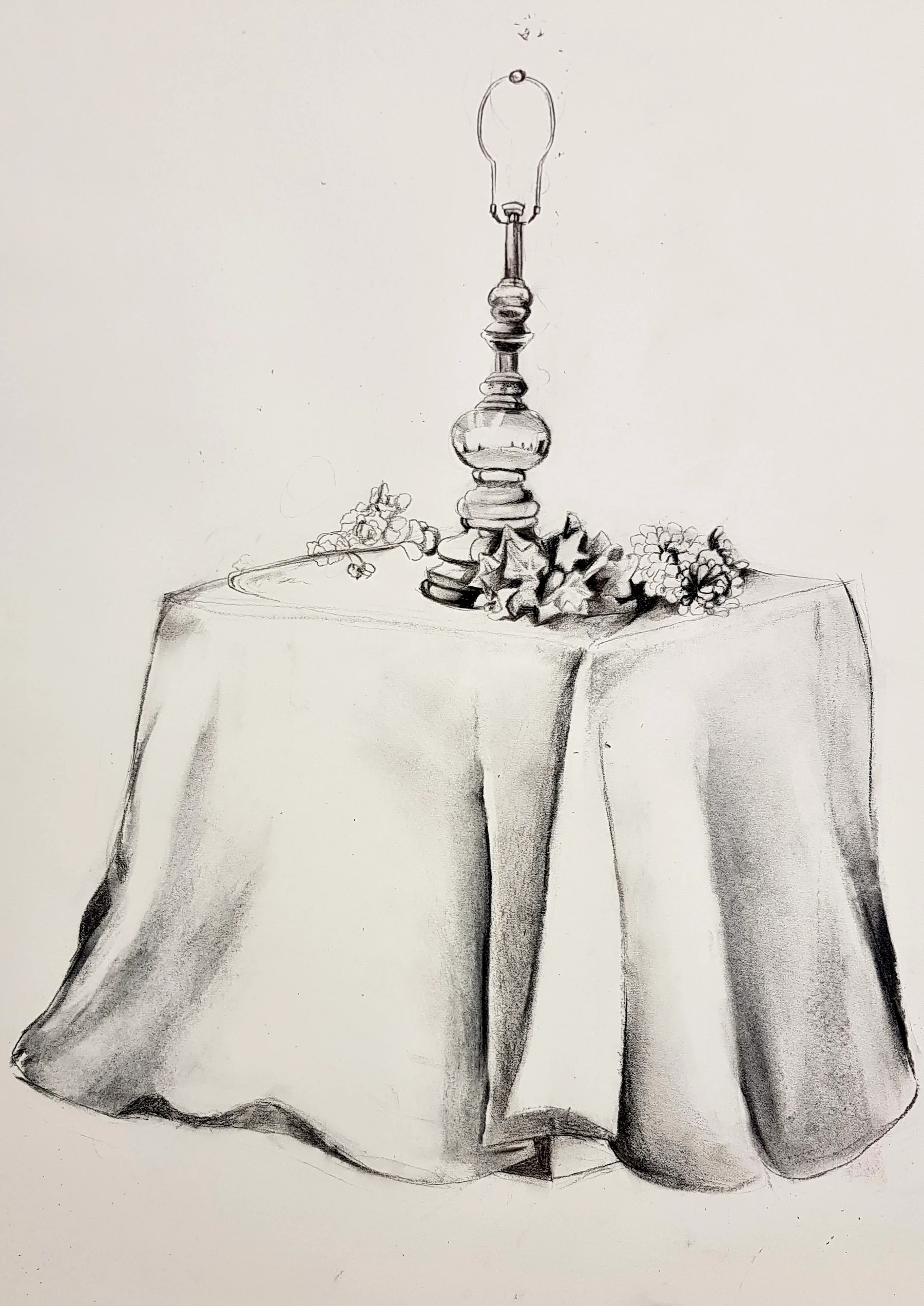
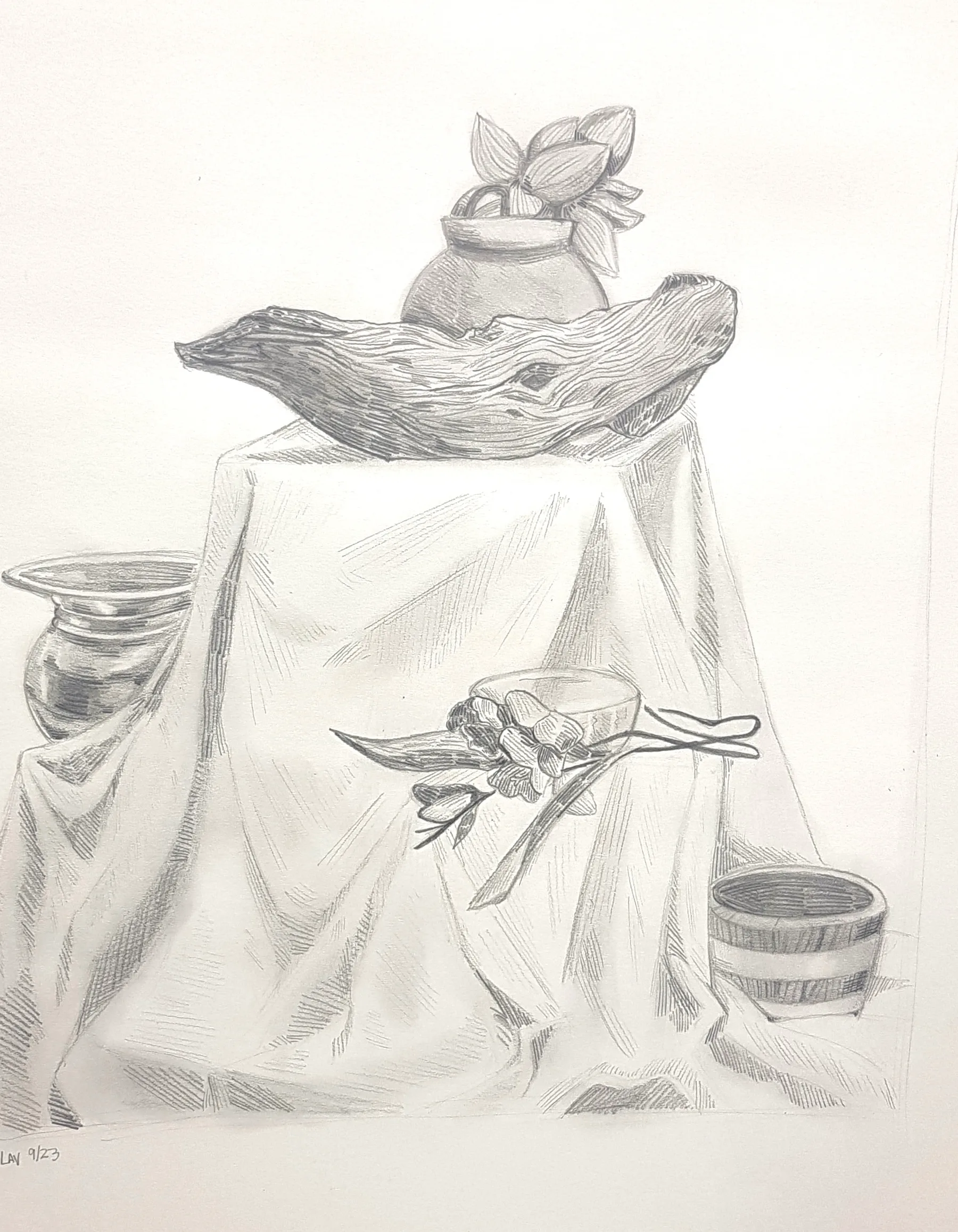
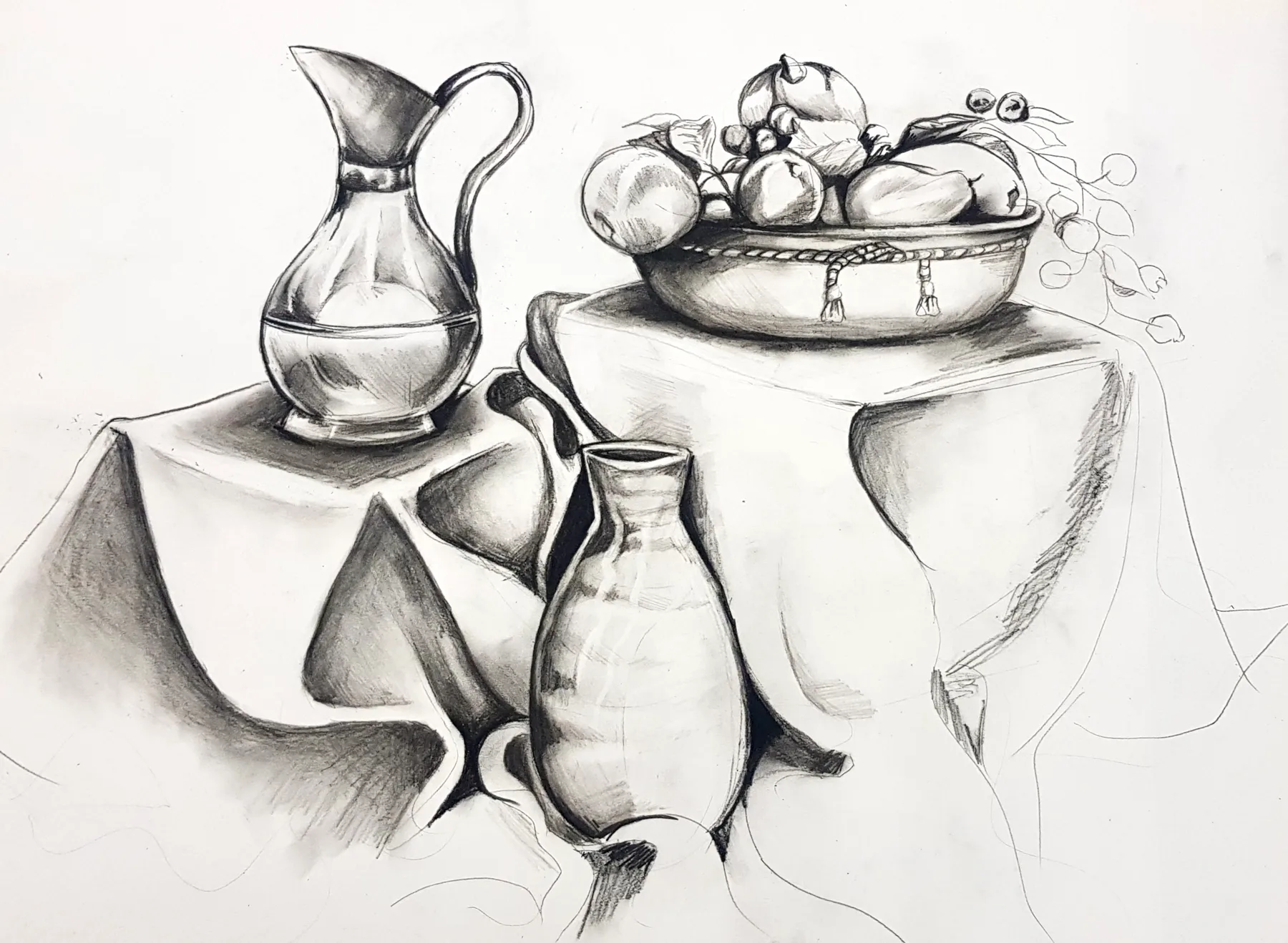
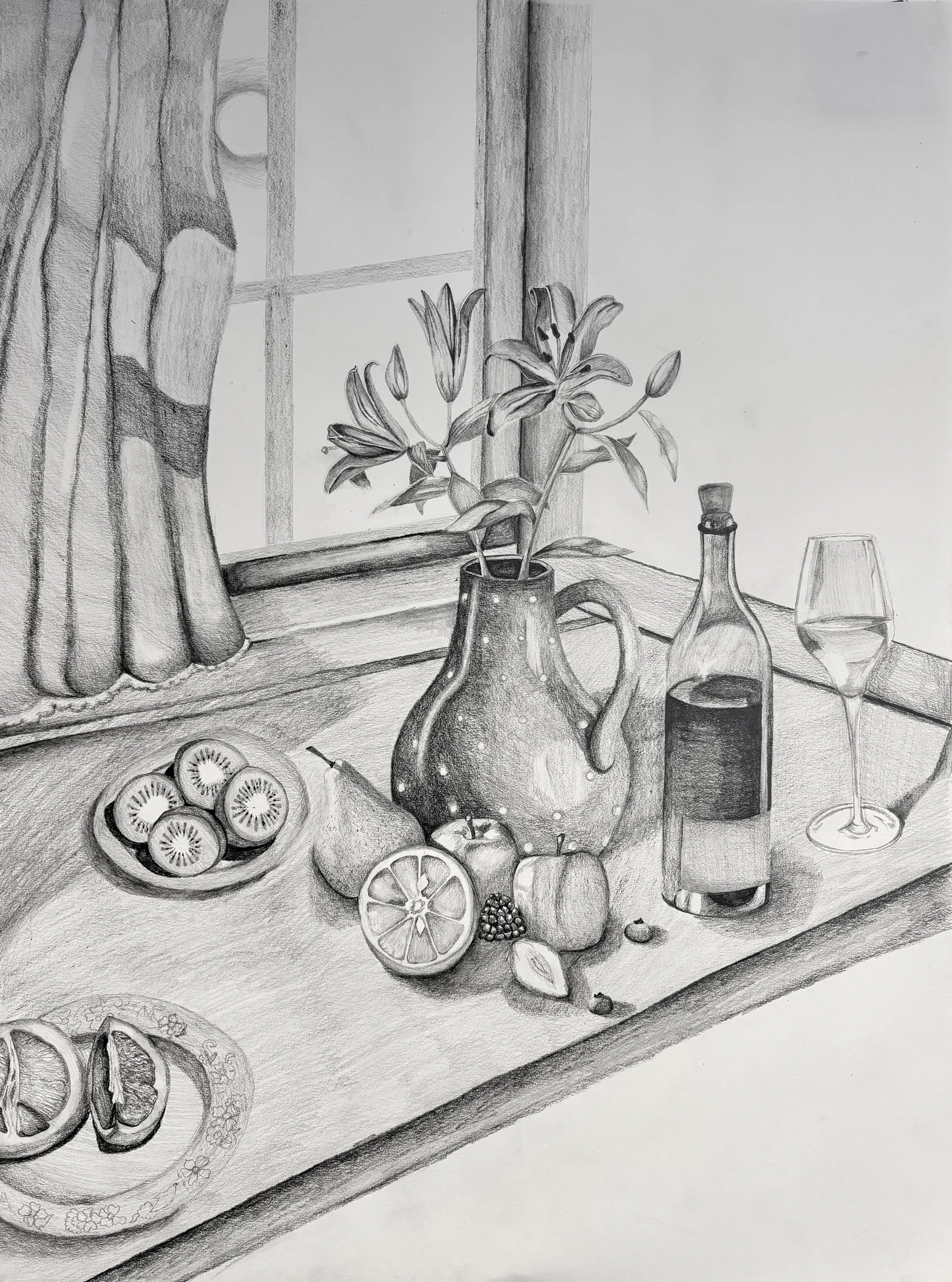
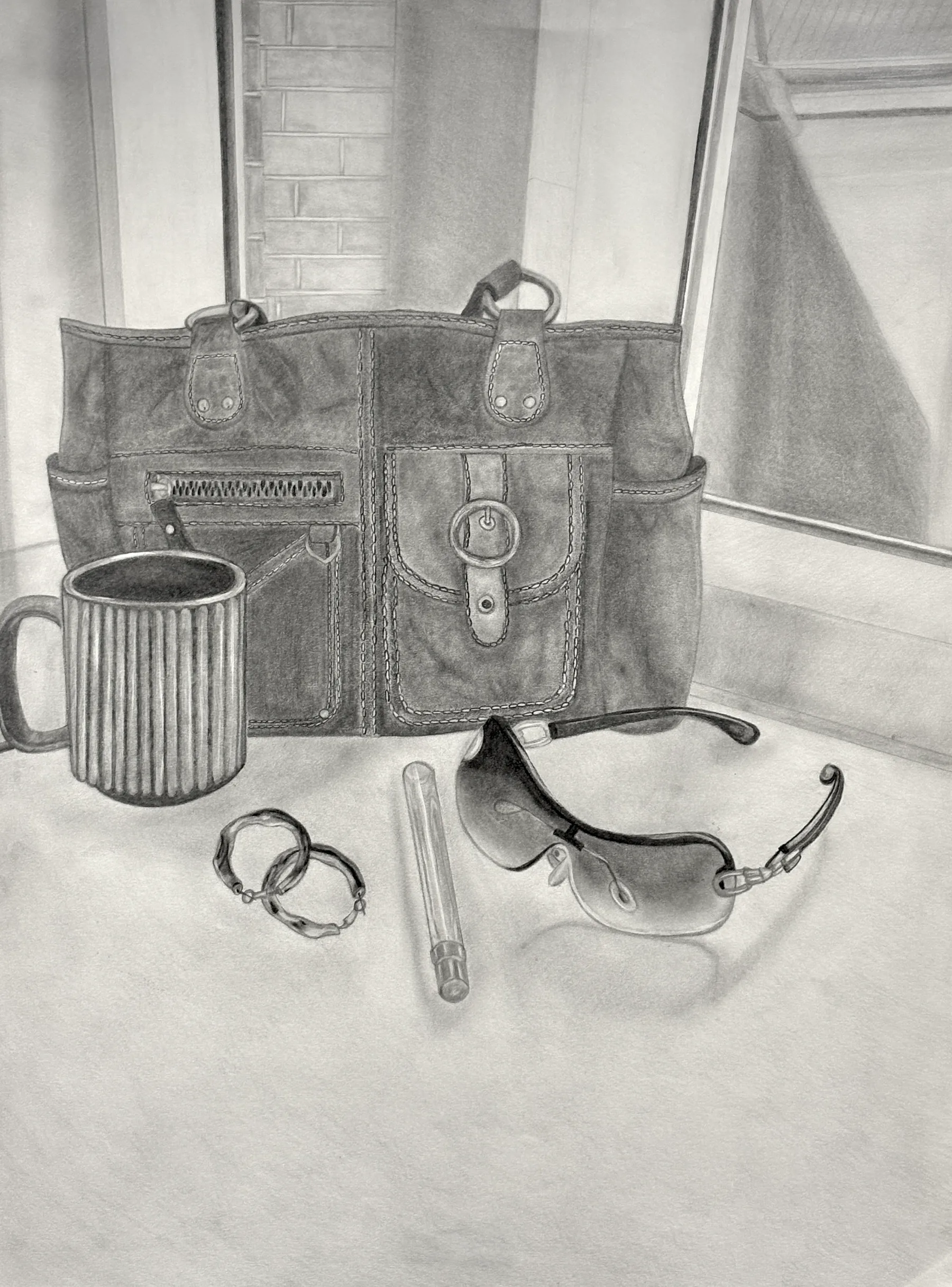
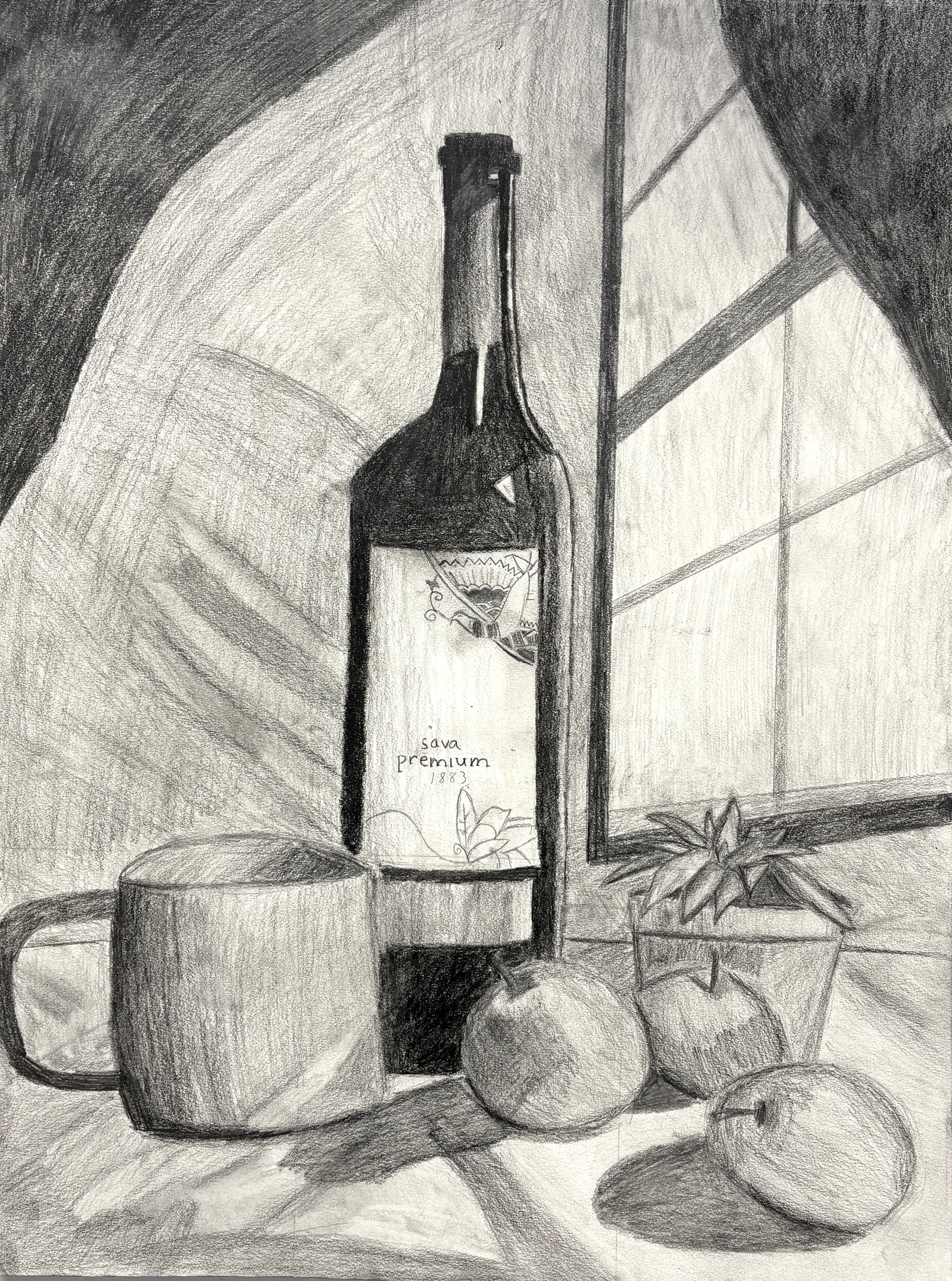
Project 01 introduces students to the foundations of observational drawing through line, shape, form, composition, value, shading, and texture. Students begin by drawing basic geometric forms and gradually apply these skills to more complex still-life arrangements. Through warm-up exercises, demonstrations, studio practice, individual feedback, and group critique, students learn to observe objects more carefully and translate three-dimensional form, spatial relationships, and surface qualities into two-dimensional drawings.
Key Concepts
Line · Form · Composition · Value · Shading · Texture · Observation
Media
Graphite Pencil · Charcoal
Student Work
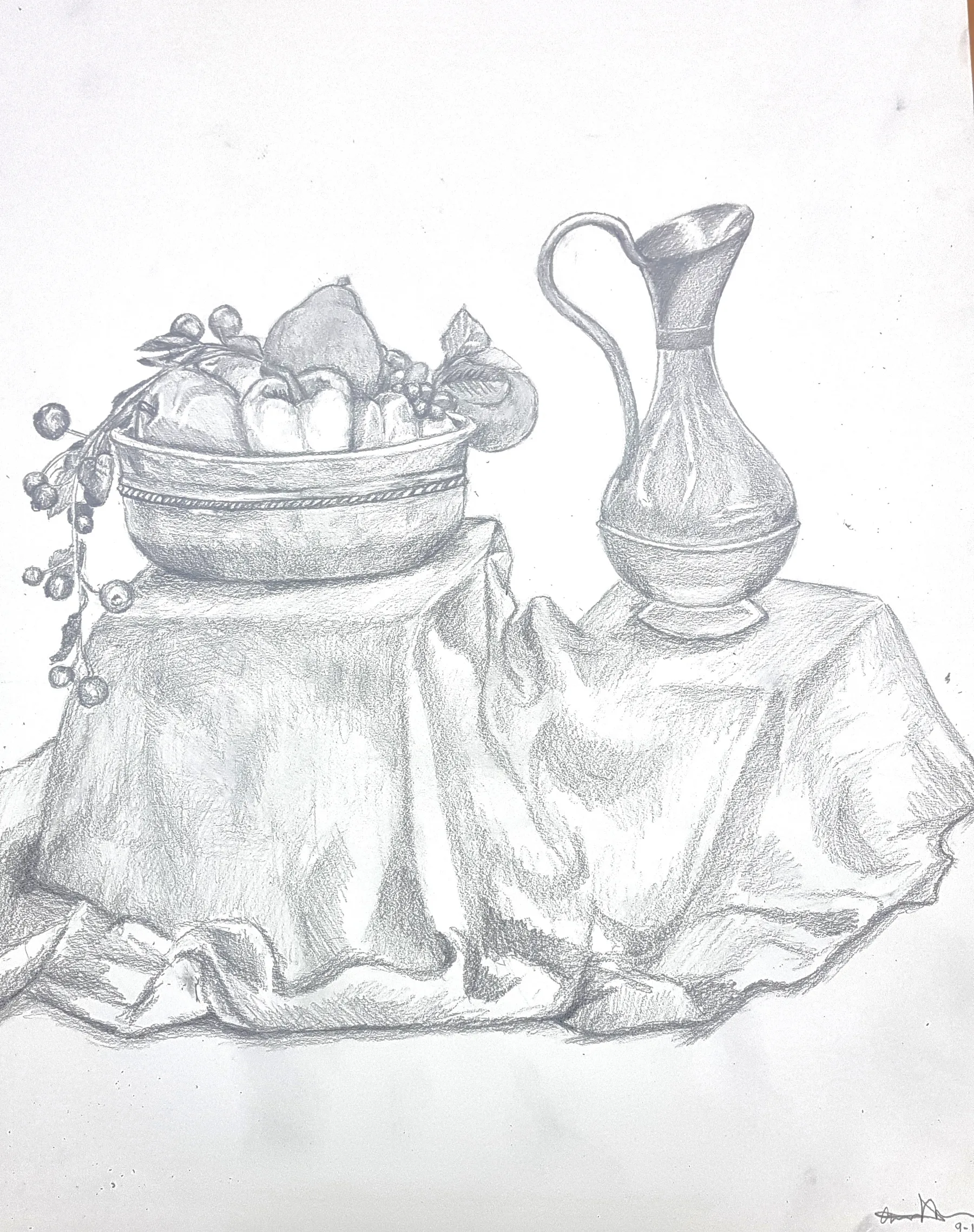
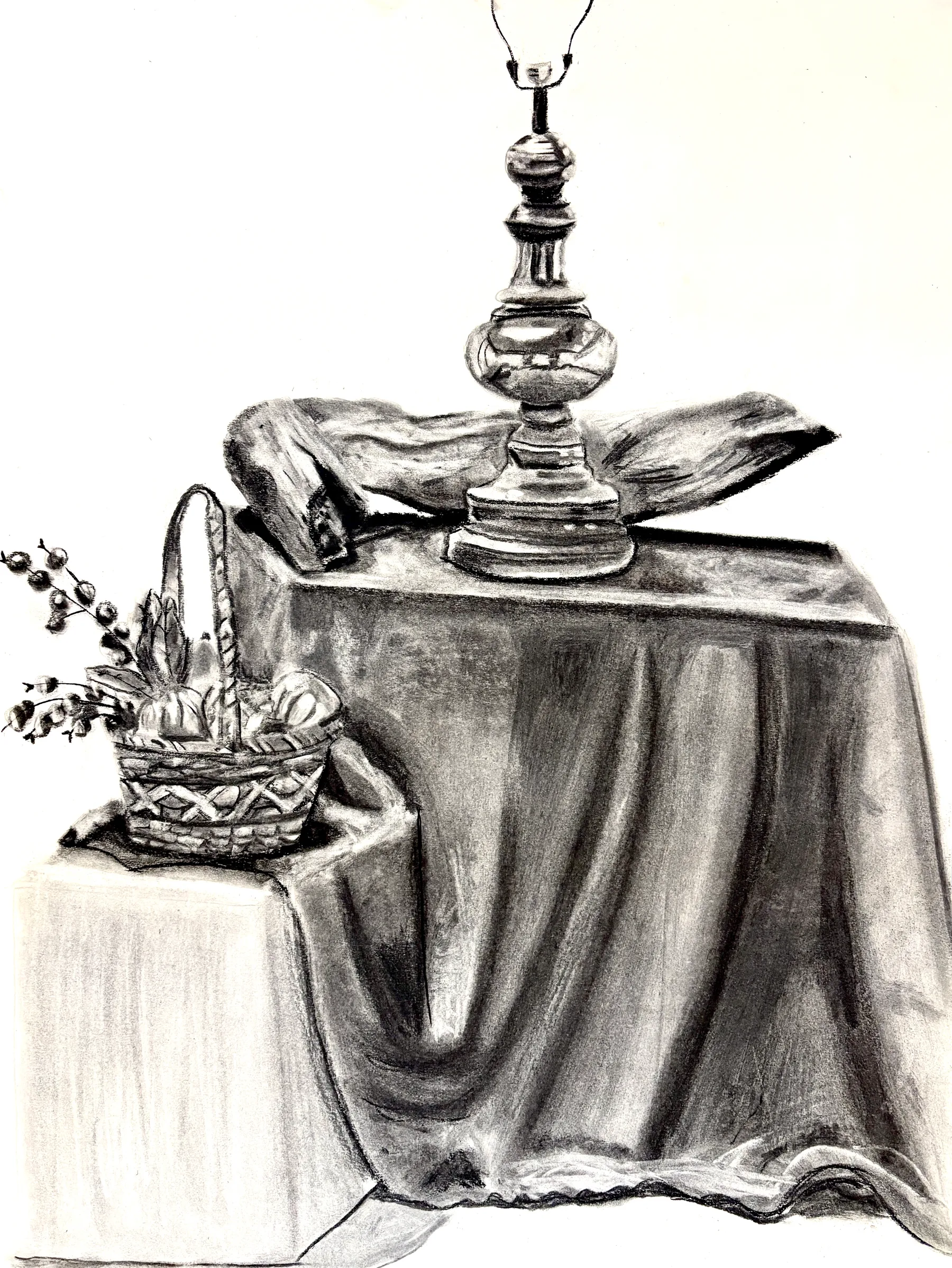
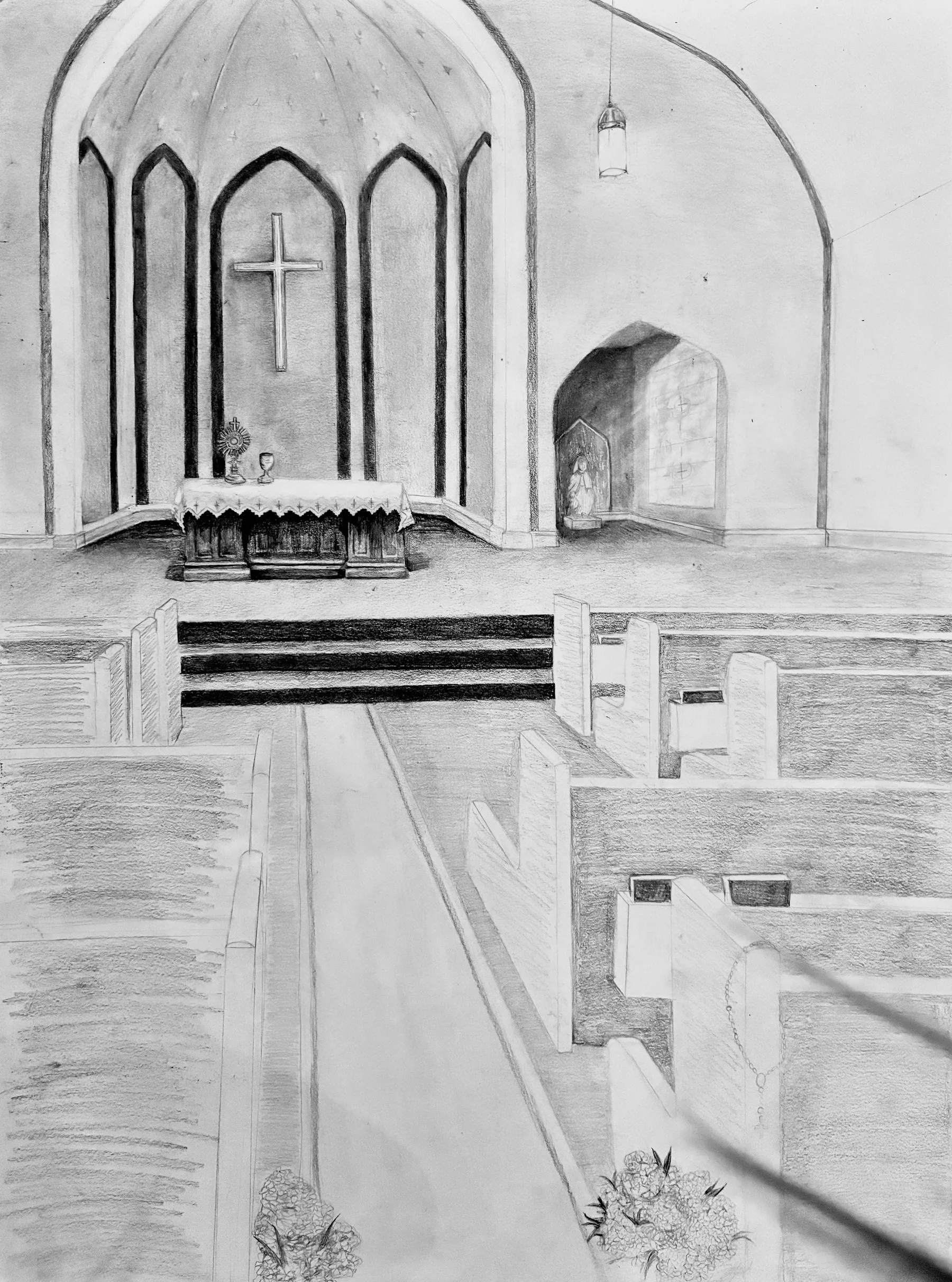
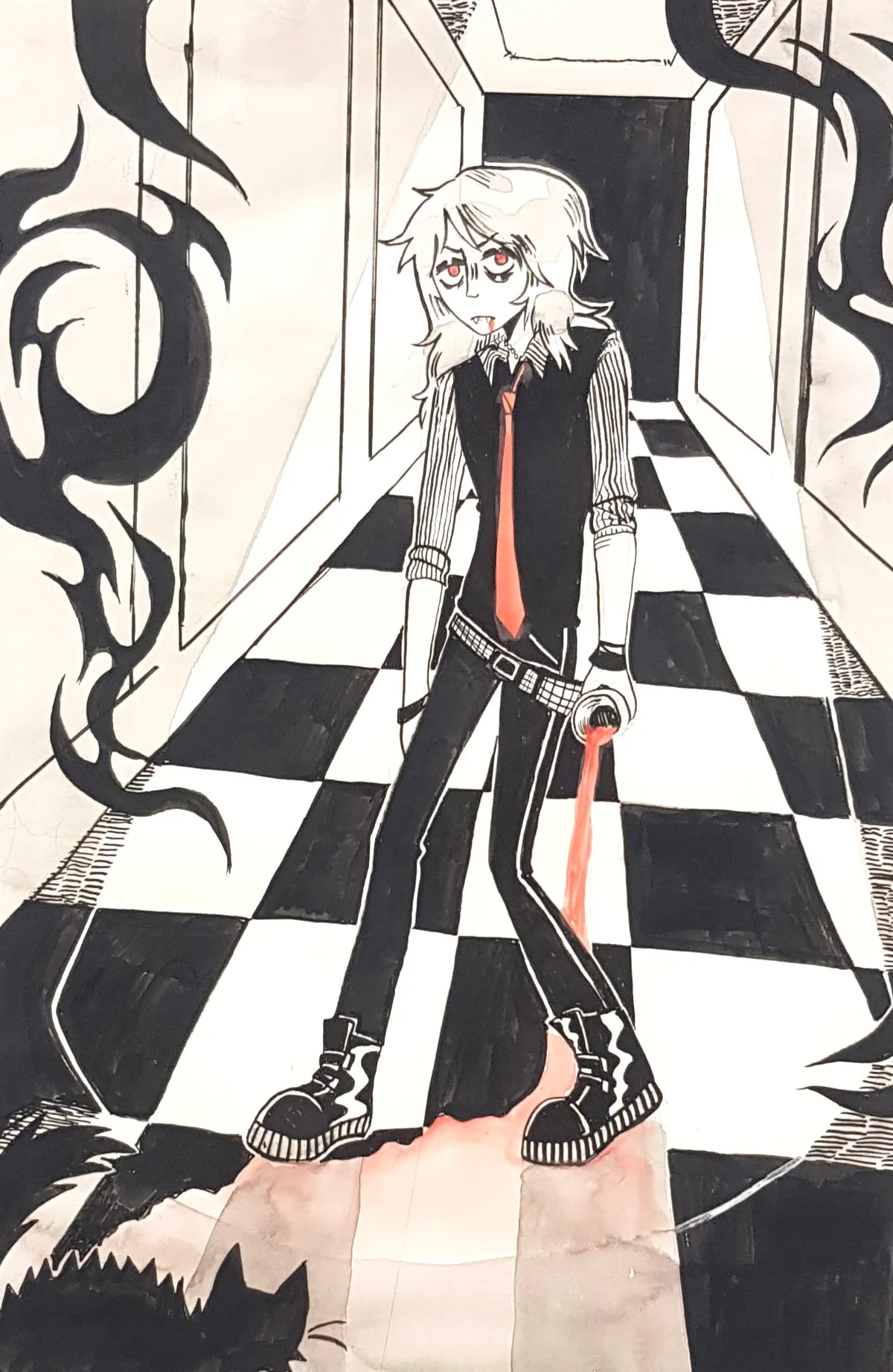
Project 02 — PERSPECTIVE DRAWING
Project Overview
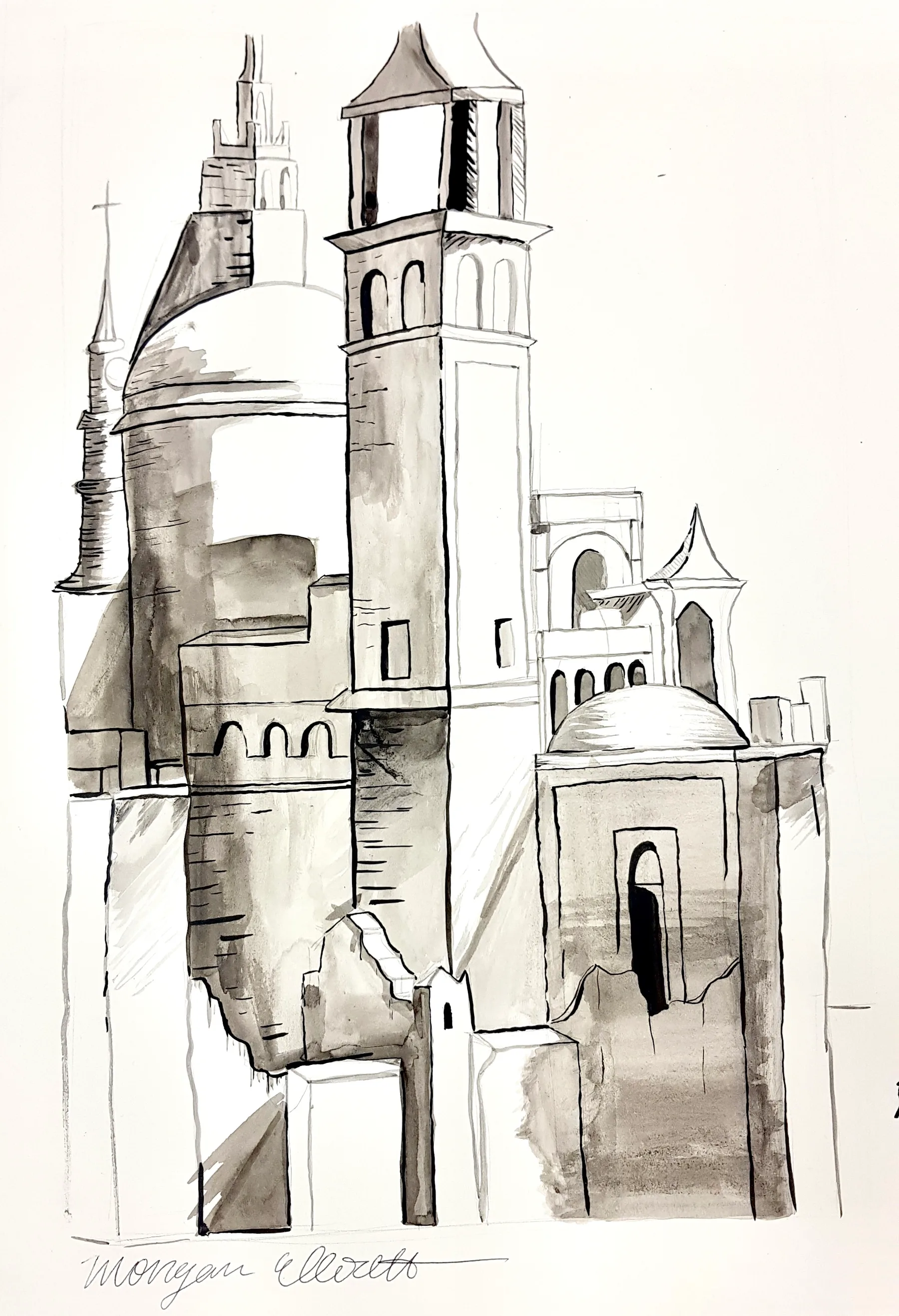
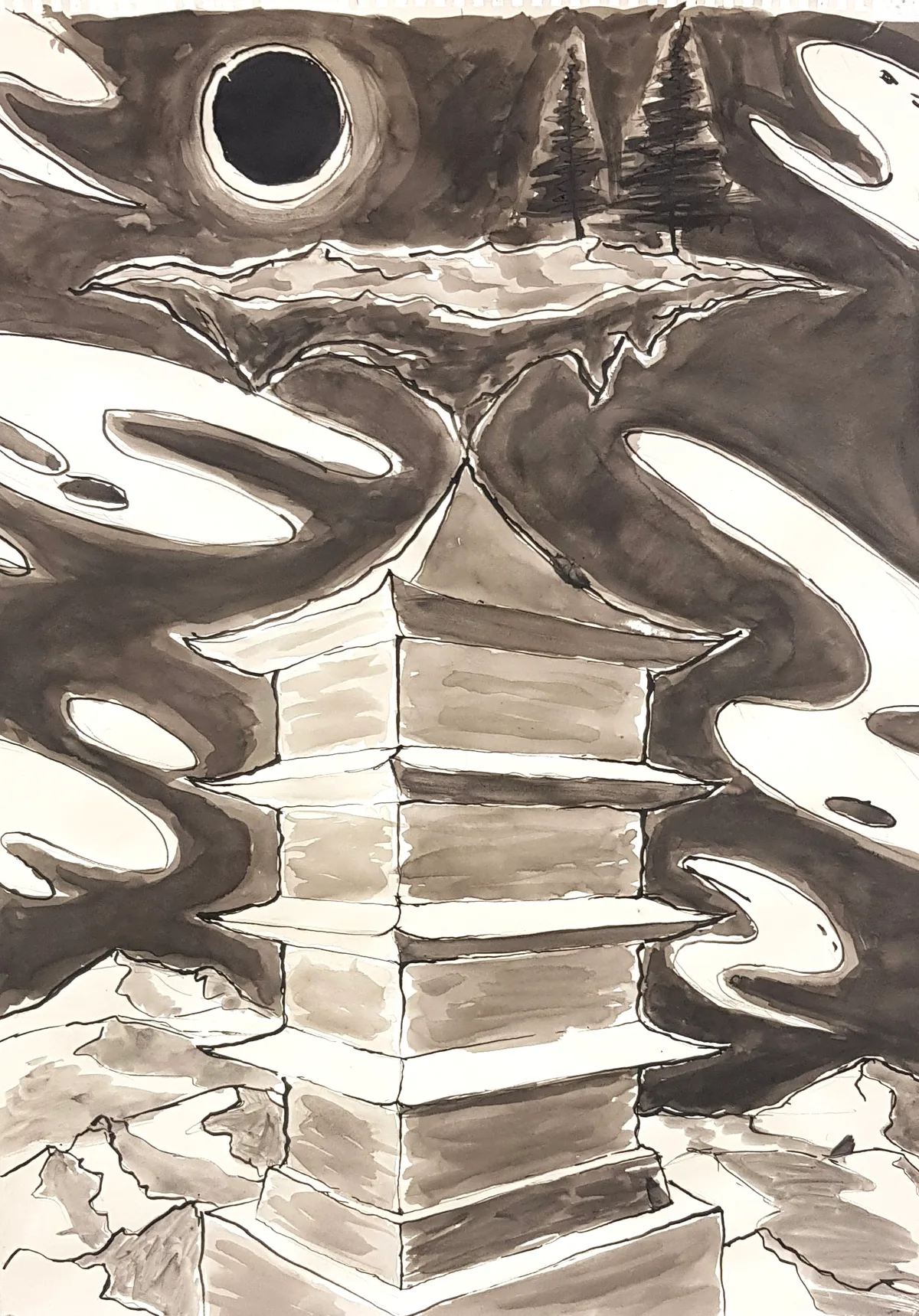
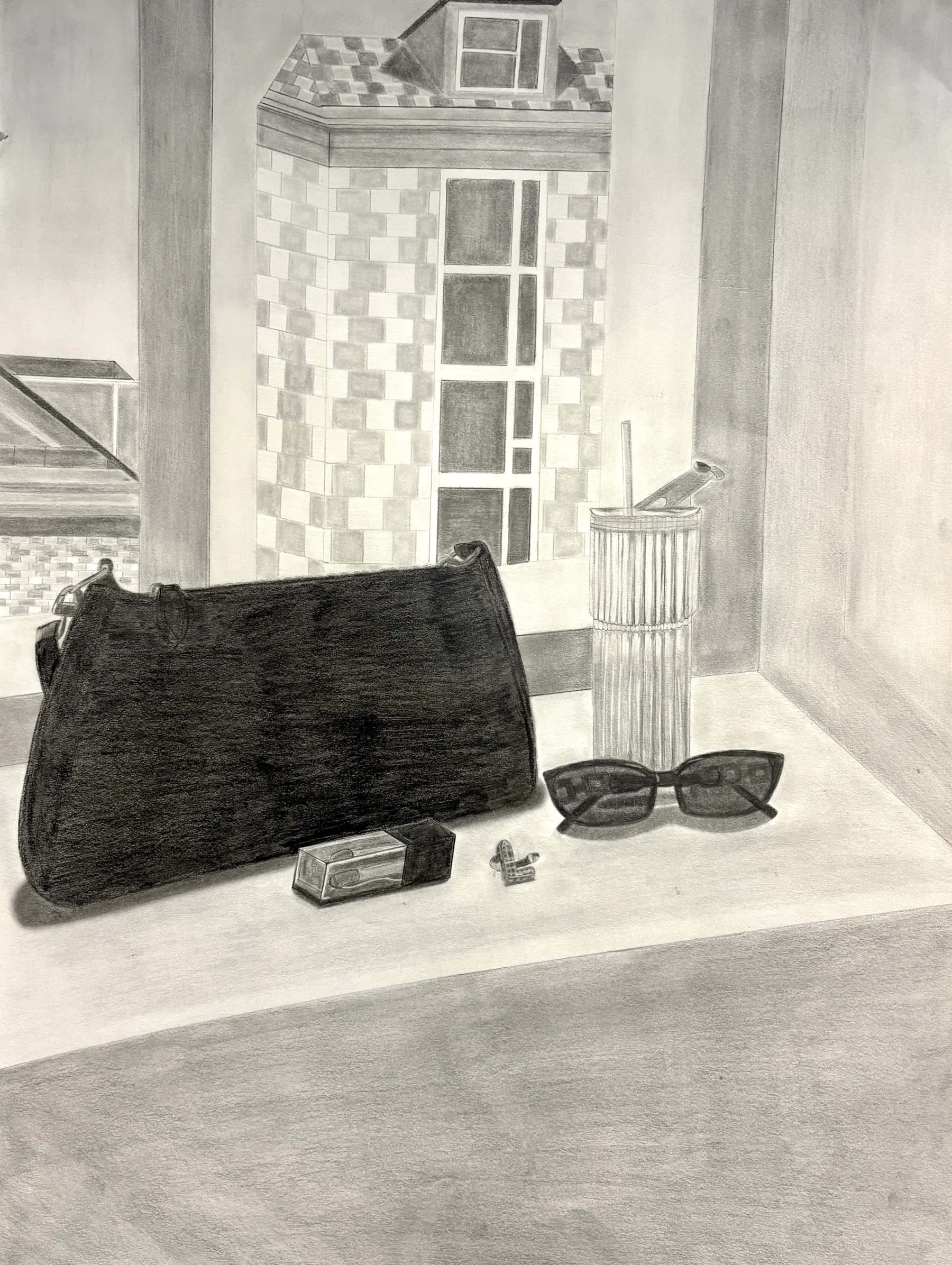
Project 02 introduces students to perspective as both a technical drawing system and a tool for representing meaningful spaces. Students examine and analyze examples of perspective in art before practicing one-, two-, and three-point perspective through observational drawing. Beginning with views of the classroom and continuing with drawings of their own homes, students learn to recognize and construct spatial relationships. The project culminates in a final drawing of a place connected to a personal memory or meaningful experience, combining technical understanding with individual interpretation and expression.
Key Concepts
Perspective · Observation · Spatial Relationships · Composition · Memory · Personal Expression
Media
Graphite Pencil · Ink · Marker · Fineliner
Student Work
Project 03 — STORYTELLING DRAWING
Project Overview
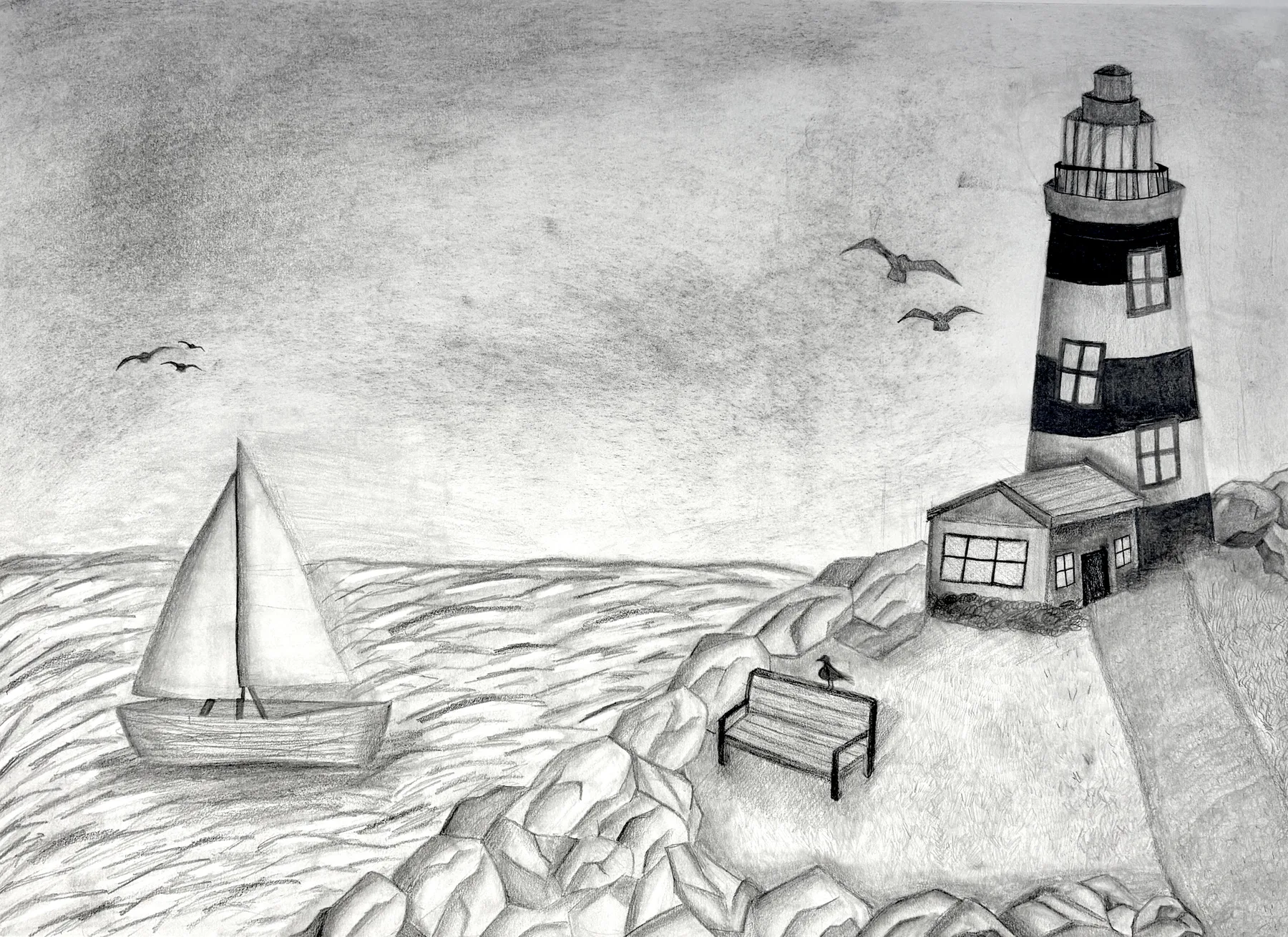
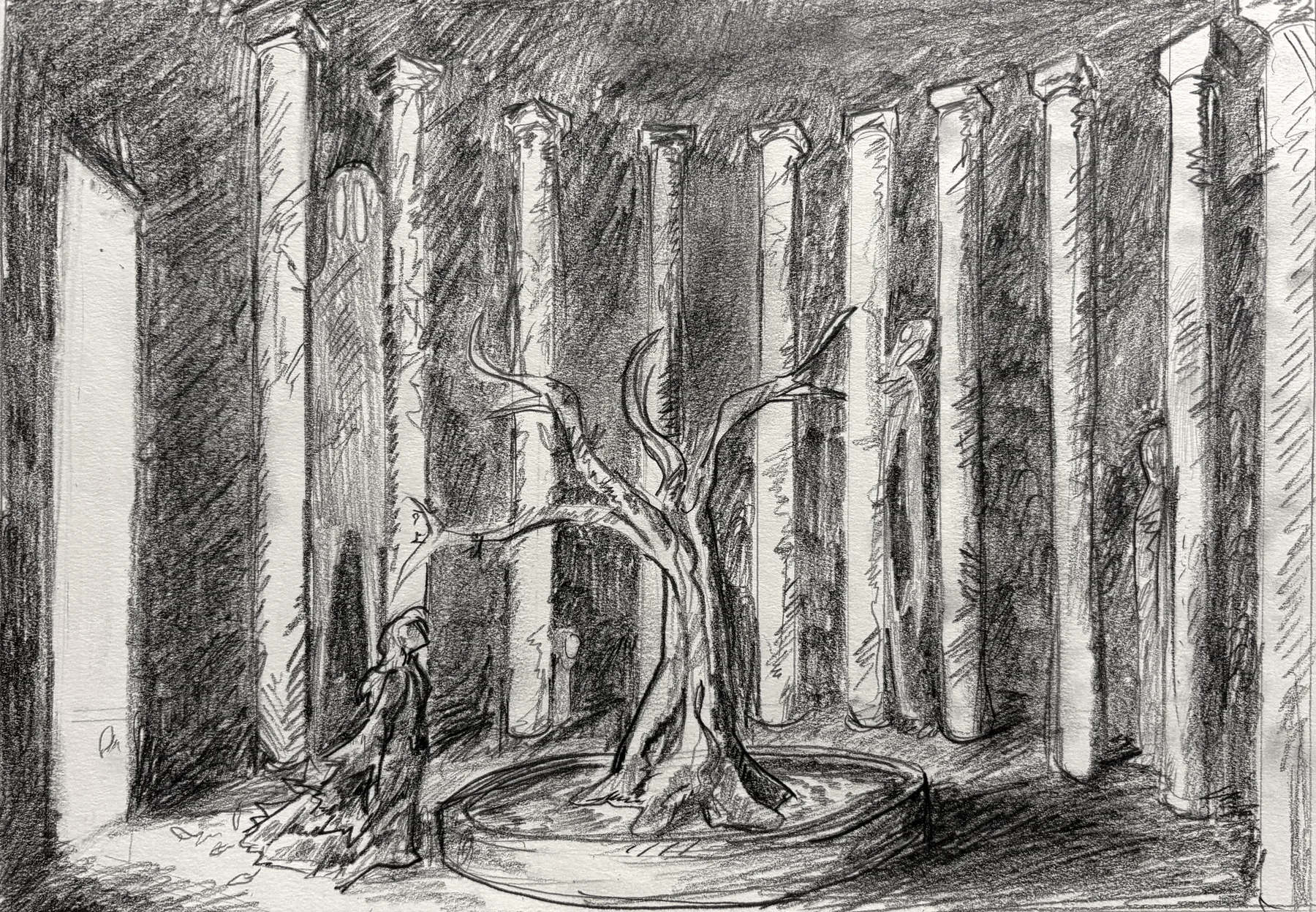
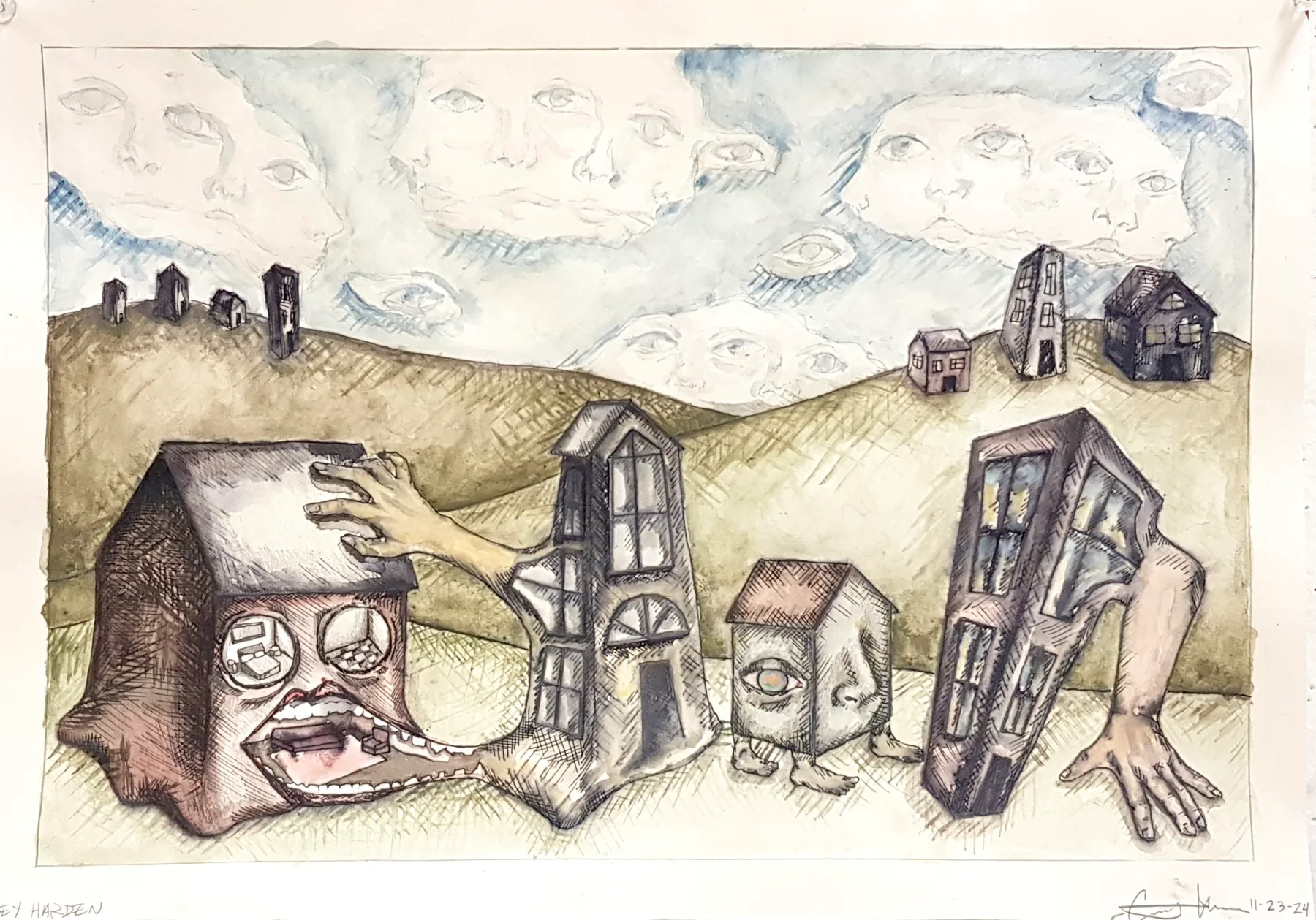
This project explores drawing as a tool for imagination and visual storytelling. Students begin by interpreting a short written description of a landscape and translating it into an image based on their own imagination. They then develop a short narrative inspired by a place, landscape, or personal memory and create a drawing that visually communicates their own story and interpretation.
Key Concepts
Imagination · Transformation · Character · Interpretation · Narrative · Visual Storytelling
Media
Graphite Pencil · Charcoal · Pastel · Fineliner
Student Work
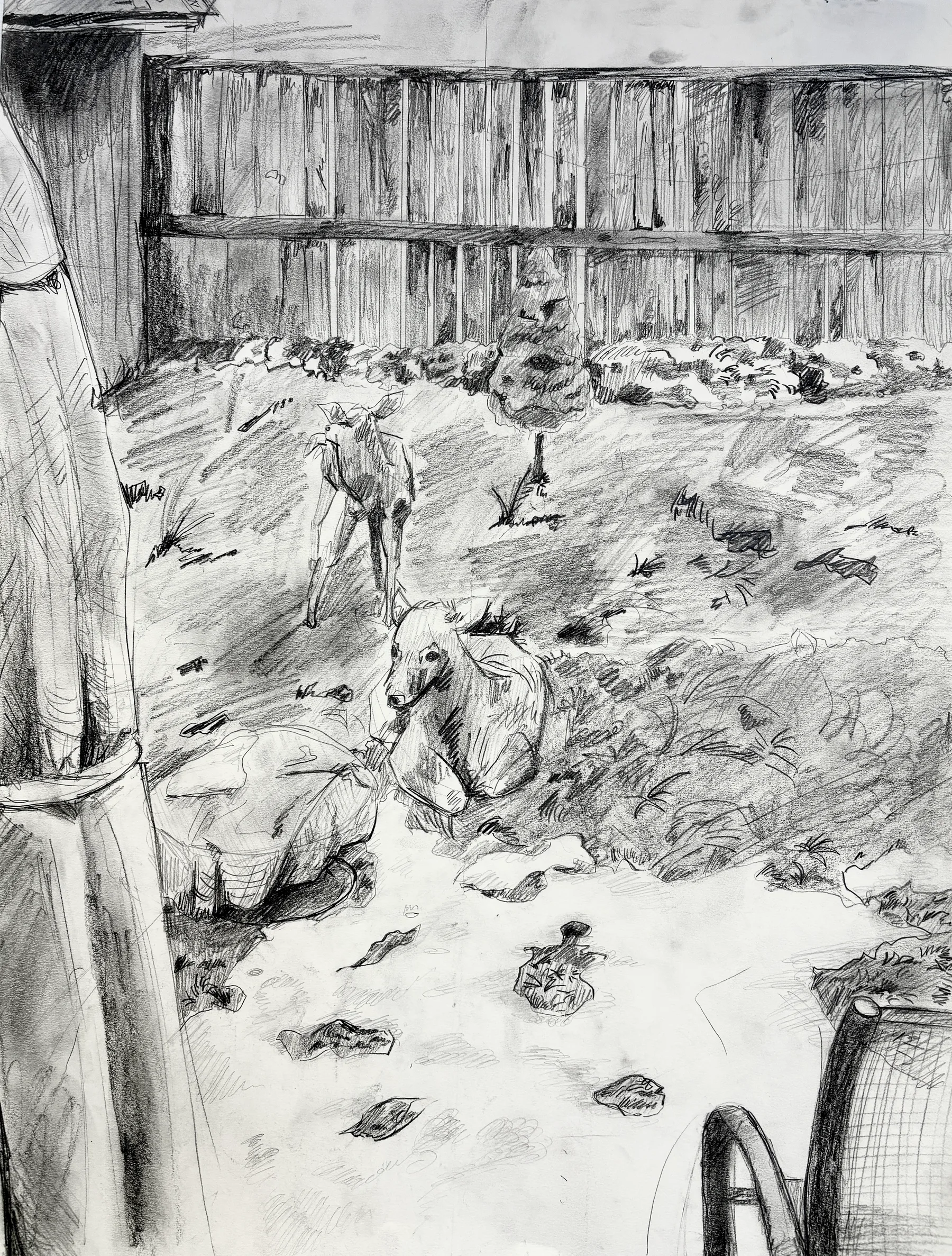
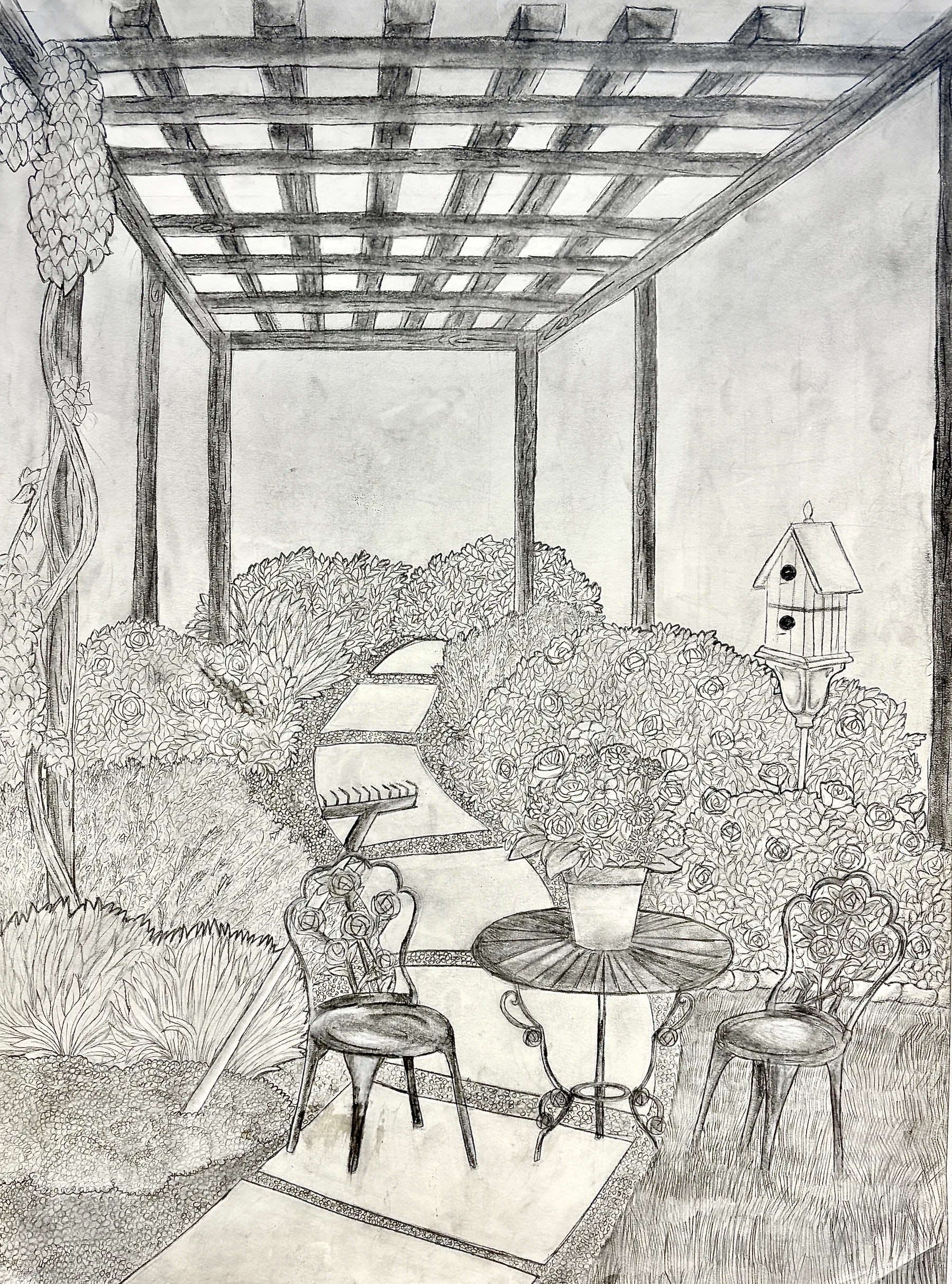
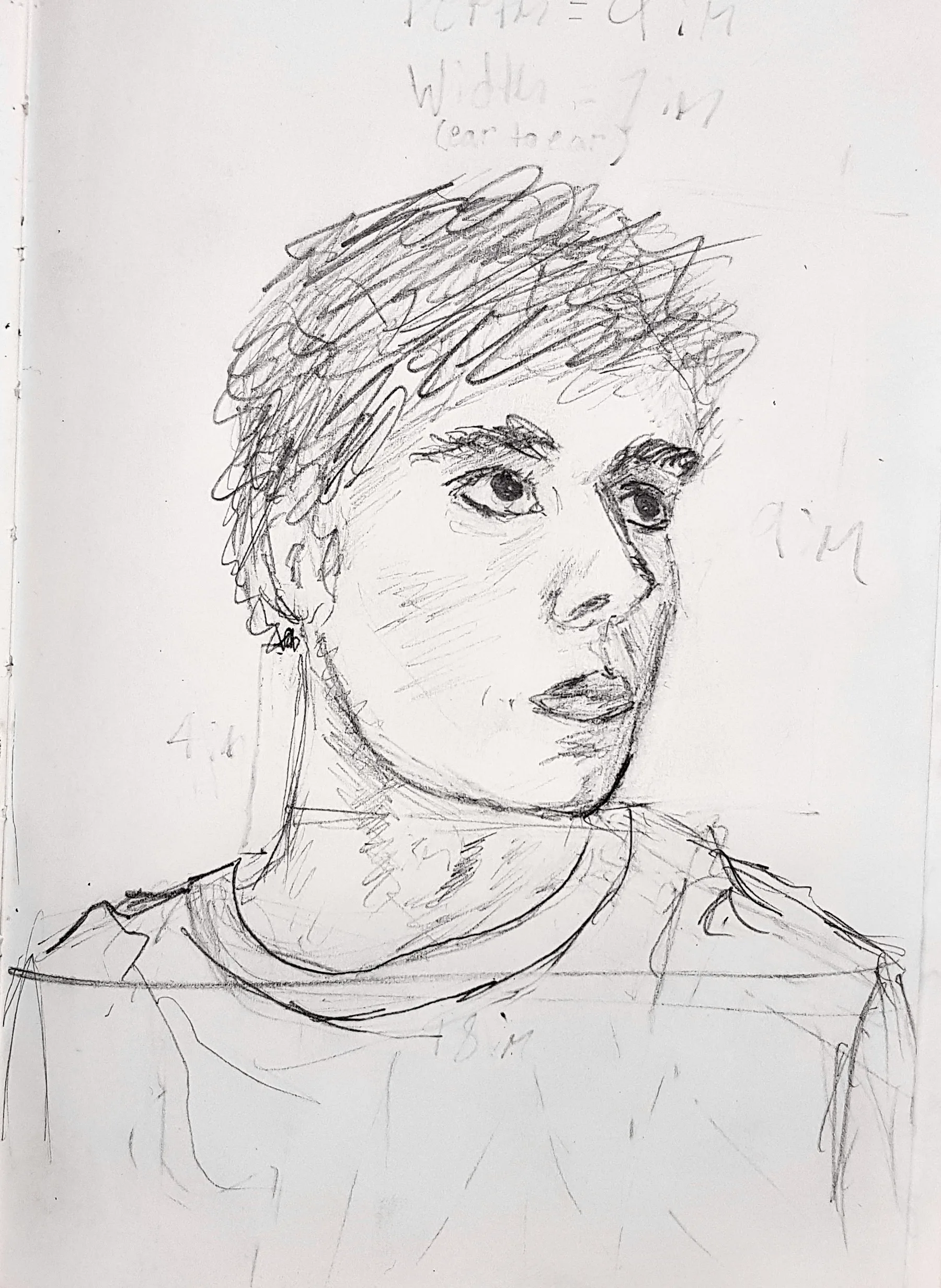
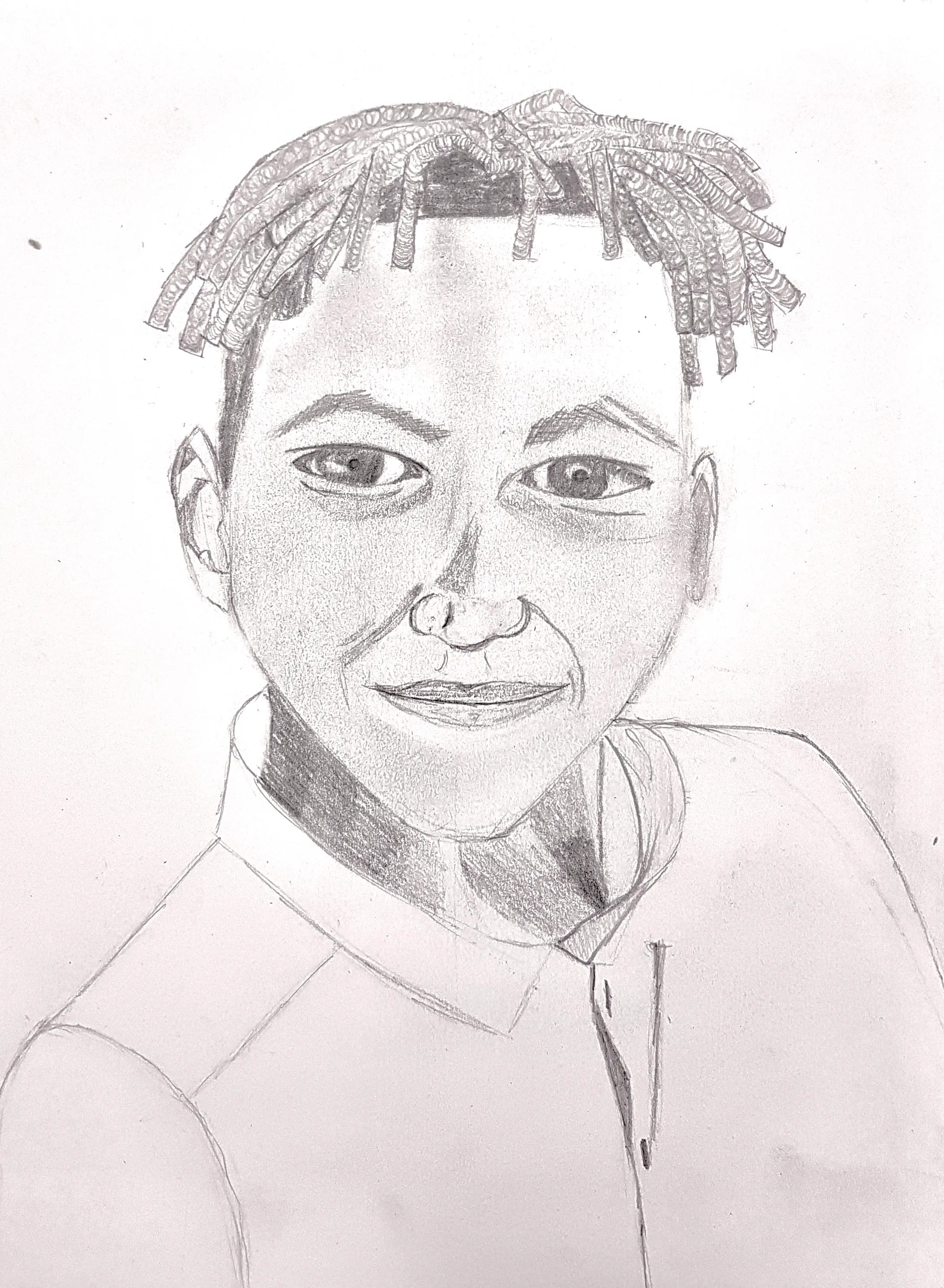
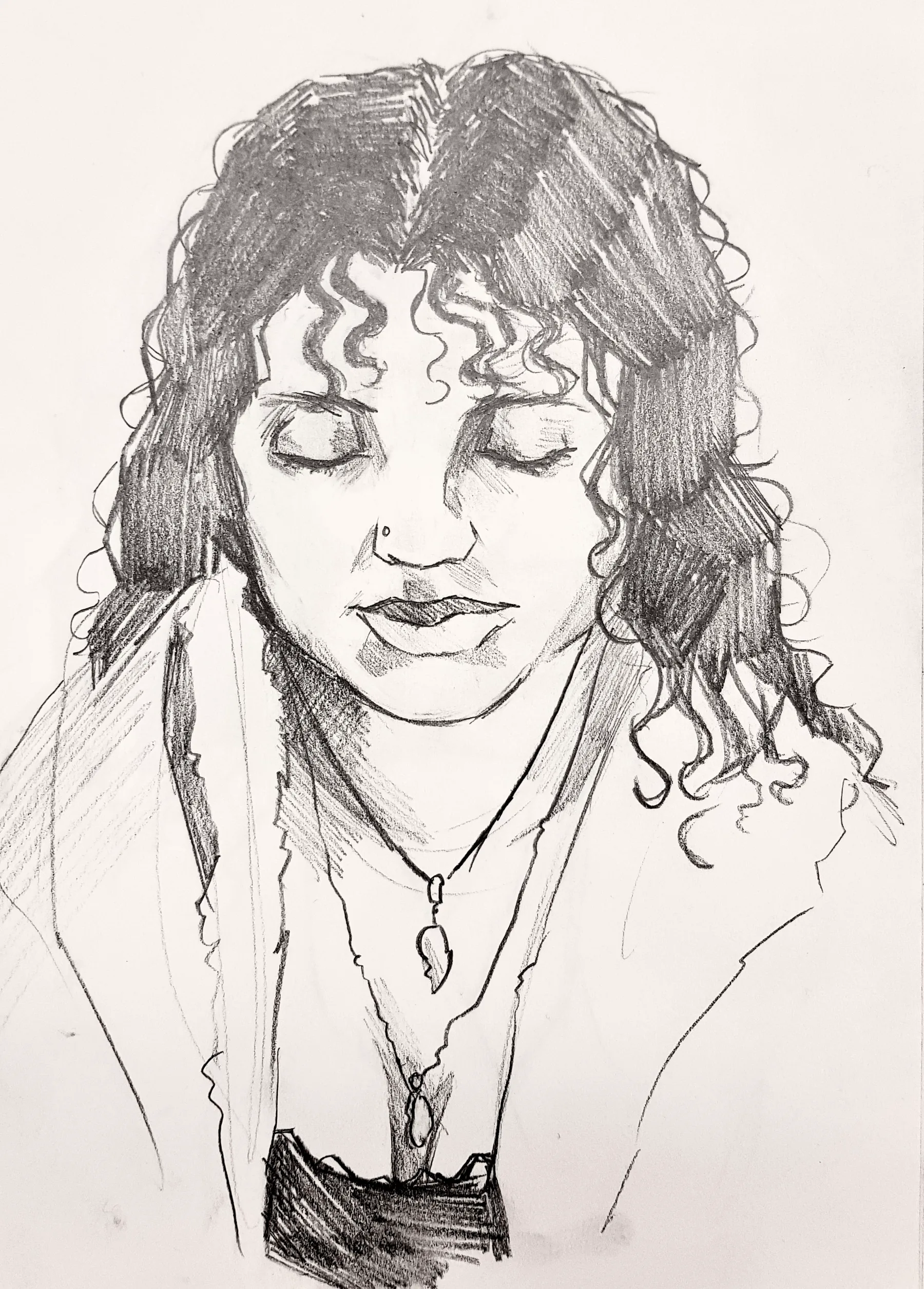
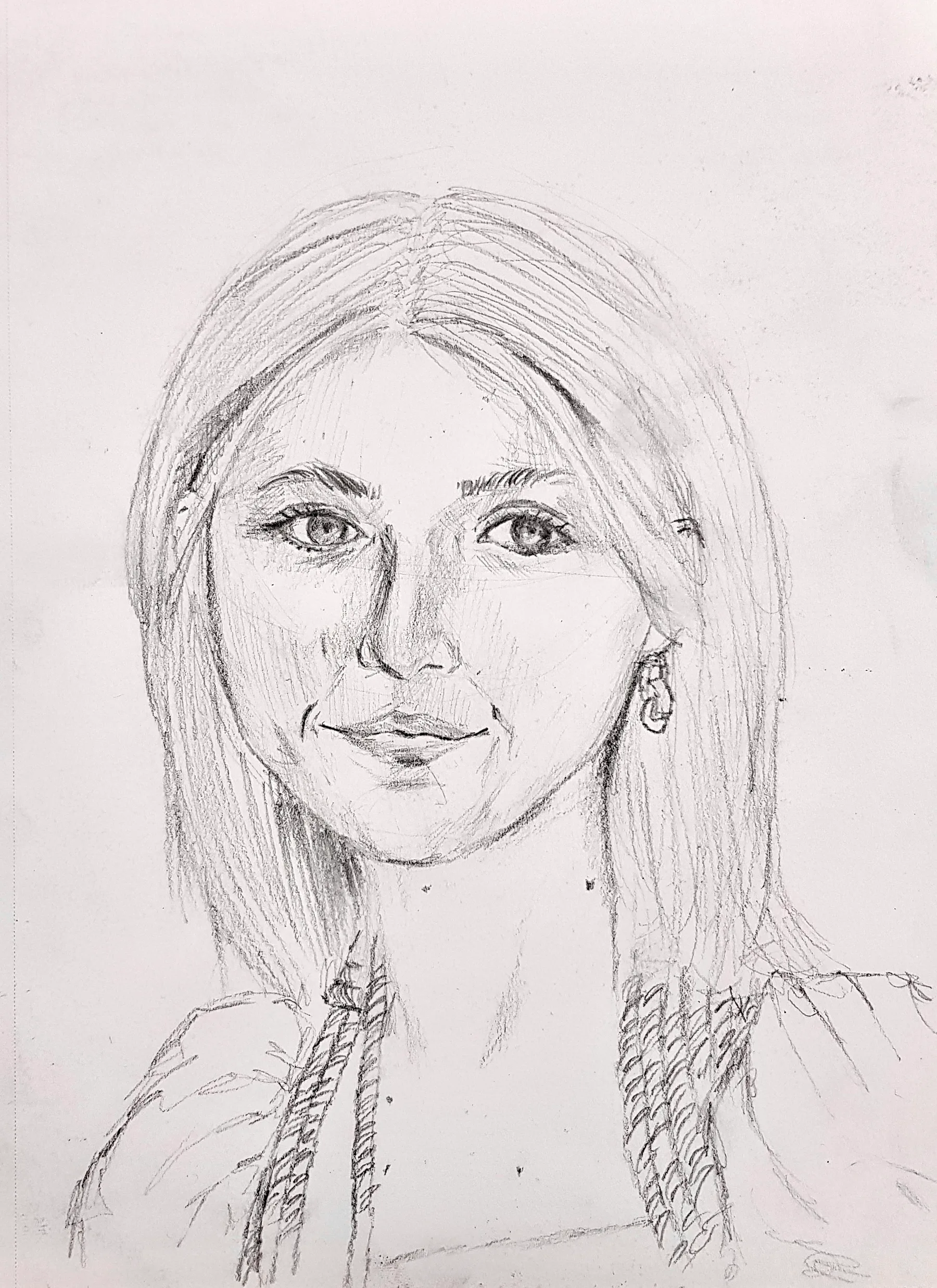
Project 04 — SELF-PORTRAIT
Project Overview
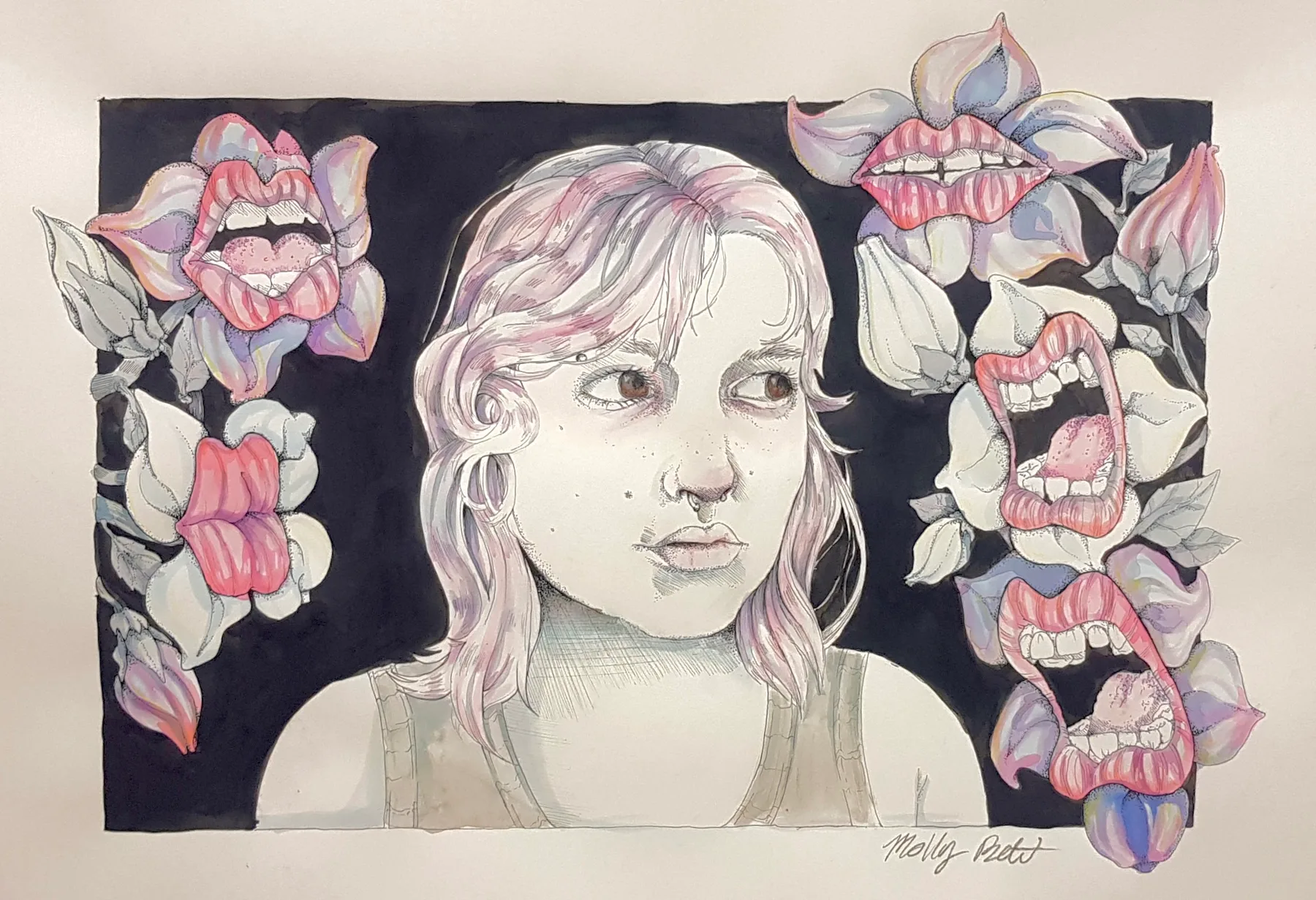
This project introduces students to portrait drawing through observation, facial structure, and self-representation. Students begin by studying facial proportions and analyzing how different artists approach portraiture and self-portraiture. Through drawing exercises based on visual references, they develop an understanding of facial features, proportion, and expression. For the final project, students create a self-portrait using a medium of their choice, combining observational skills with their own individual approach to representation.
Key Concepts
Facial Structure · Proportion · Observation · Portraiture · Identity · Self-Expression
Media
Graphite Pencil · Charcoal · Pastel · Fineliner
Student Work
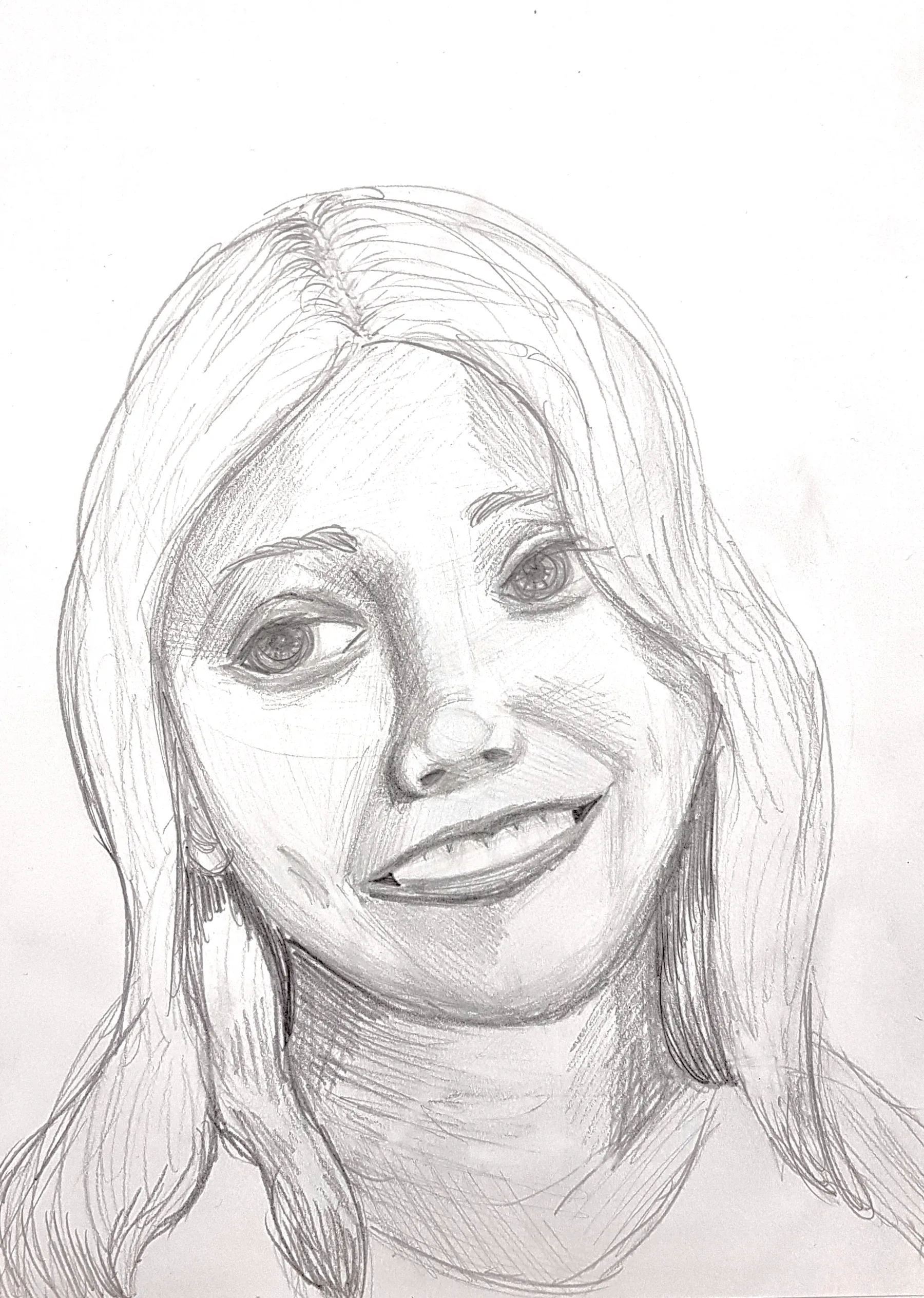
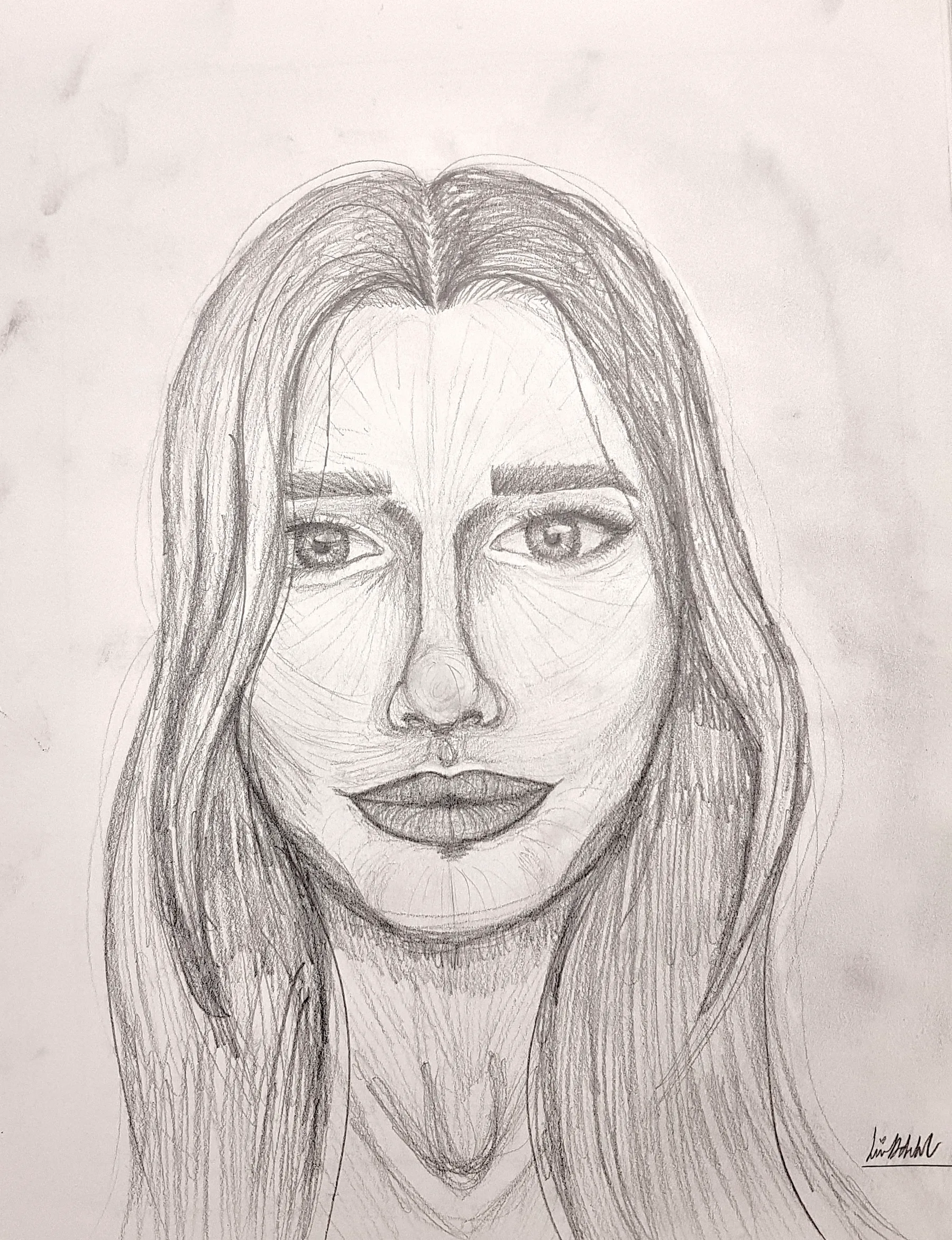
Project 05 — FINAL PROJECT
Project Overview
The final project was designed as a synthesis of the skills, materials, and concepts students explored throughout the semester. Students were challenged to combine observation, composition, perspective, value, material exploration, and visual storytelling within a more independent and imaginative drawing. Two different final project prompts were developed for the two course sections, allowing students to apply their accumulated skills through distinct creative challenges. Each project emphasized individual decision-making, experimentation, and the integration of technical skills with personal visual expression.
Media
Student-Selected Media: Graphite · Charcoal · Pastel · Ink · Mixed Drawing Media
Still Life in Space — Spring 2026
Students were invited to imagine themselves stepping into a world inspired by Alice in Wonderland, where reality could be transformed and the impossible made possible. They developed an original scene through written scenarios, thumbnail sketches, composition studies, and material experimentation before completing their final drawing. The project challenged students to combine perspective, depth, composition, detail, storytelling, and imagination while selecting materials that best supported their individual ideas.
Student Work
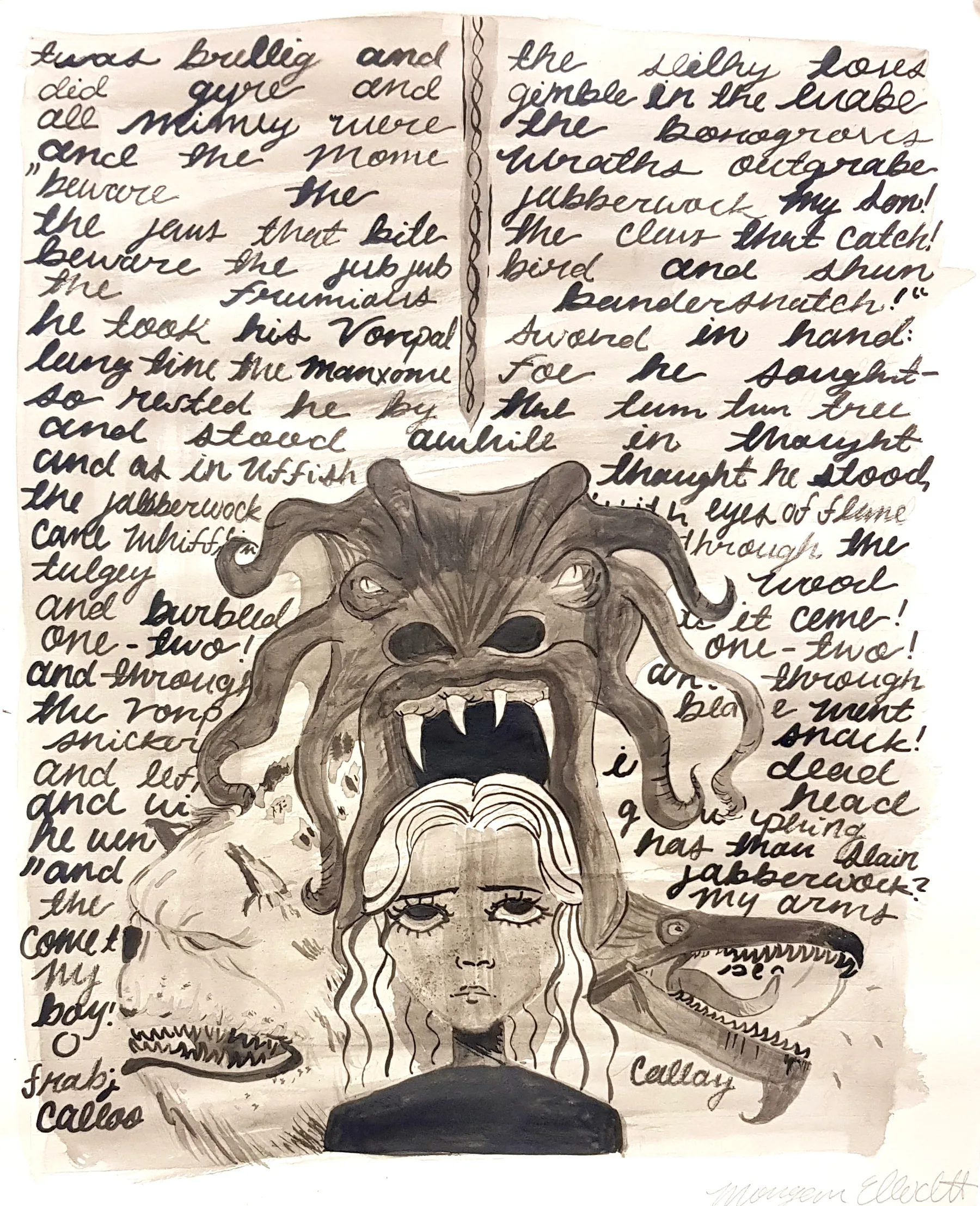
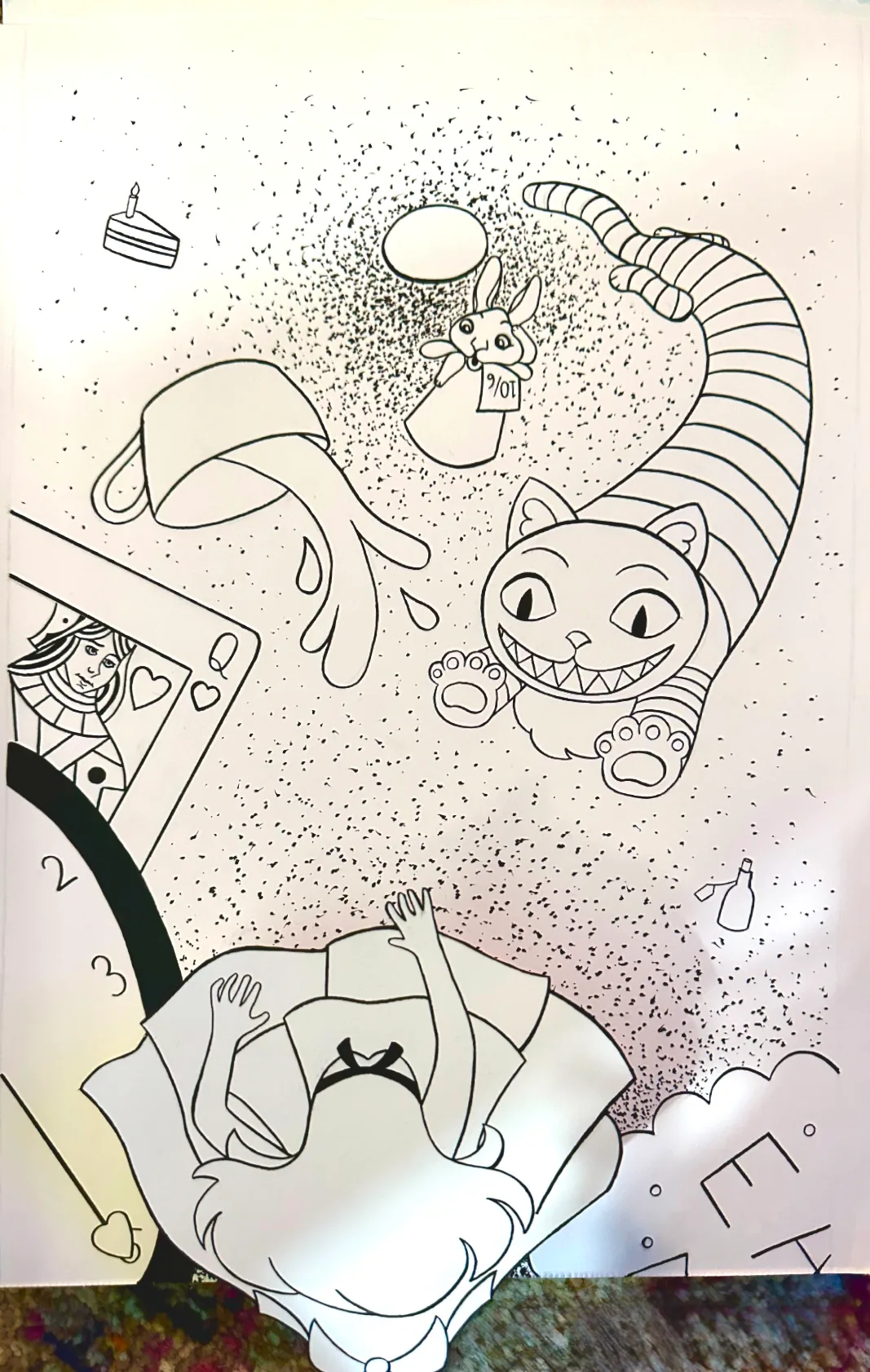
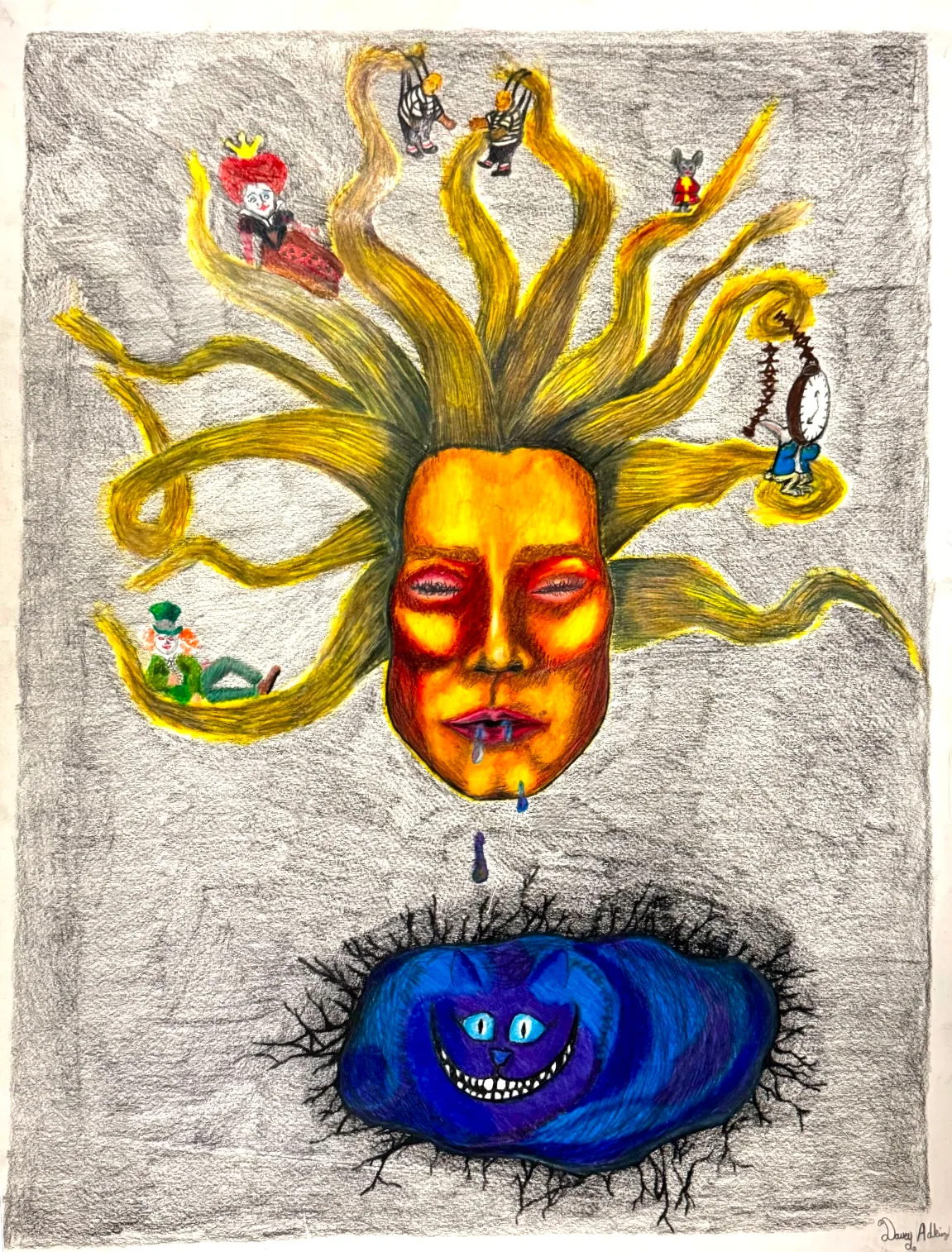
WONDERLAND — Fall 2024
Students were invited to imagine themselves stepping into a world inspired by Alice in Wonderland, where reality could be transformed and the impossible made possible. They developed an original scene through written scenarios, thumbnail sketches, composition studies, and material experimentation before completing their final drawing. The project challenged students to combine perspective, depth, composition, detail, storytelling, and imagination while selecting materials that best supported their individual ideas.
Student Work
Critique as a Learning Process
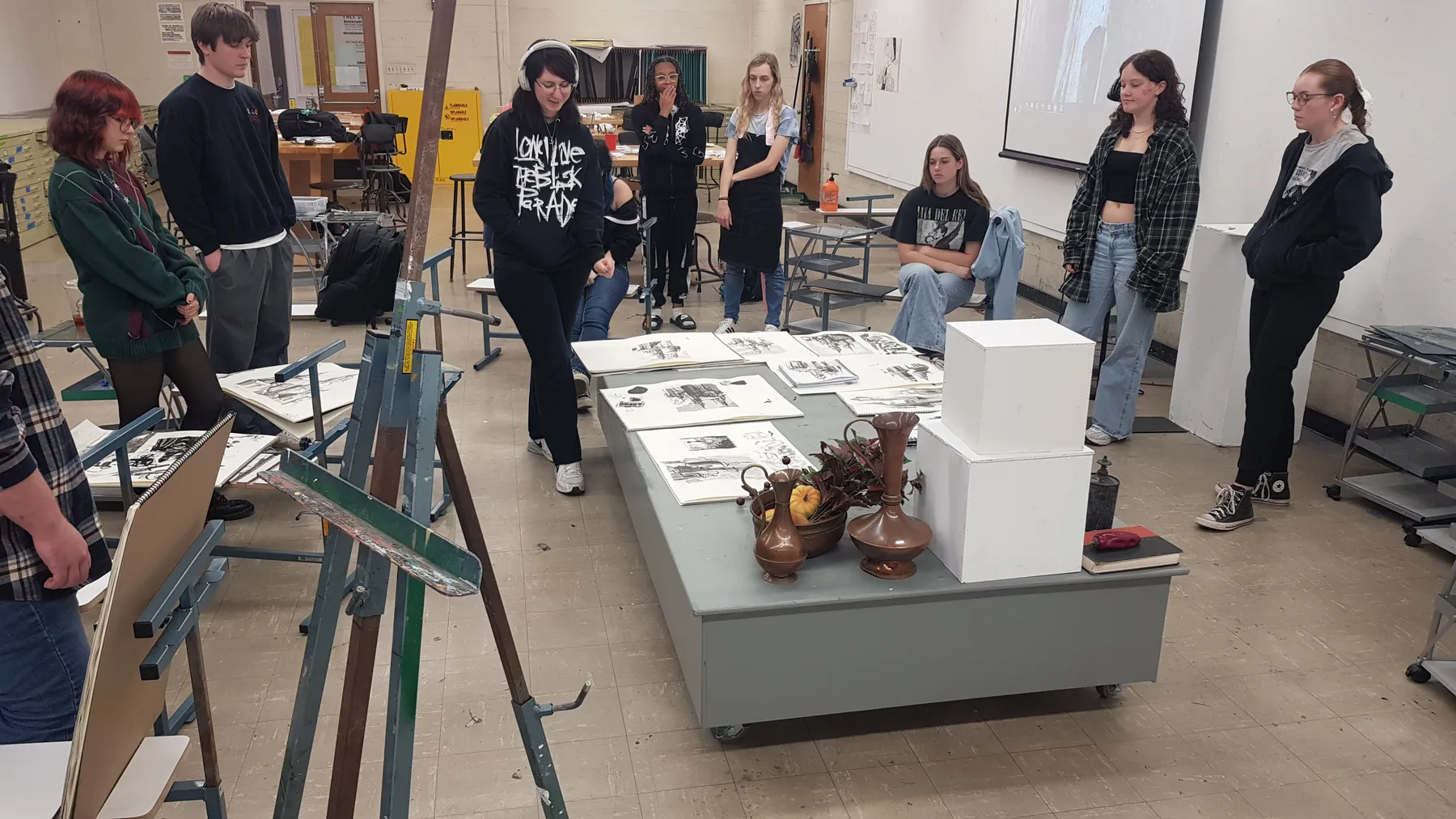
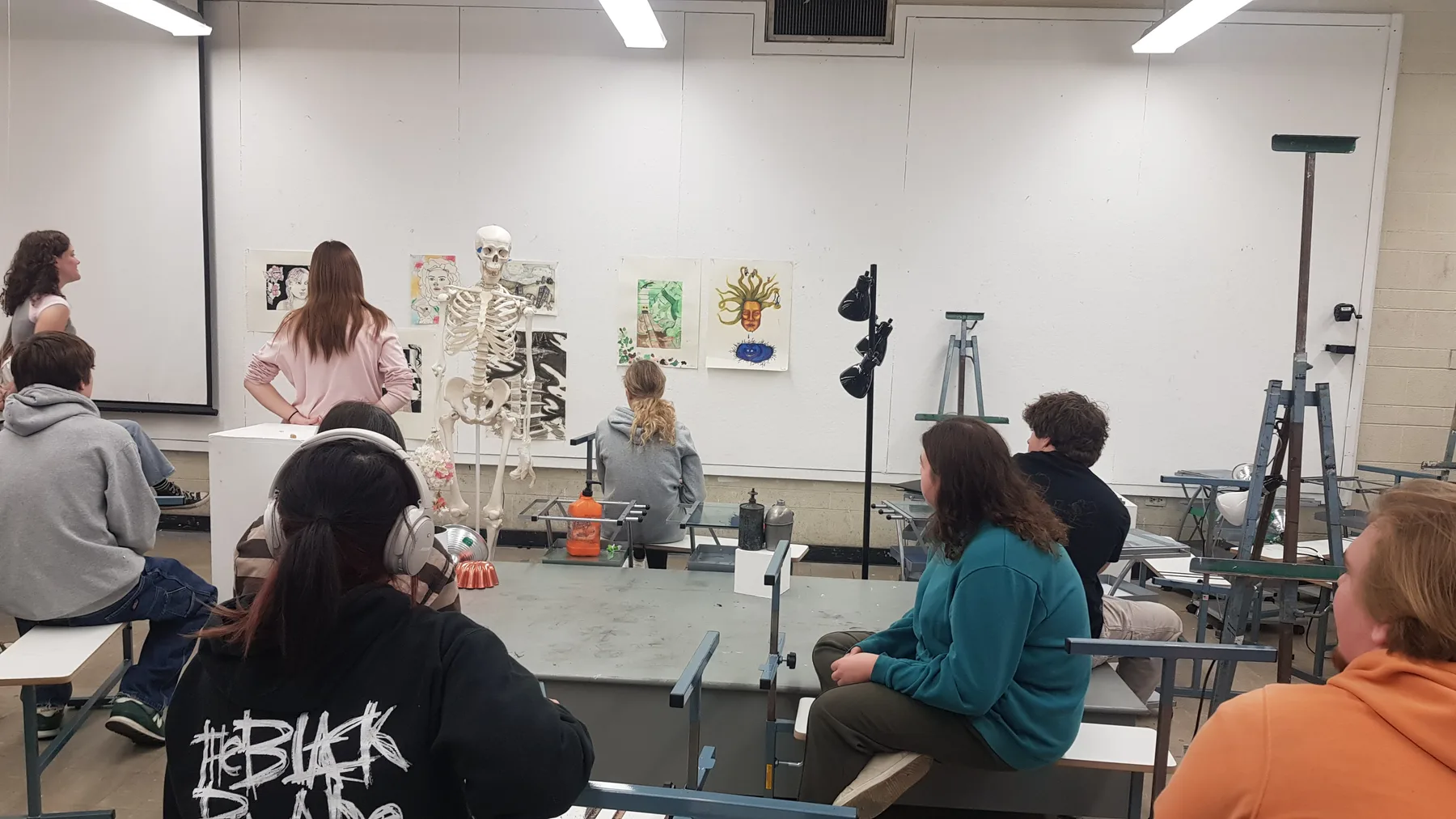
Critique was integrated into the course as both a learned skill and a recurring part of the studio process. Students were introduced to a structured approach to critique, beginning with careful observation and identification of the medium, composition, and visual elements before moving into interpretation and discussion. They considered the emotional impact of the work, identified successful visual decisions, and discussed possibilities for further development.
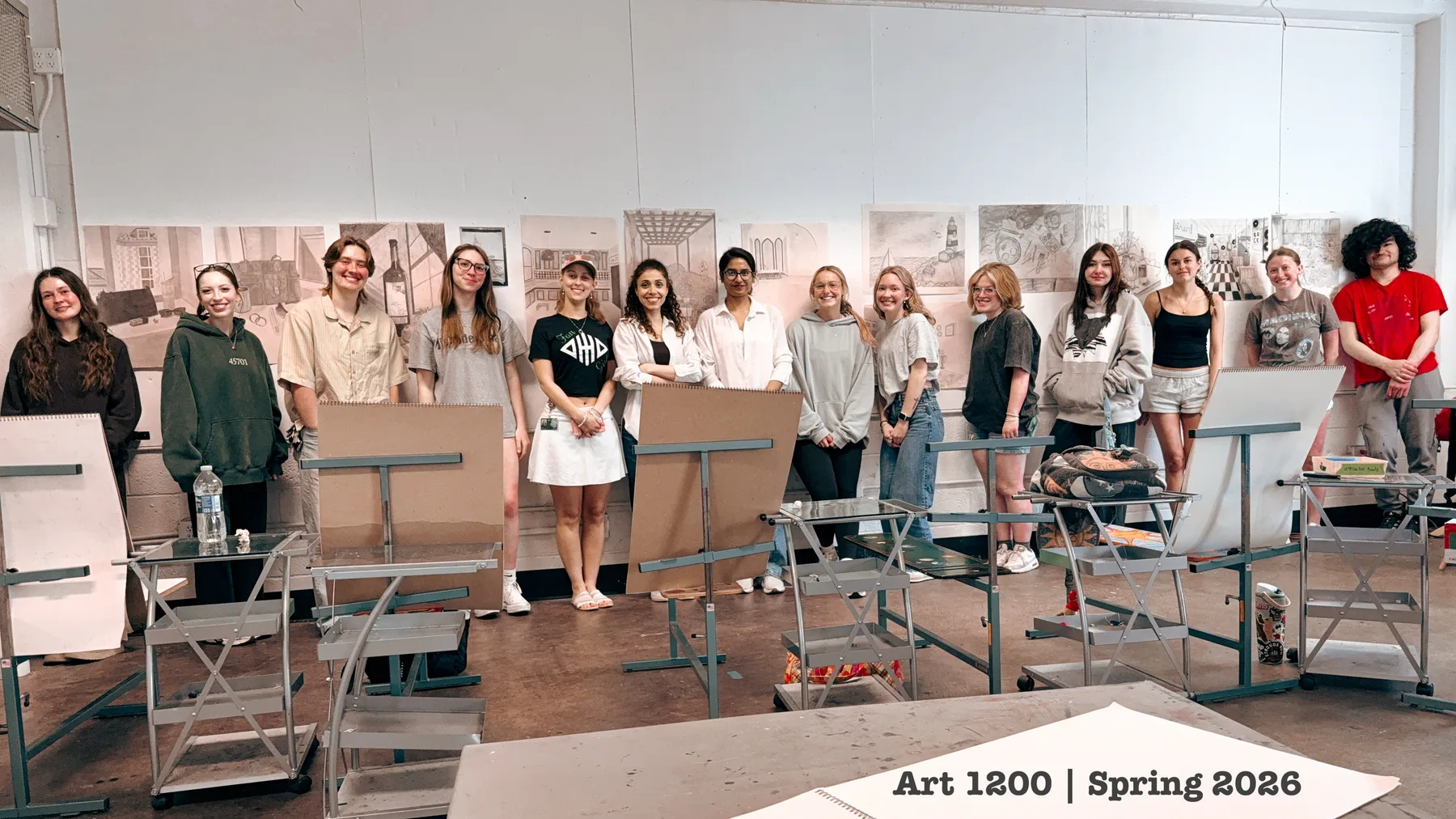
At the conclusion of each project, student work was displayed for a group critique. Each student was encouraged to briefly respond to the work of their peers, creating an open discussion around different approaches and outcomes. The course concluded with a final critique in which all students participated, presented their work, and reflected on the projects developed throughout the semester.
Art 1230: Structure + Space — CARDBOARD CHAIR
Workshop Overview
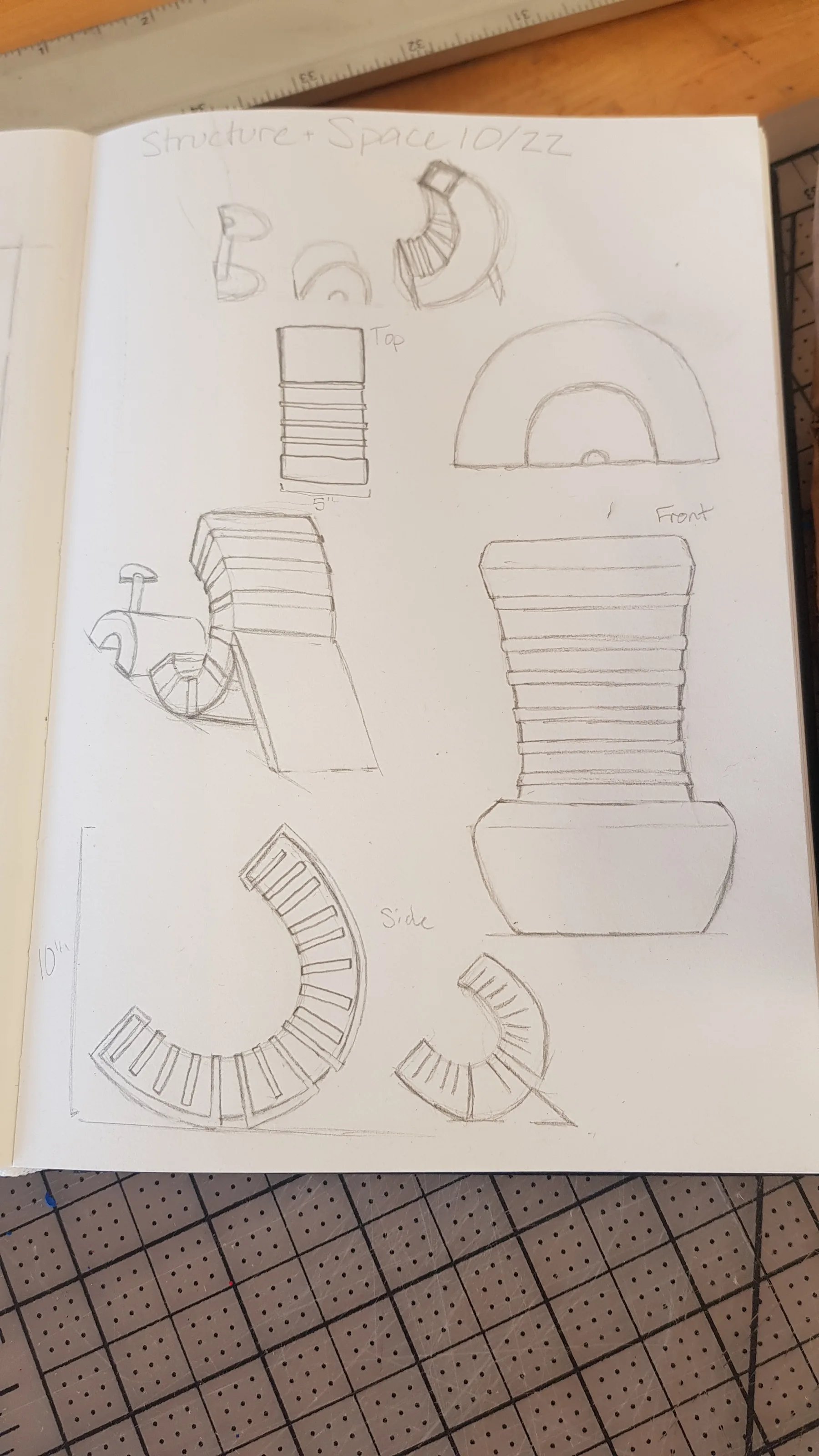
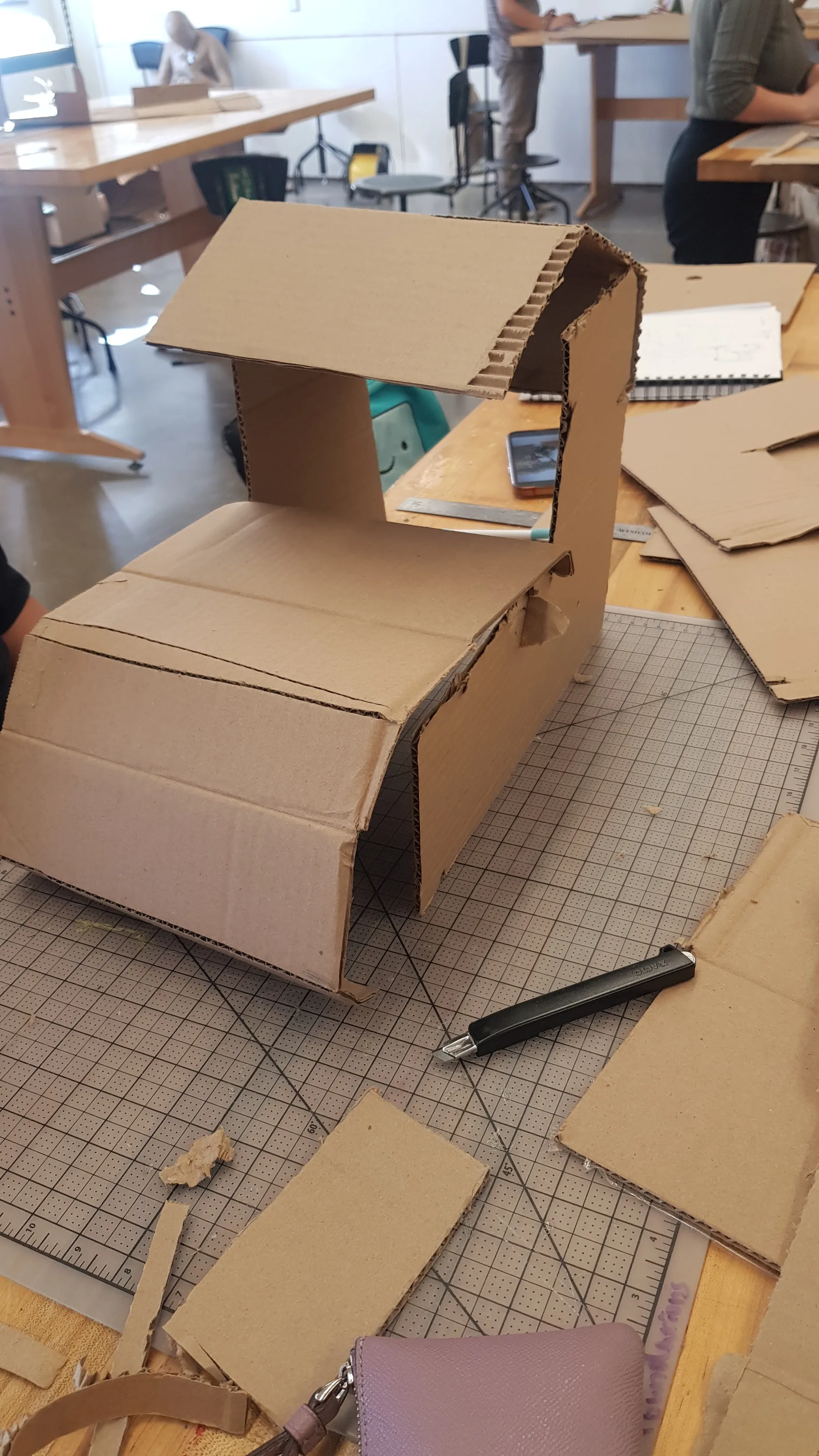
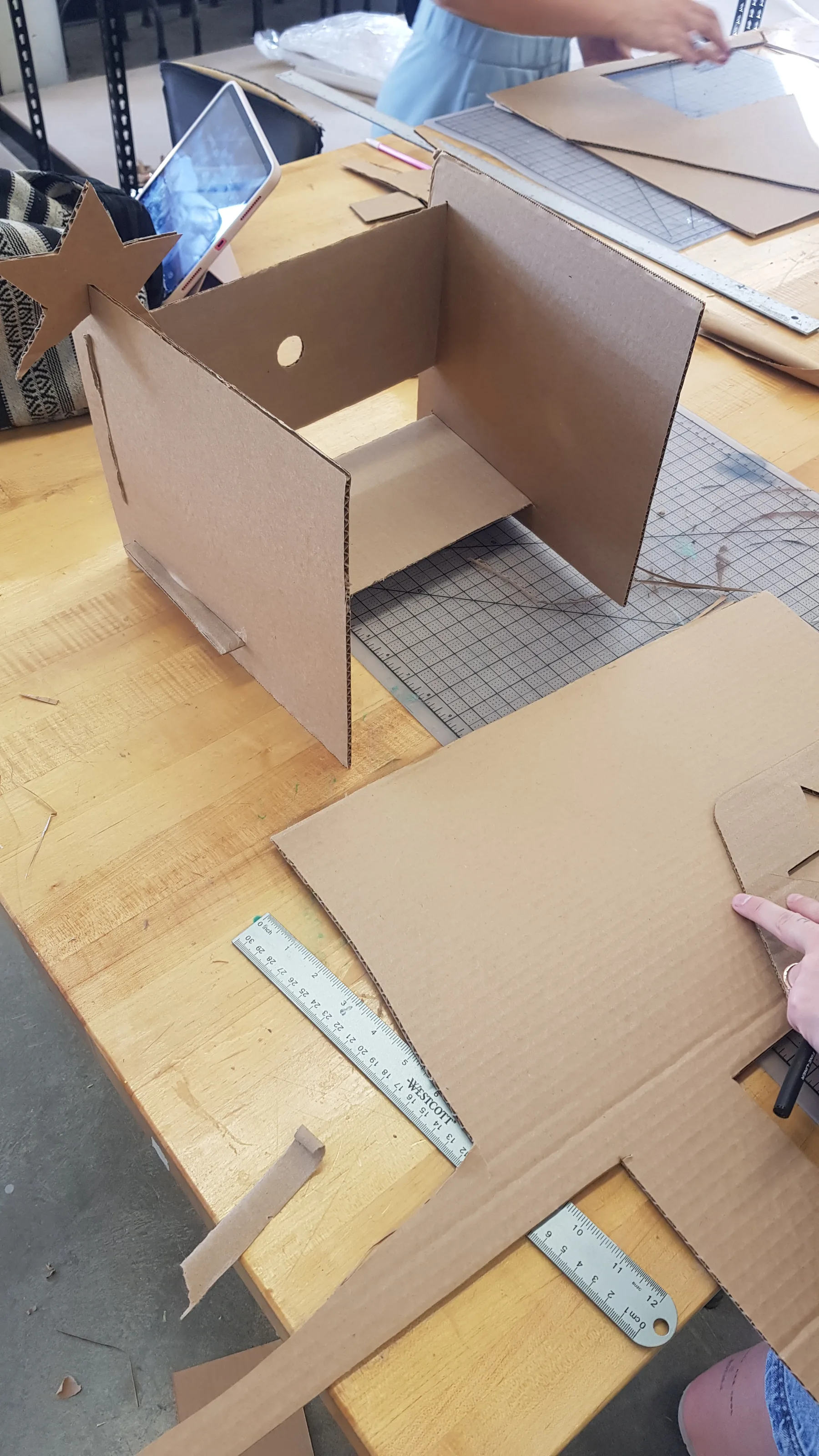
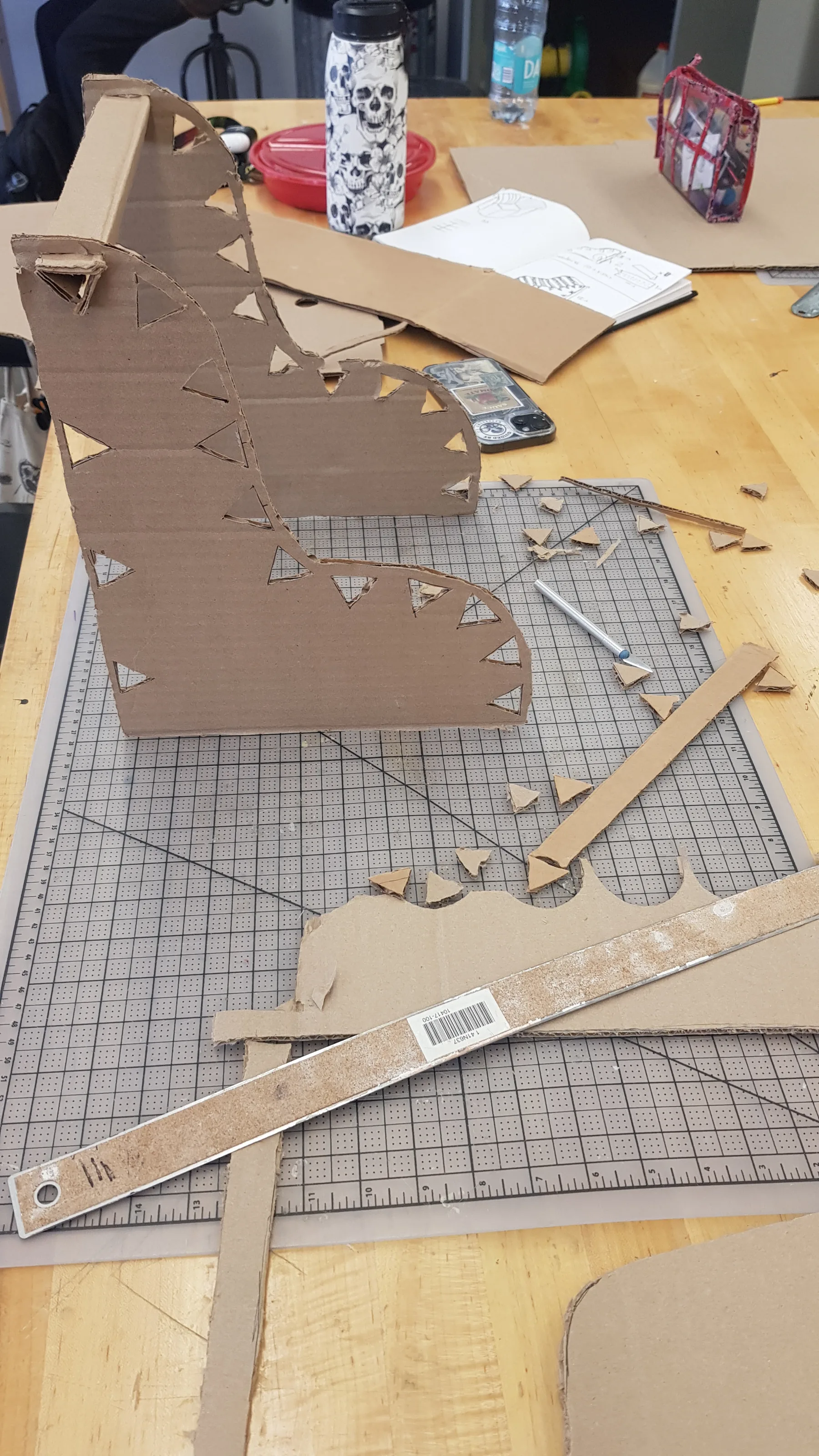
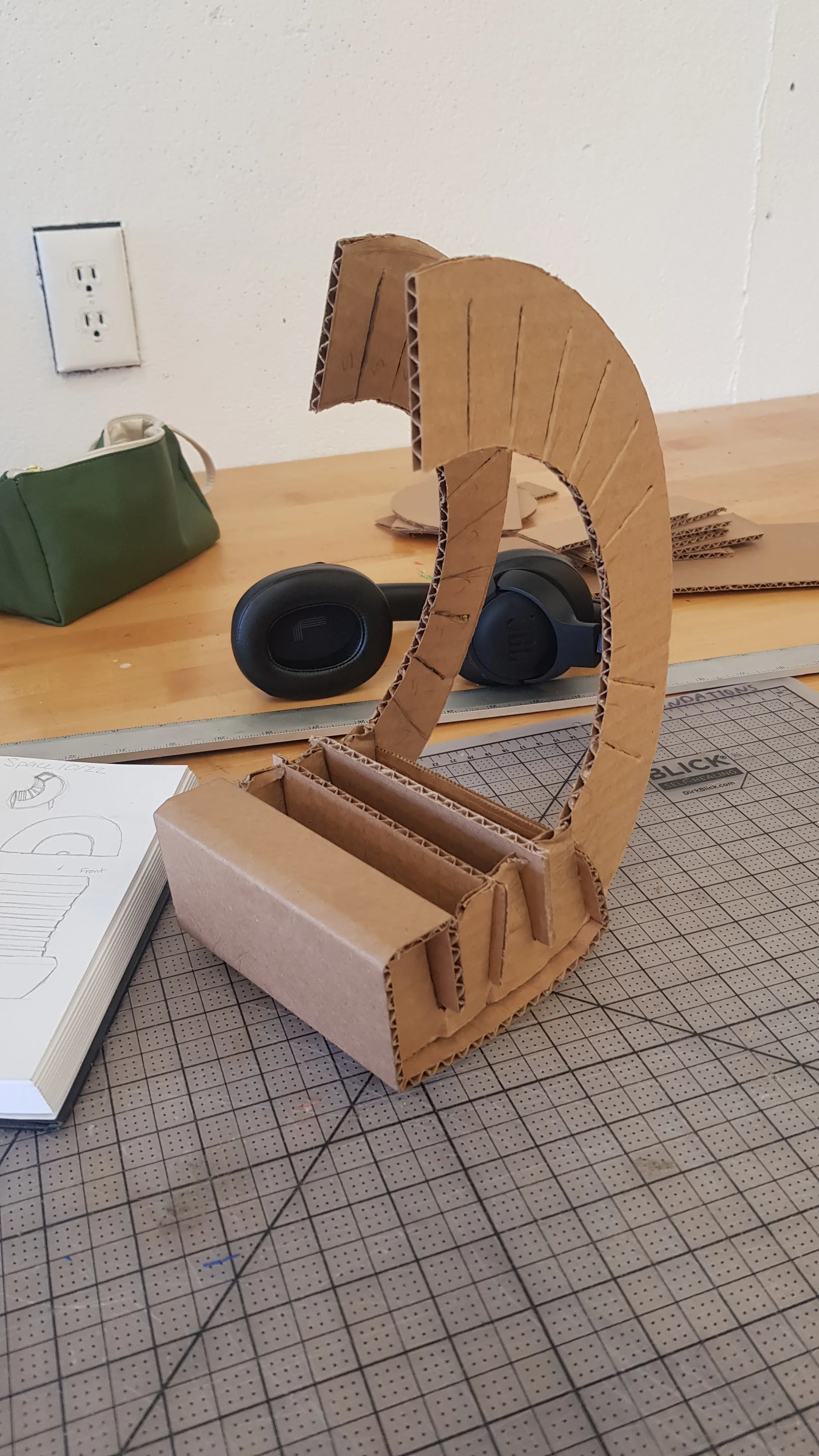
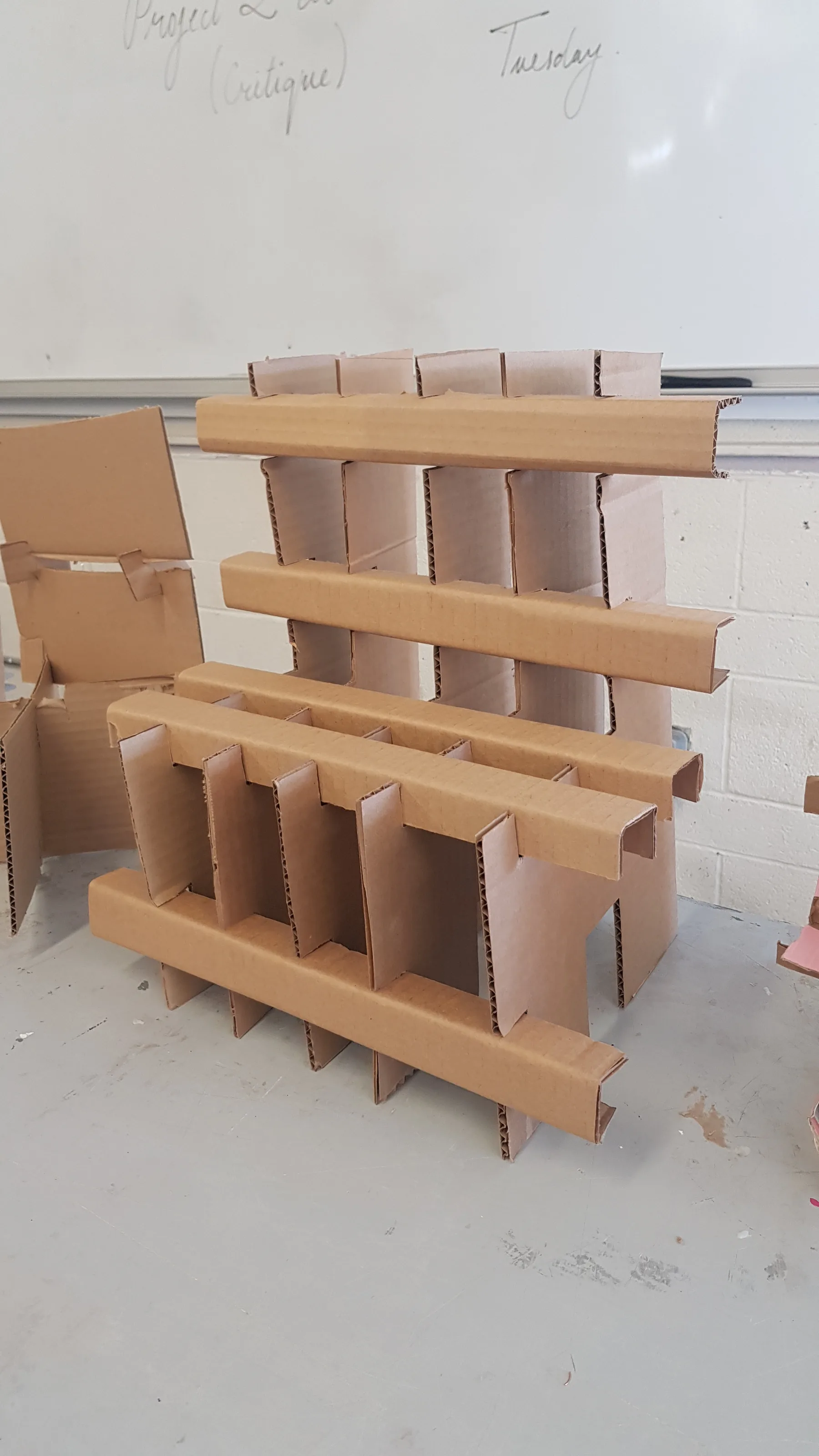
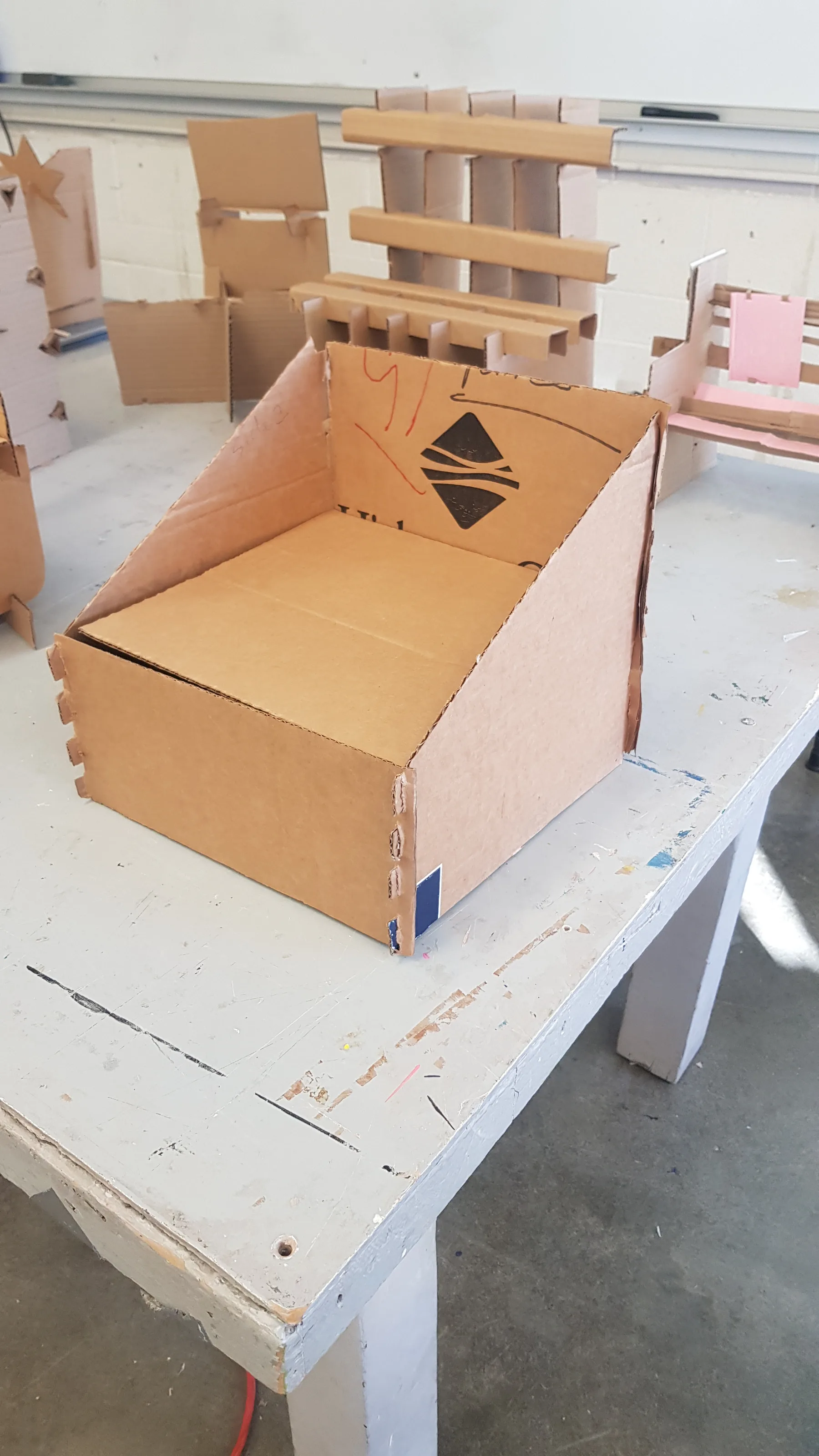
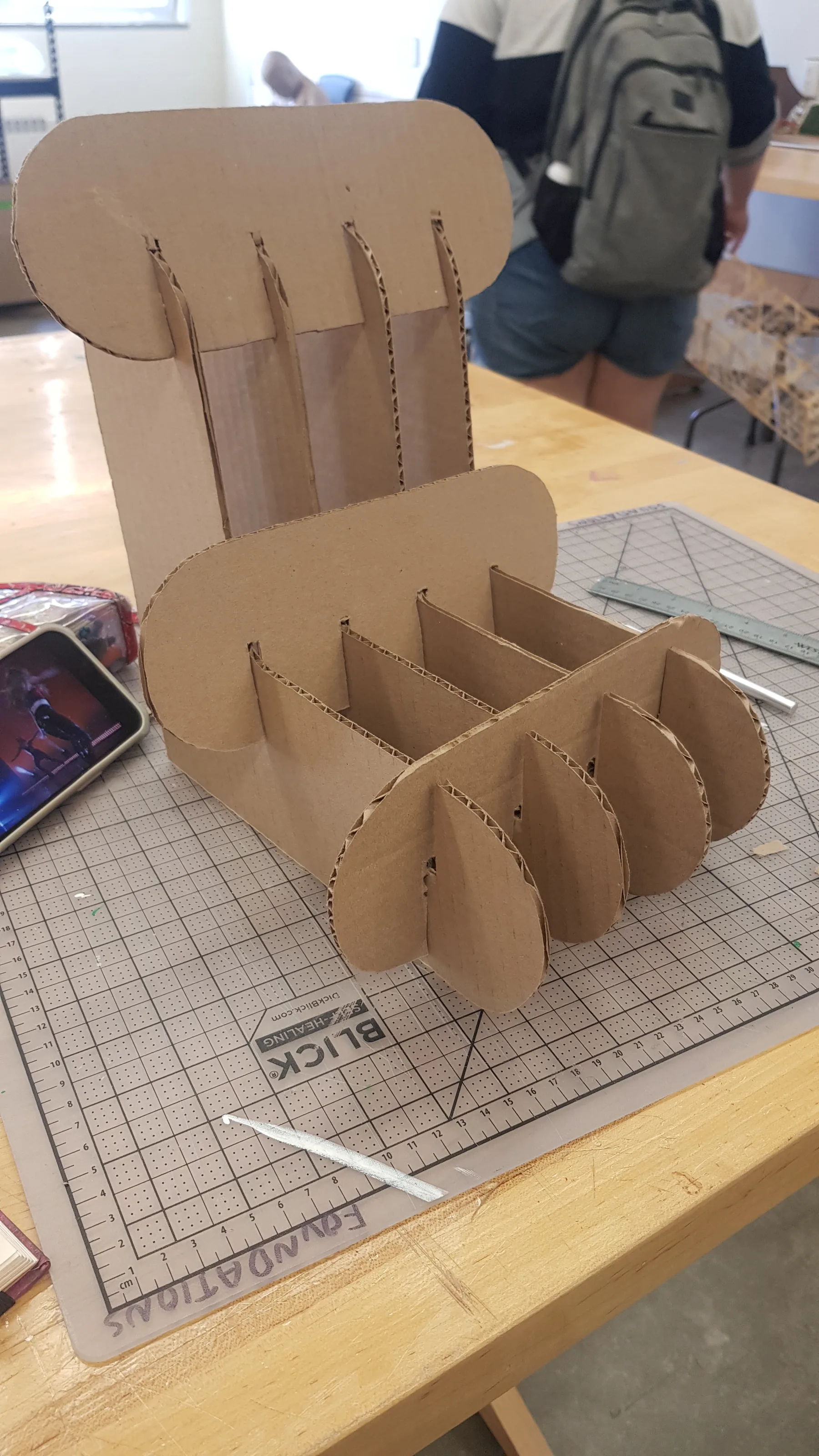
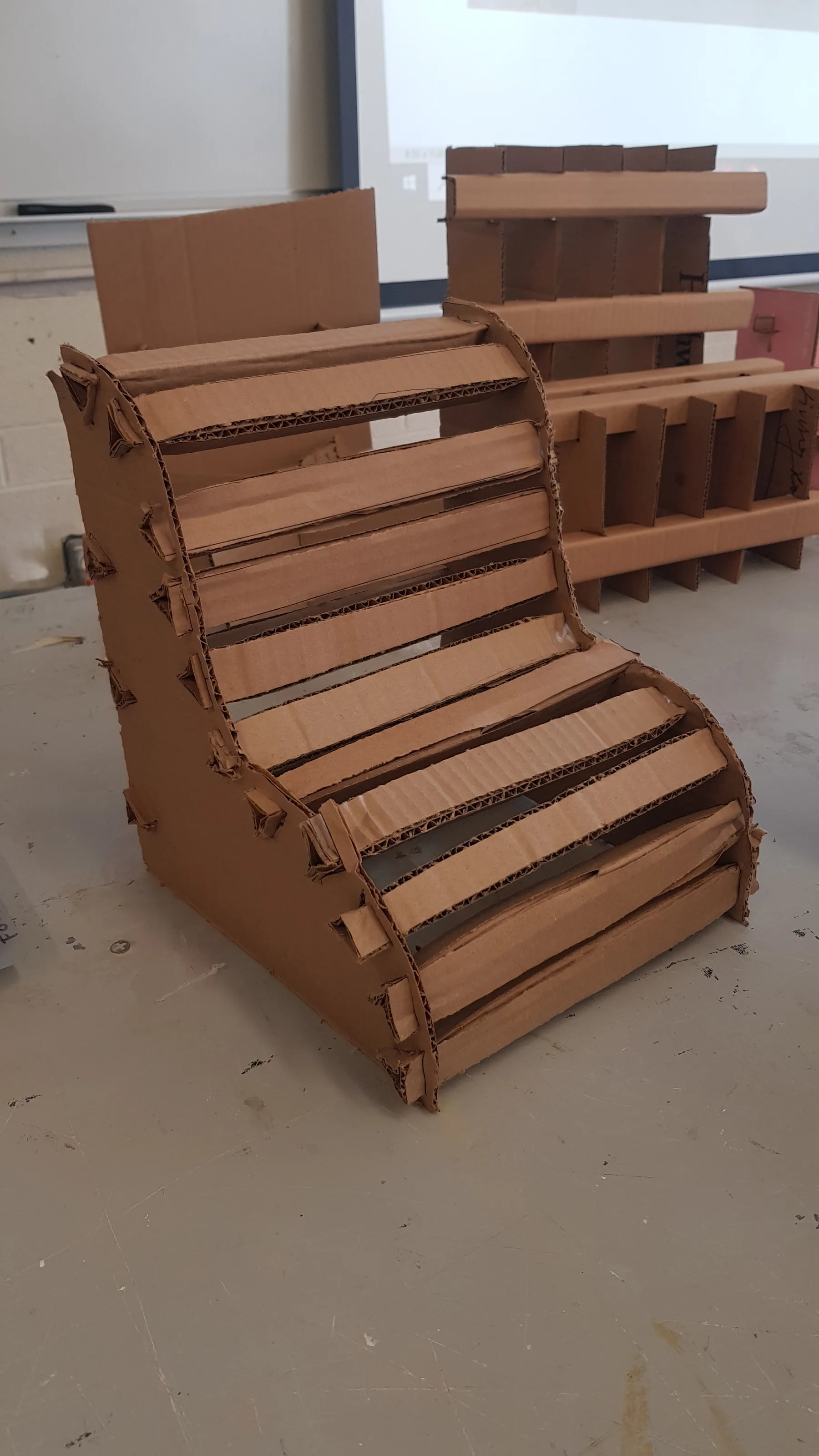
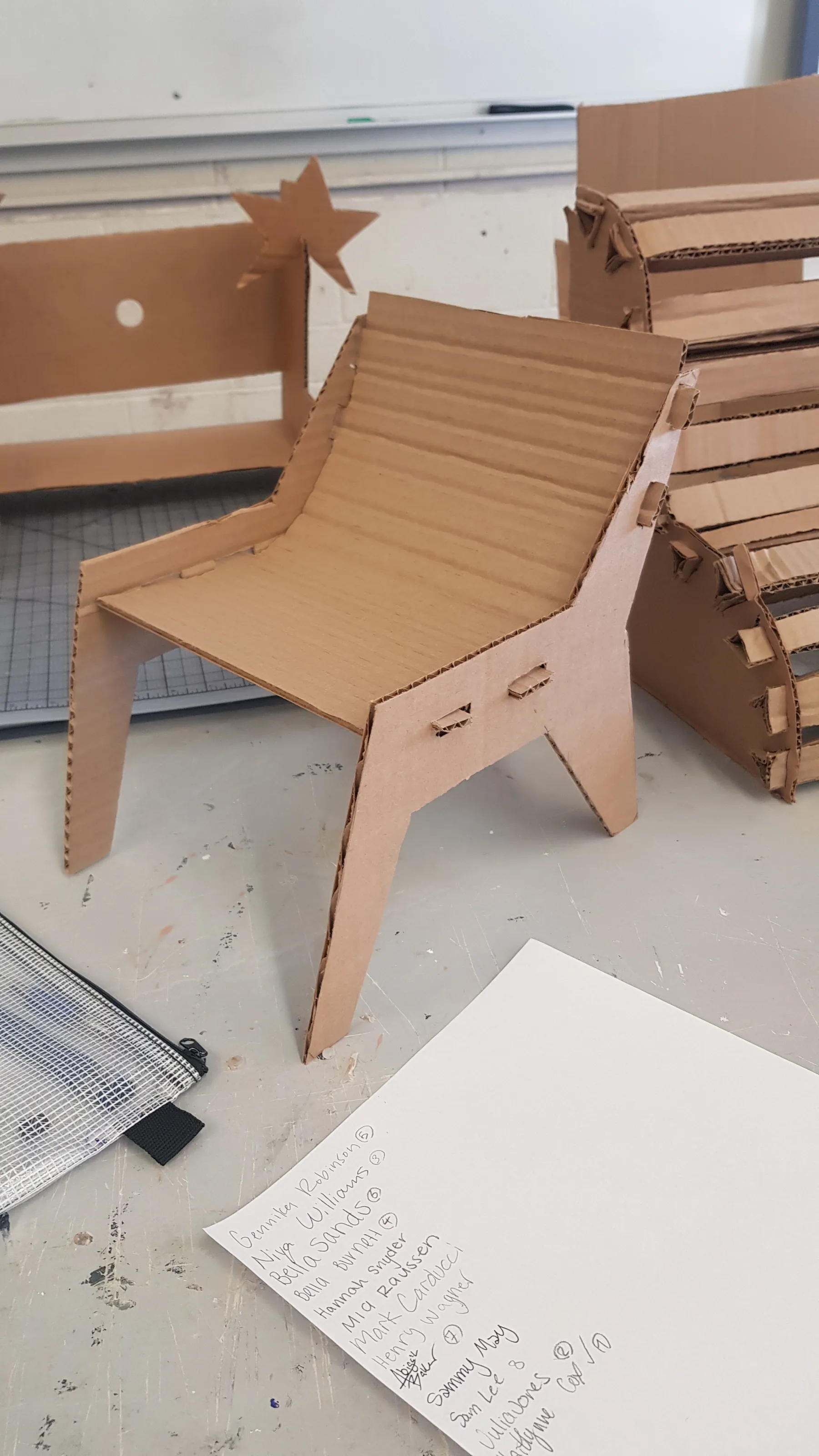
This one-day workshop challenged students to explore structure and space through the design and construction of a functional cardboard chair model. Working within the constraint of using cardboard without glue or additional fastening materials, students moved from research and ideation to sketching, technical development, and hands-on construction. The workshop emphasized balance, stability, proportion, joinery, craftsmanship, and creative problem-solving while encouraging students to translate a two-dimensional design concept into a three-dimensional object.
Key Concepts
Structure · Space · Stability · Proportion · Joinery · Craftsmanship · Creative Problem-Solving
Materials
Cardboard · Paper · Pencil · Ruler · Cutting Tools
Process and Student Work
ART + DESIGN YOUTH SUMMER CAMP
Program Overview
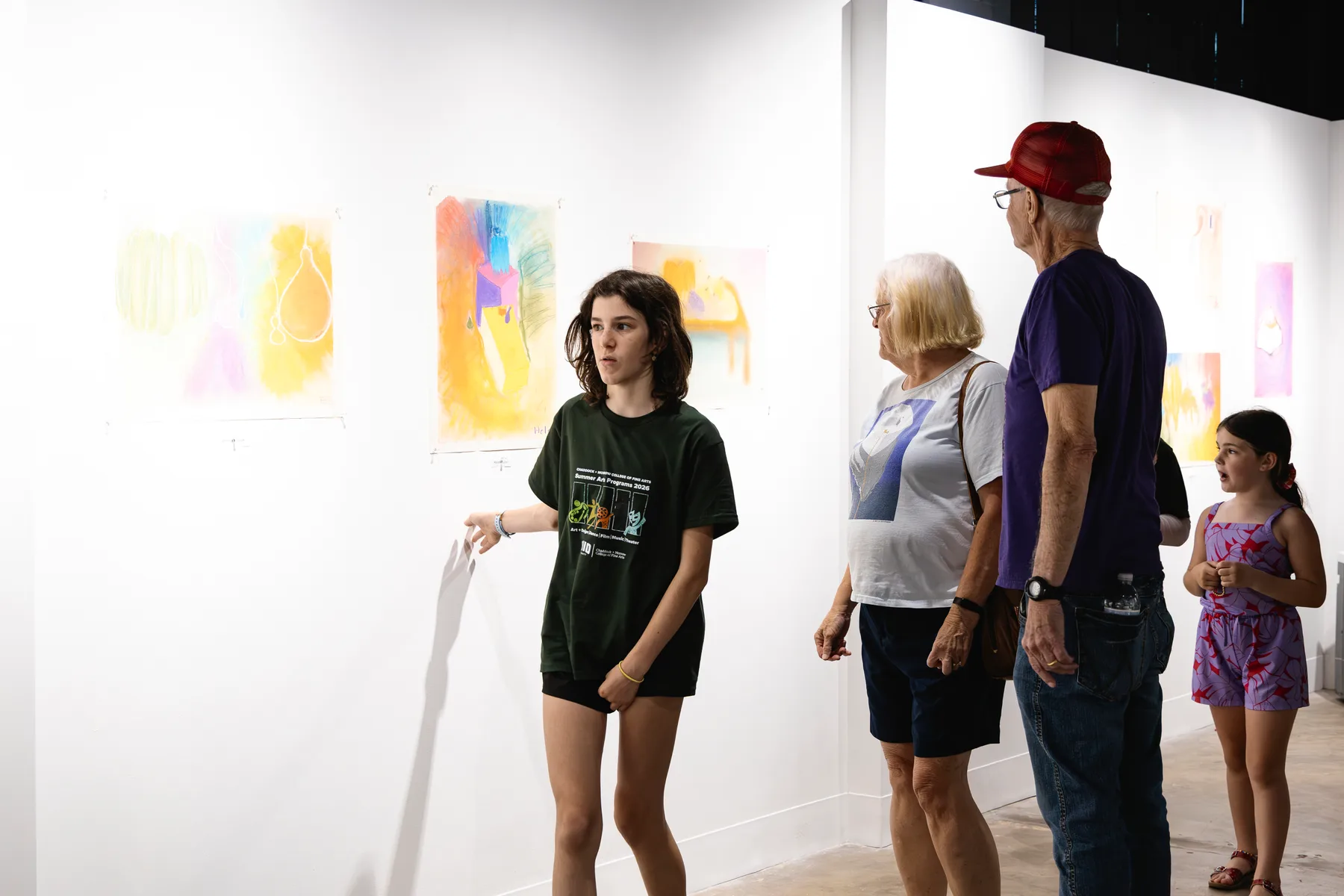
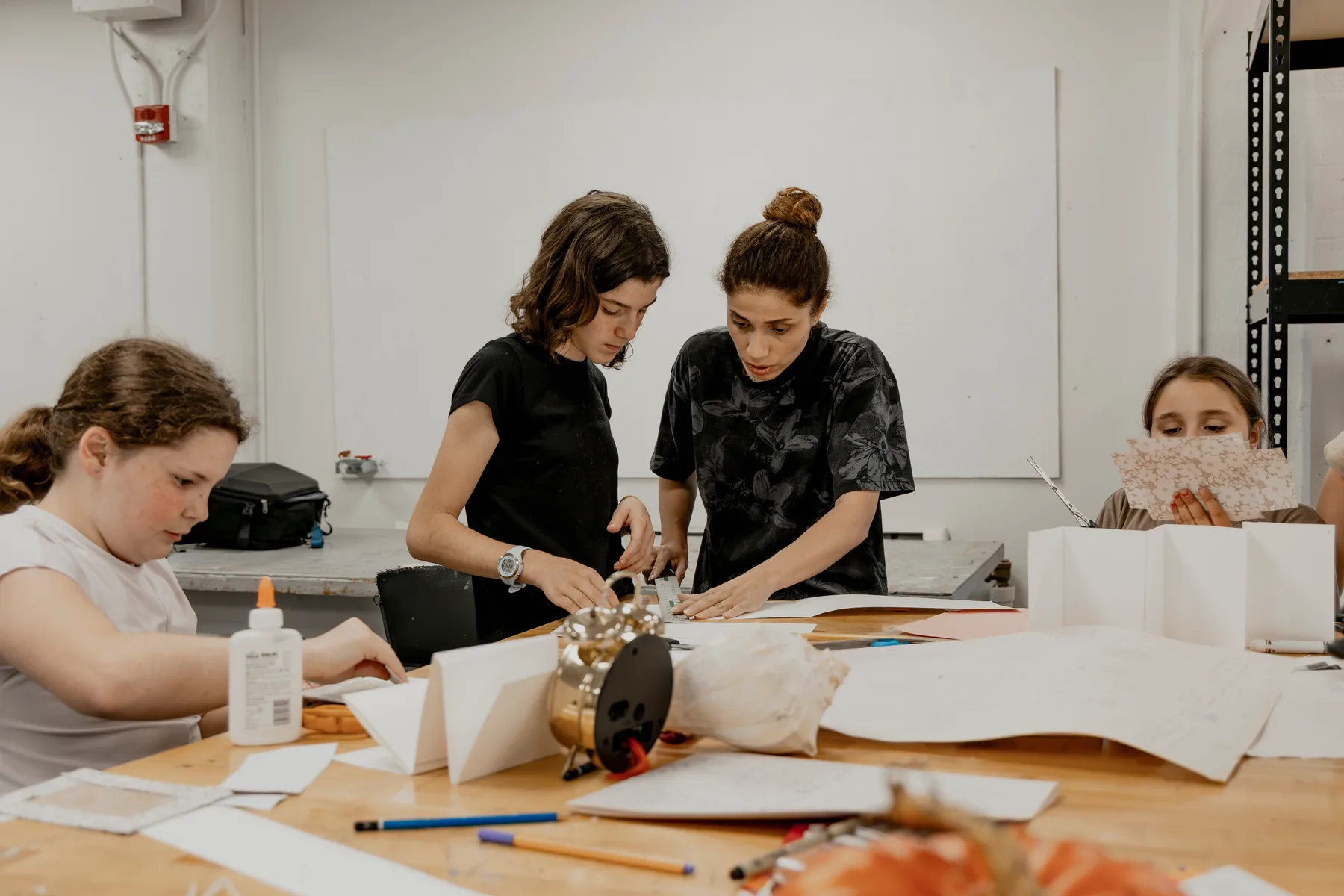
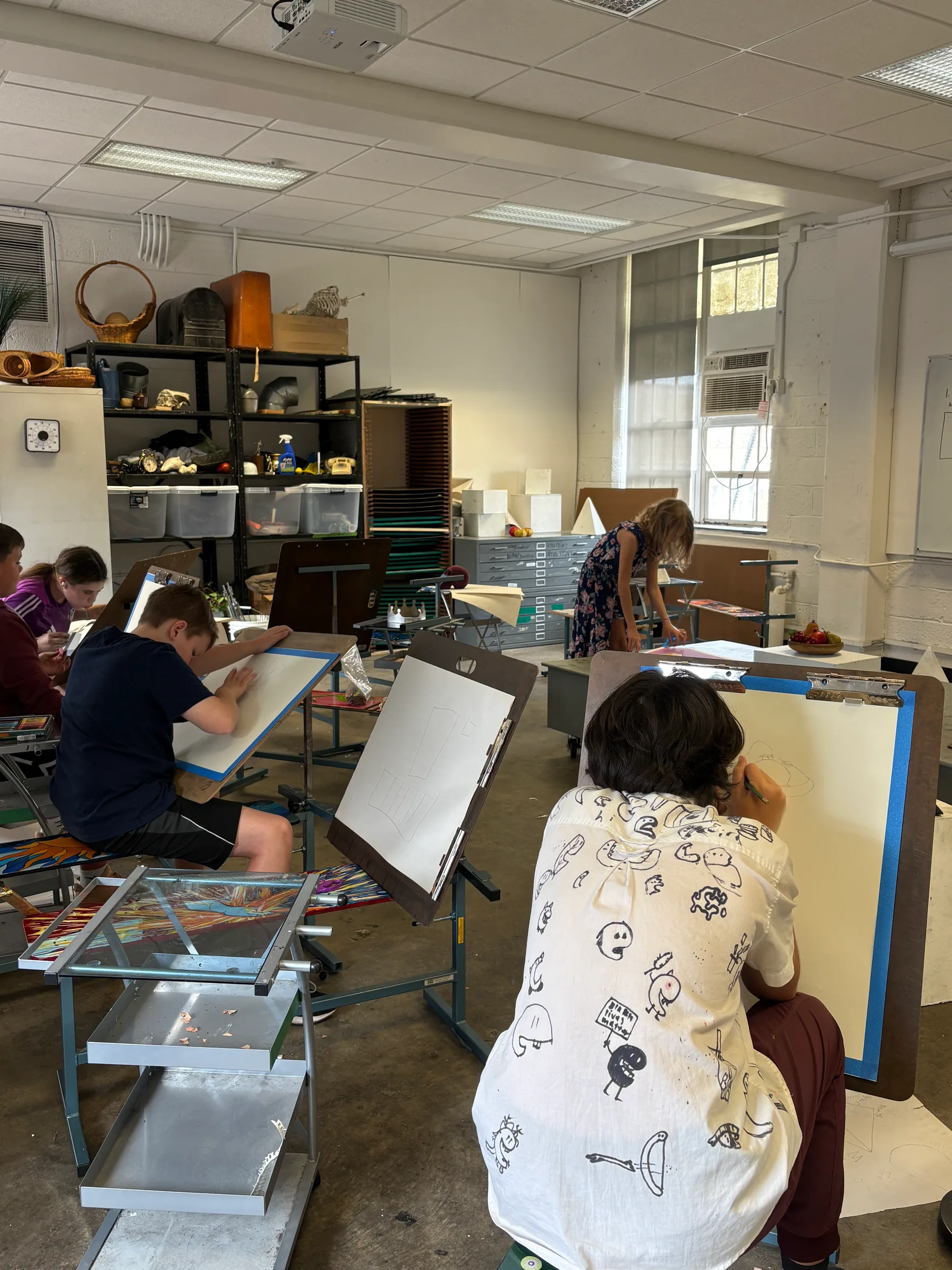
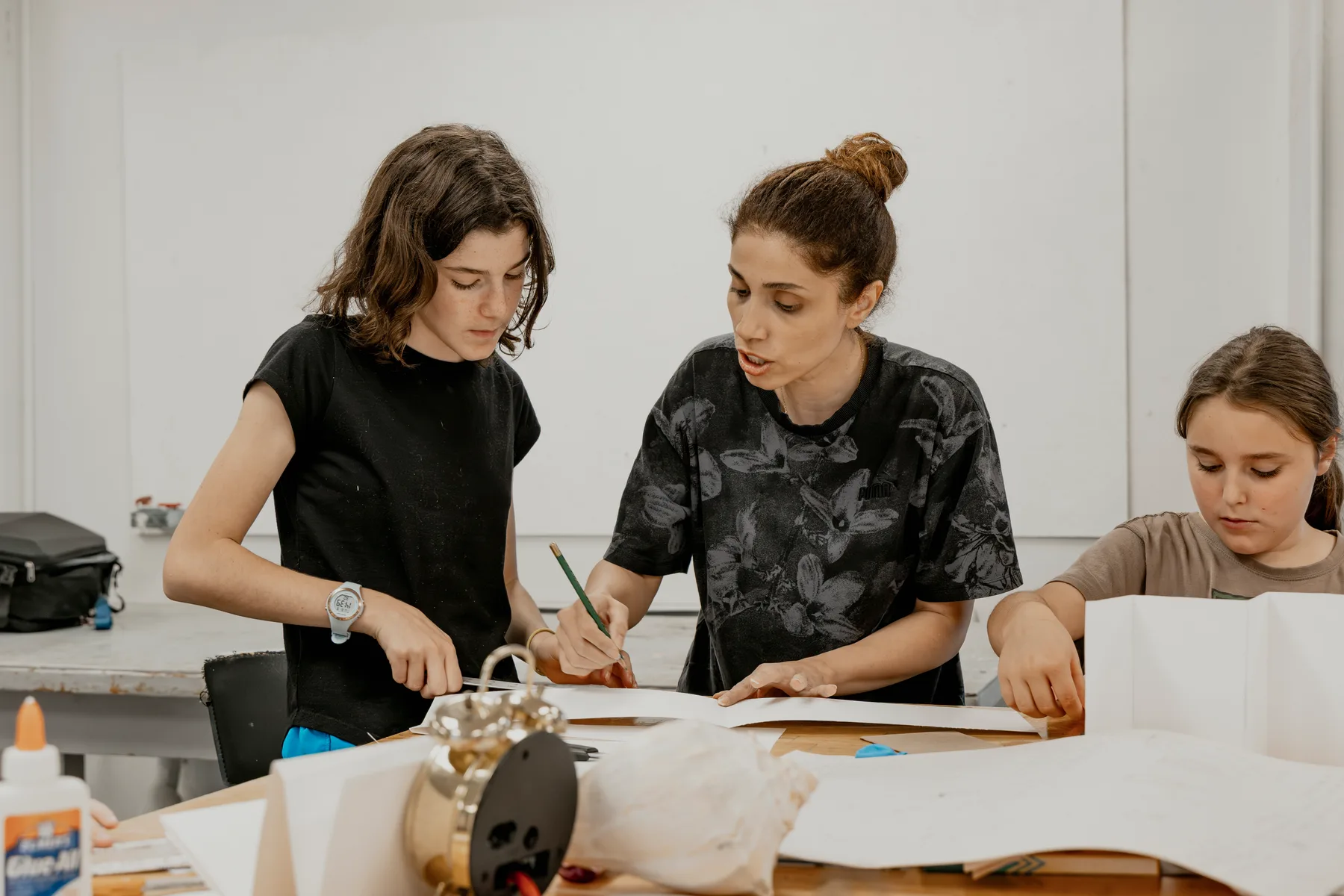
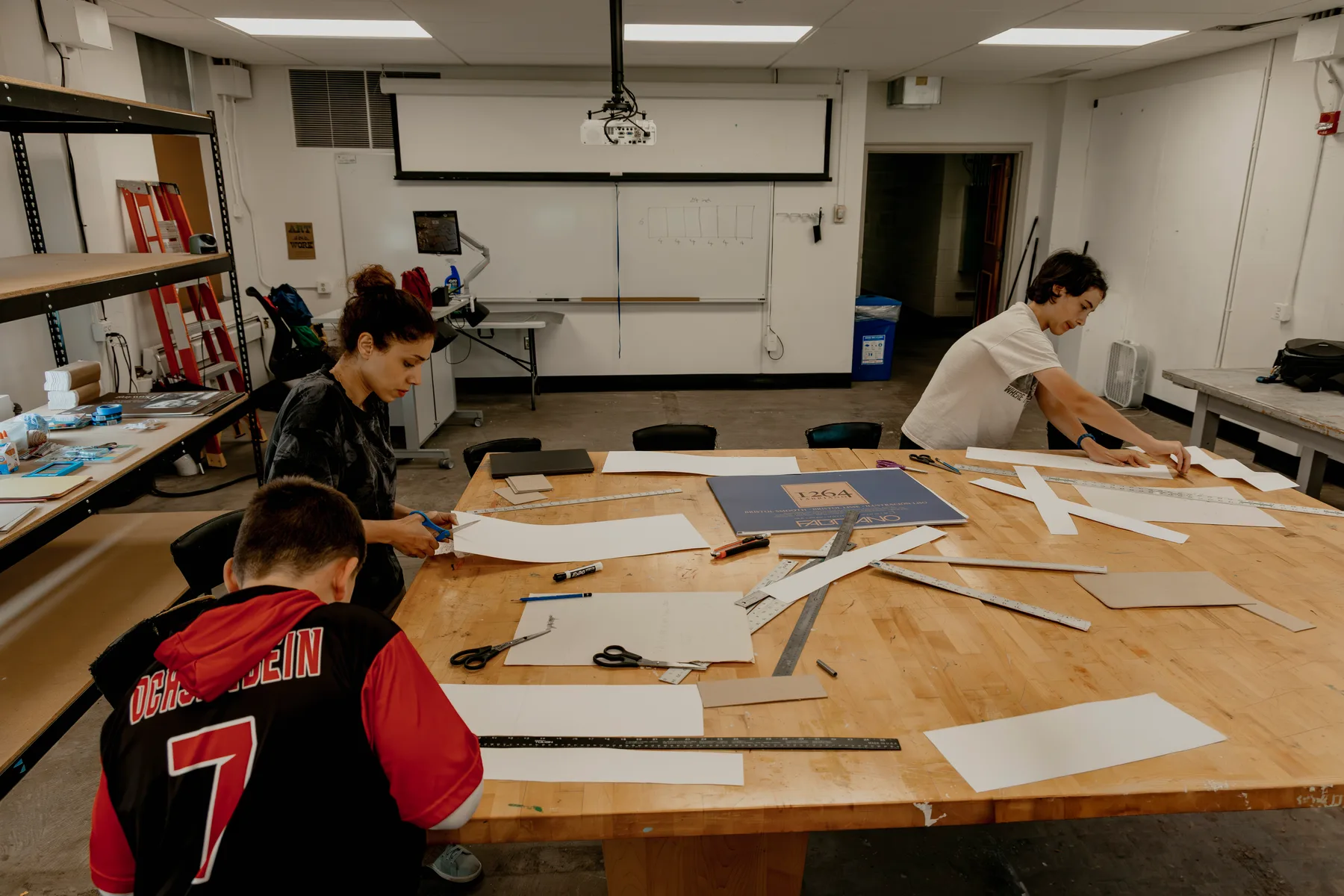
I designed and taught three hands-on art and design projects for students ages 8–14 during a one-week summer camp at Ohio University. The projects introduced students to observational drawing, creative interpretation, paper engineering, storytelling, and bookmaking through an exploratory studio environment. Each project combined foundational art and design skills with opportunities for experimentation and individual expression. The week concluded with a curated exhibition celebrating the students’ creative process and final work.
Project 01 — CREATIVE STILL LIFE DRAWING
Project Overview
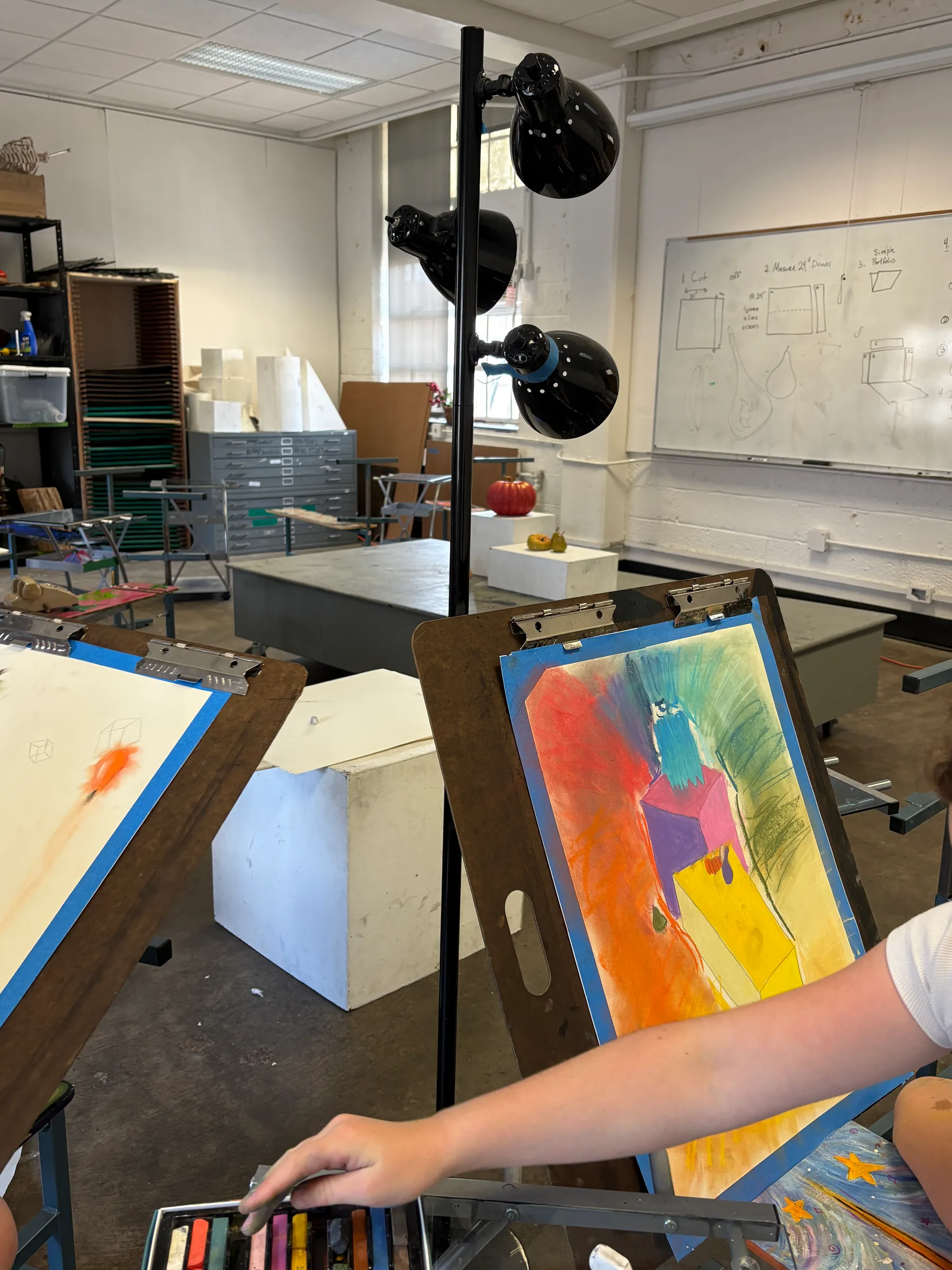
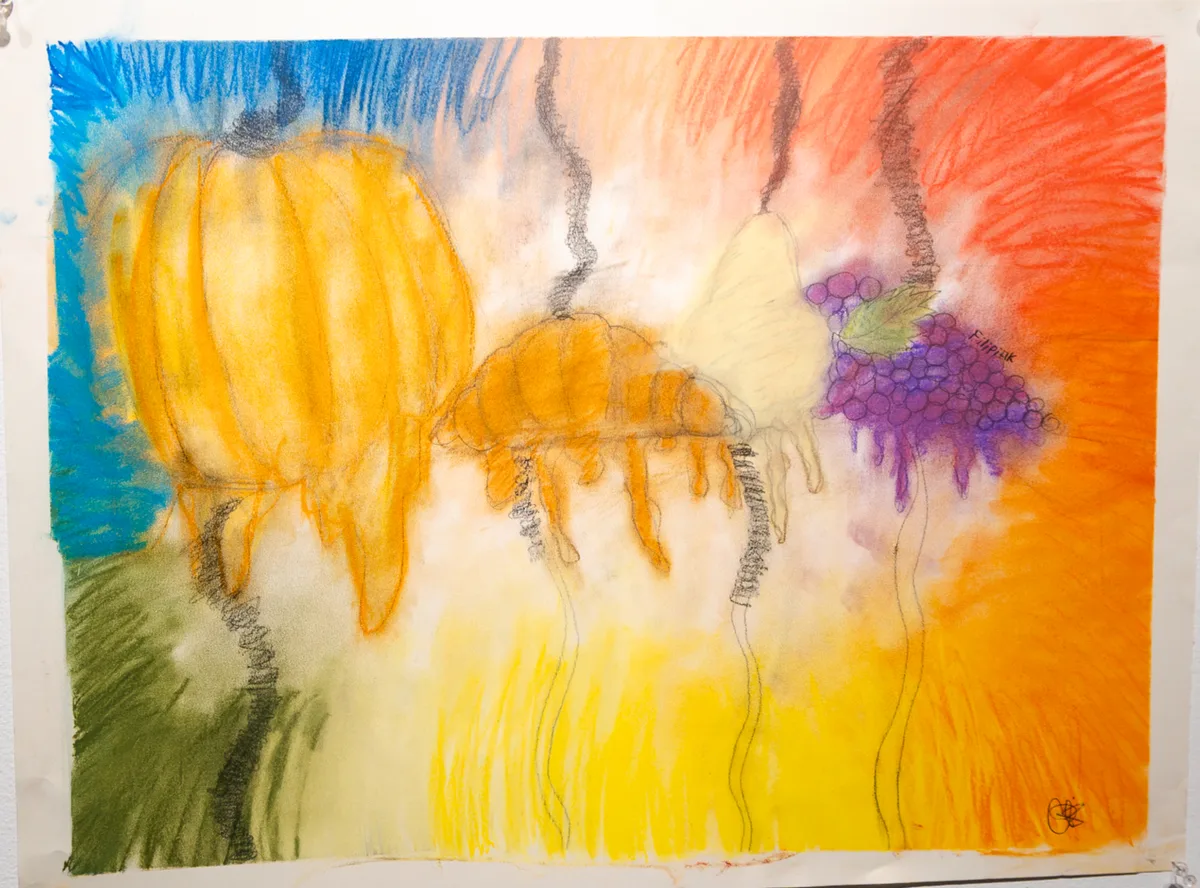
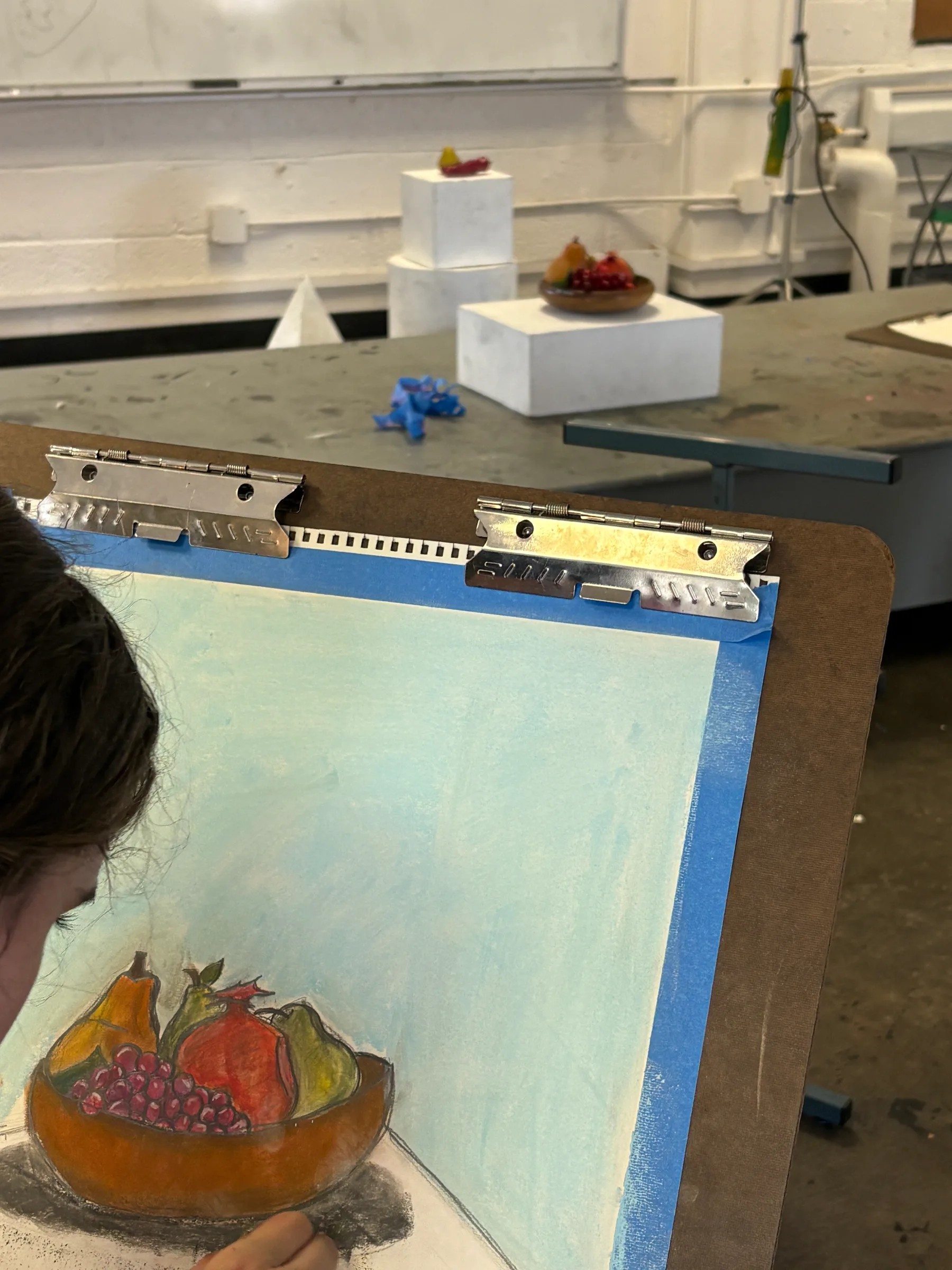
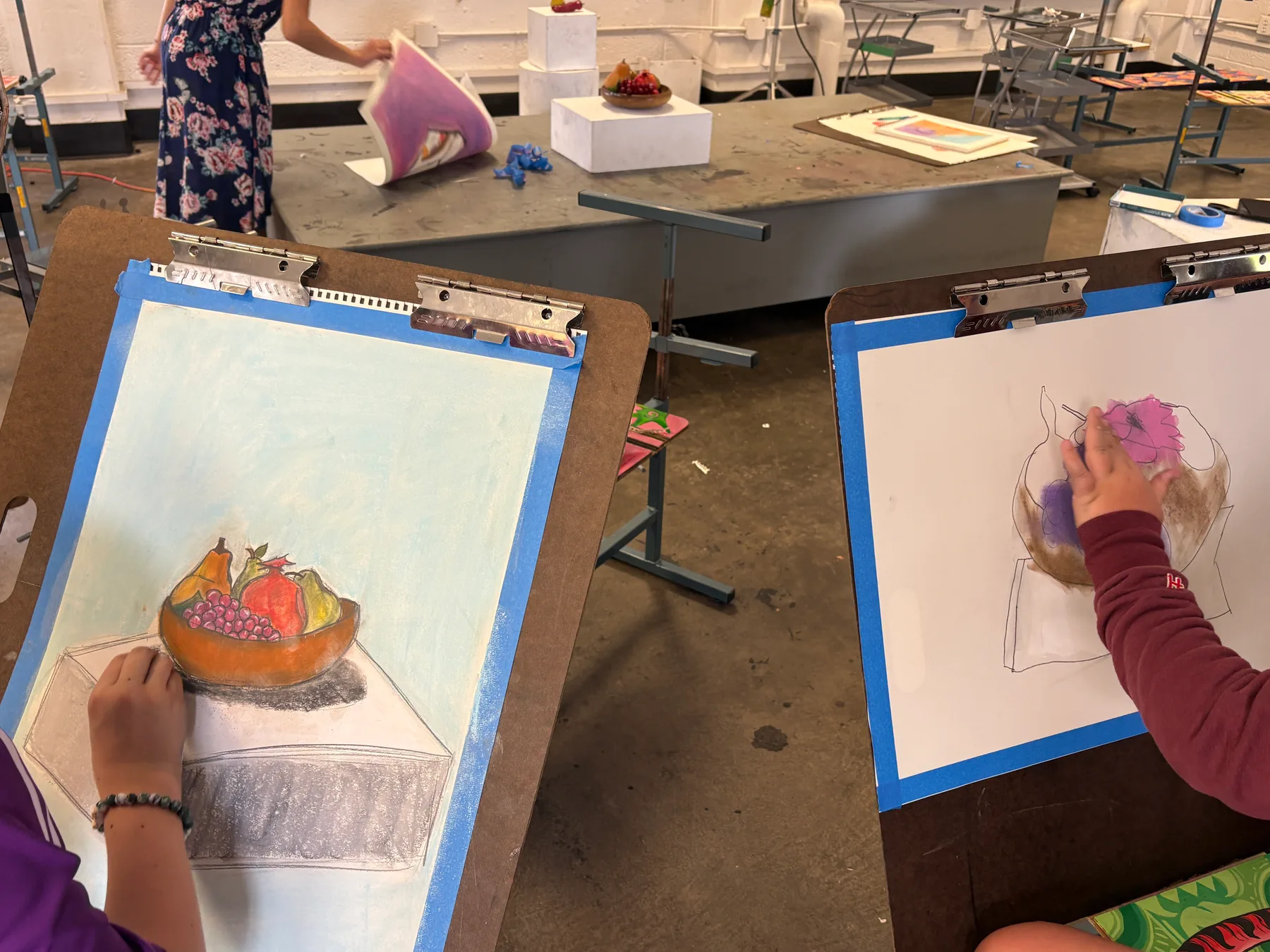
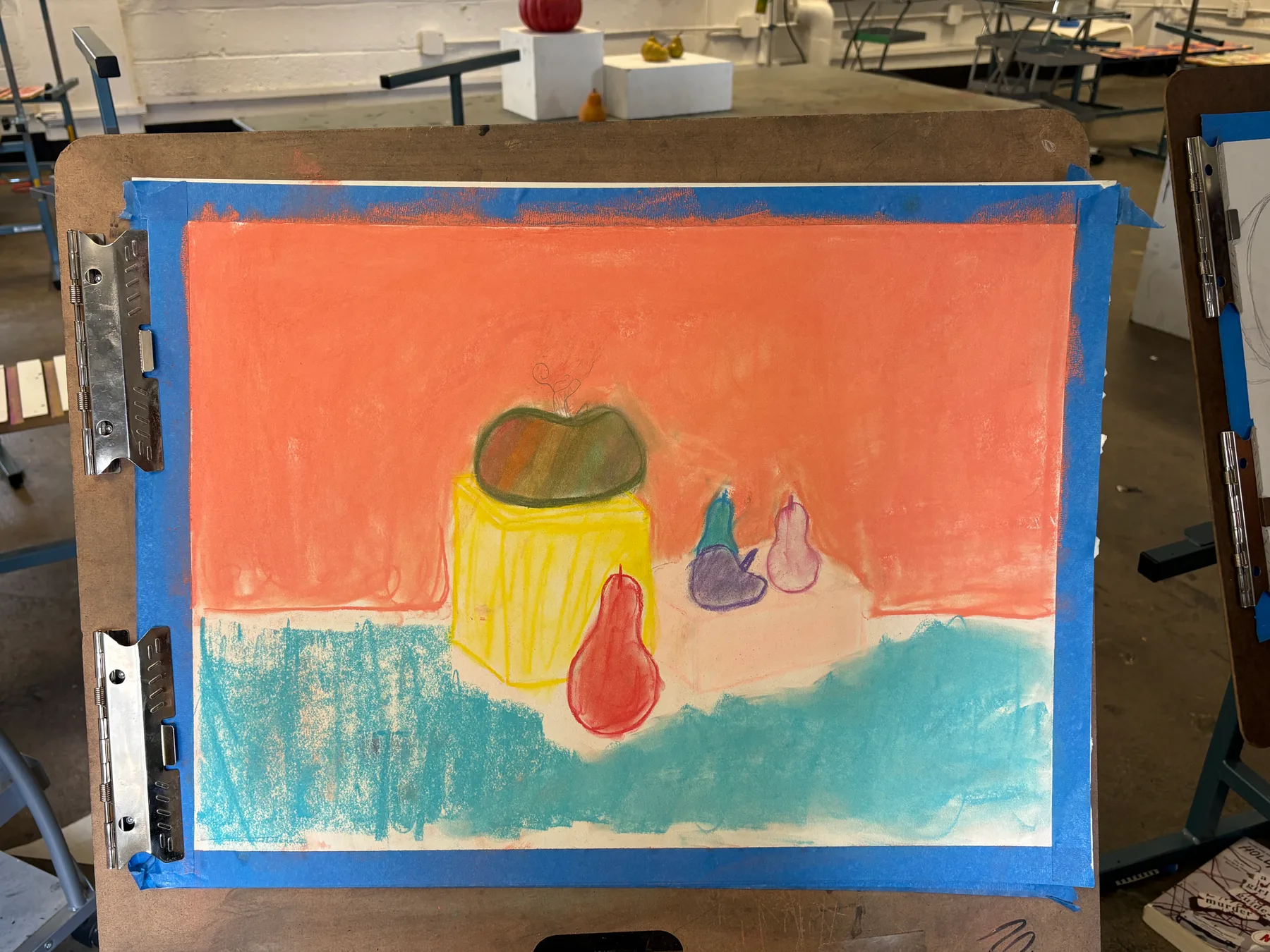
Students began by observing a still-life arrangement of fruits and everyday objects, exploring basic concepts of shape, proportion, composition, and form. They were then encouraged to move beyond literal observation by exaggerating shapes, transforming colors, and inventing textures based on their own perception and imagination. Using pastel, students created expressive interpretations of the still life that combined observation with creative experimentation.
Key Concepts
Observation · Shape · Proportion · Composition · Color · Texture · Exaggeration
Media
Pastel
Student Work
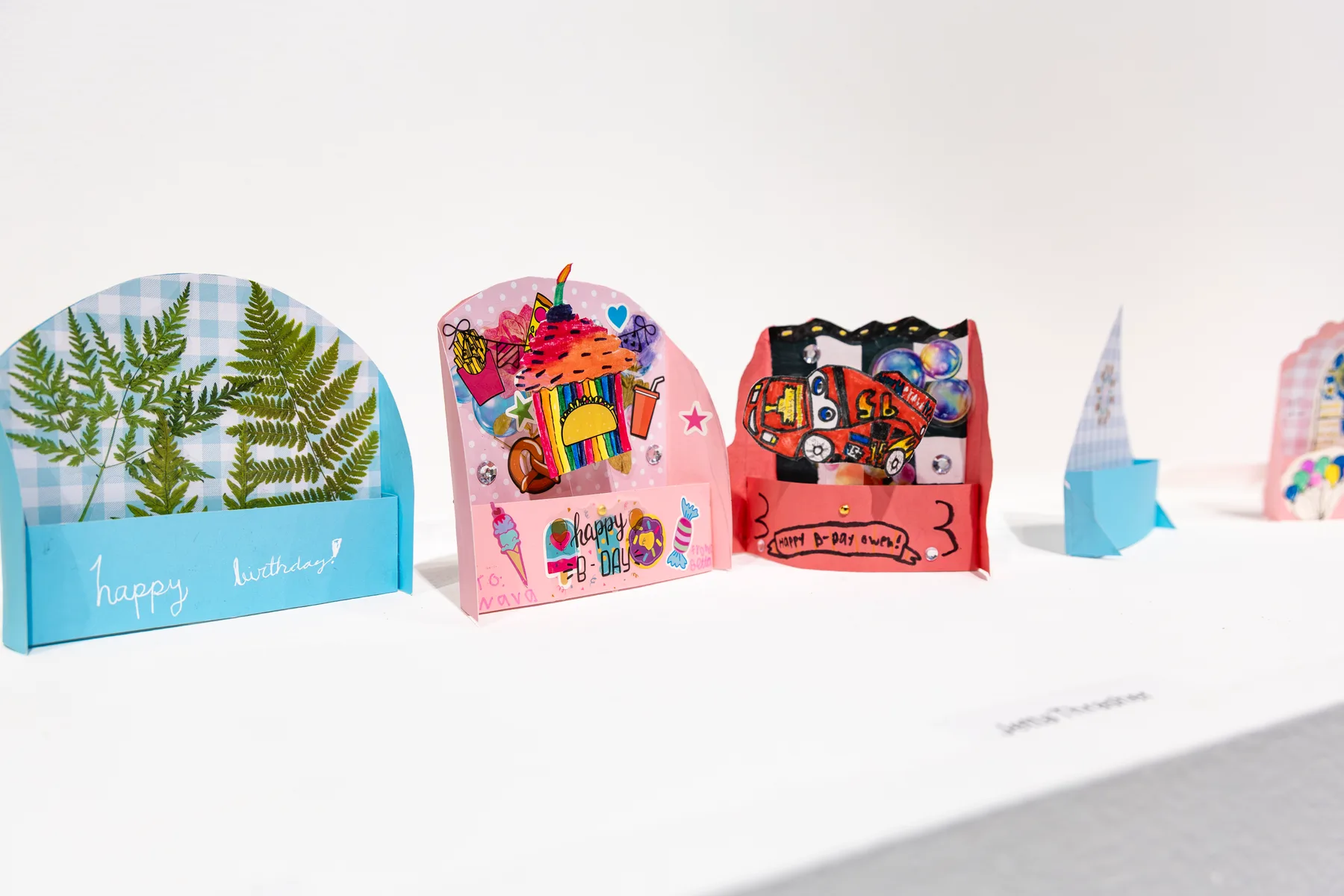
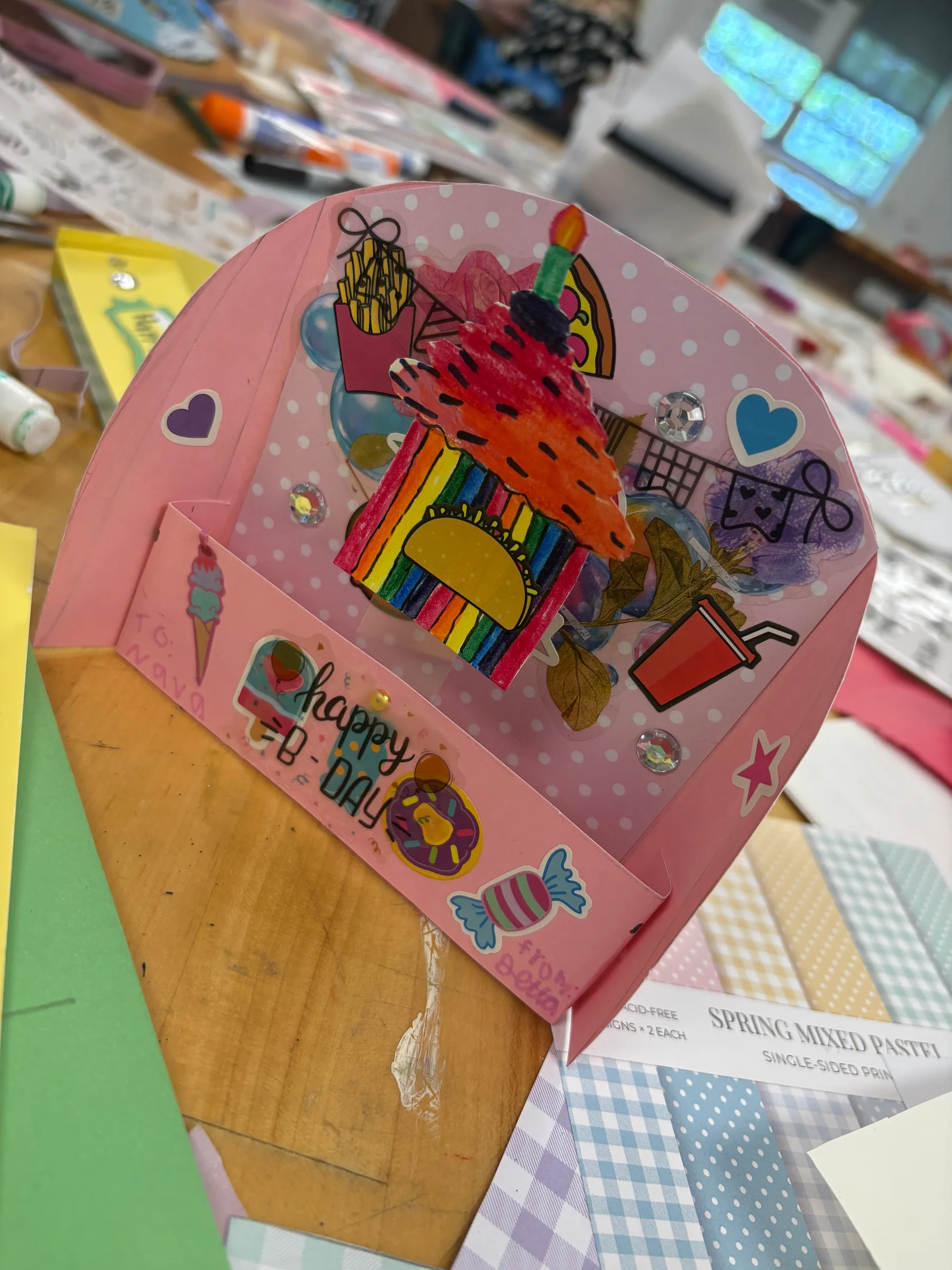
Project 02 — 3D POP-UP POSTCARD
Project Overview
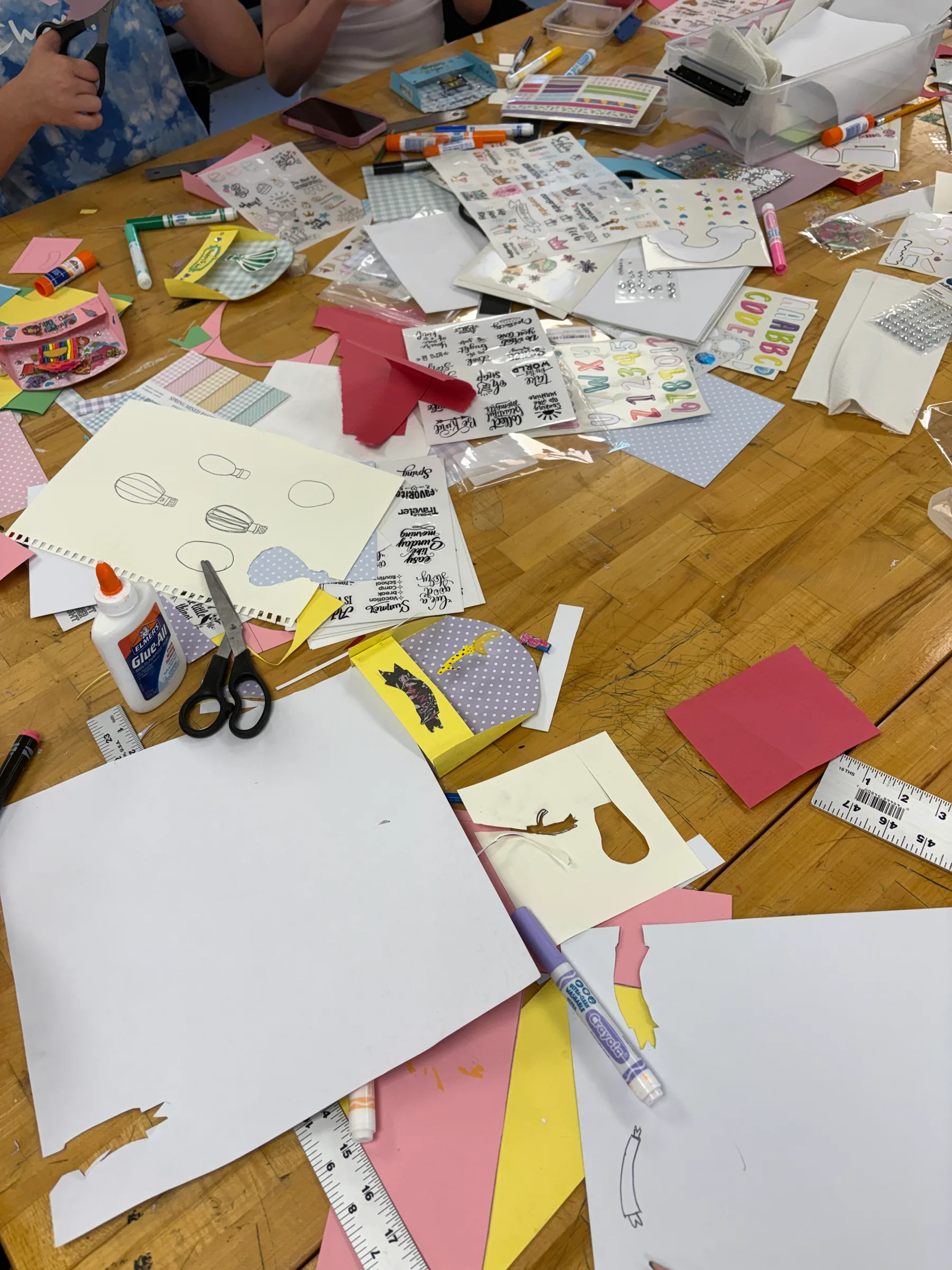
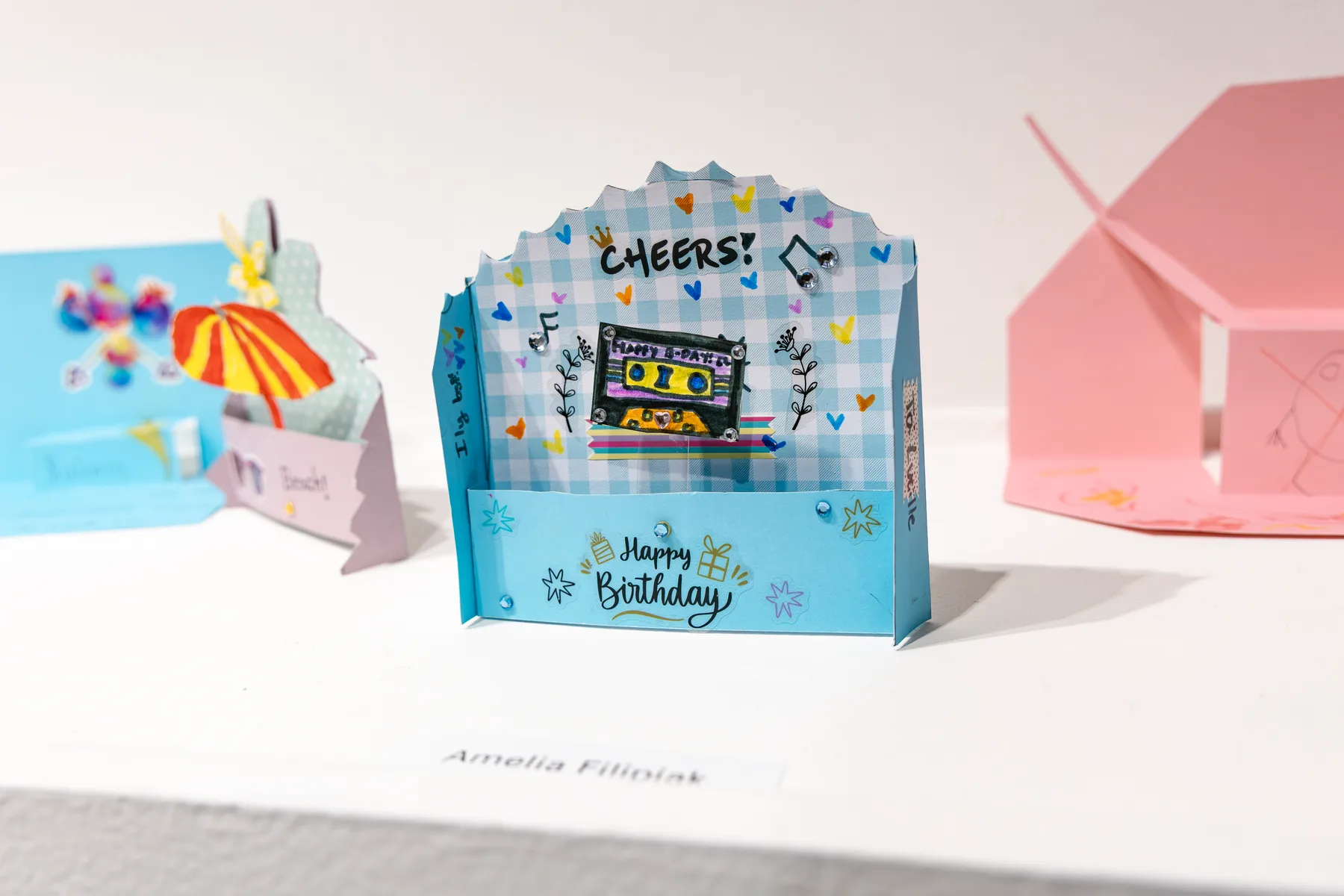
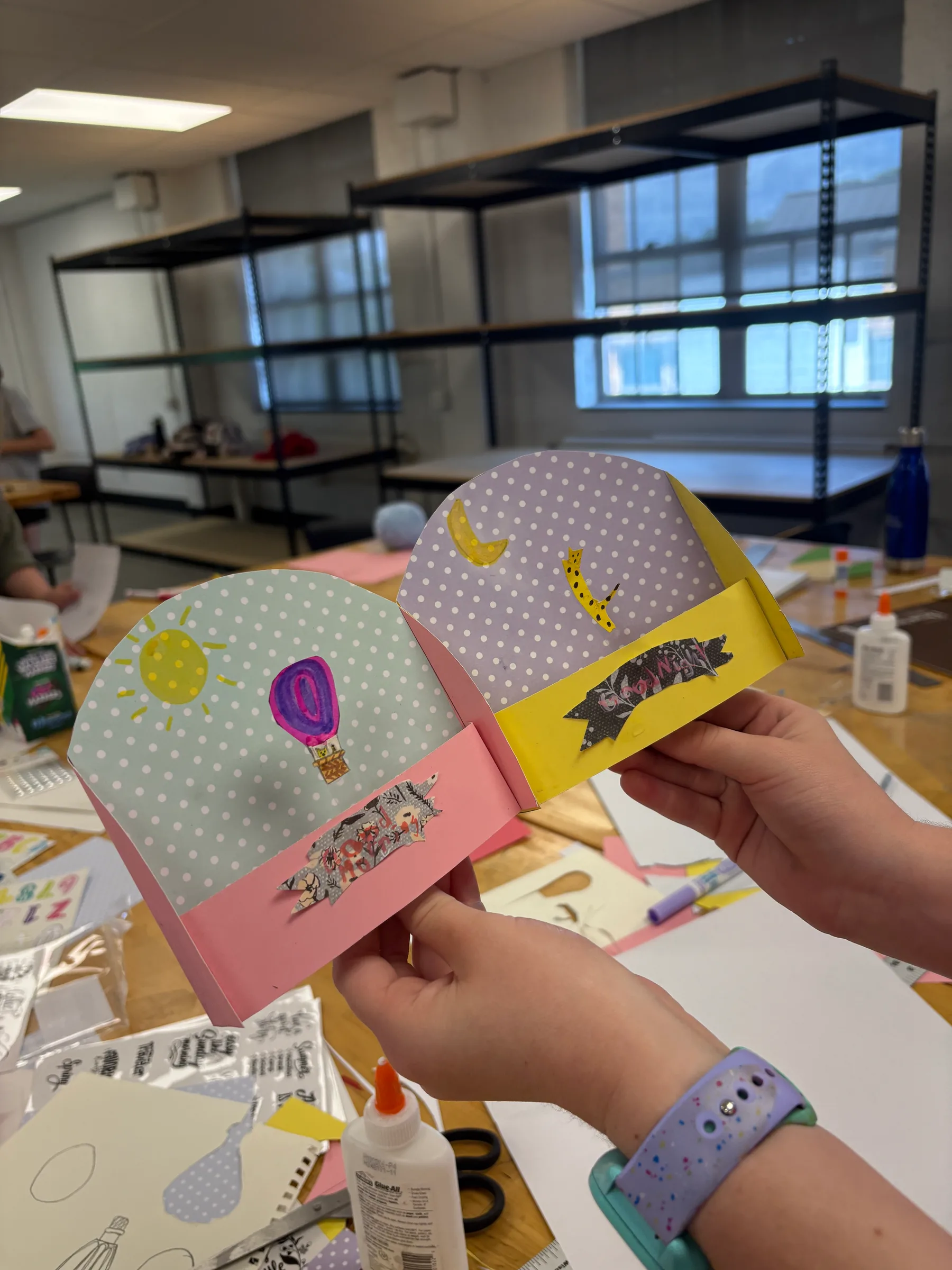
Students explored basic paper-engineering techniques by transforming a flat sheet of paper into a three-dimensional pop-up postcard. They developed a theme, planned their composition, and experimented with cutting, folding, layering, and color to create an interactive scene. The project introduced students to the relationship between two-dimensional design and three-dimensional structure through hands-on making.
Key Concepts
Paper Engineering · Form · Space · Layering · Composition · Movement
Media
Paper · Cardstock · Colored Paper · Marker · Collage
Student Work
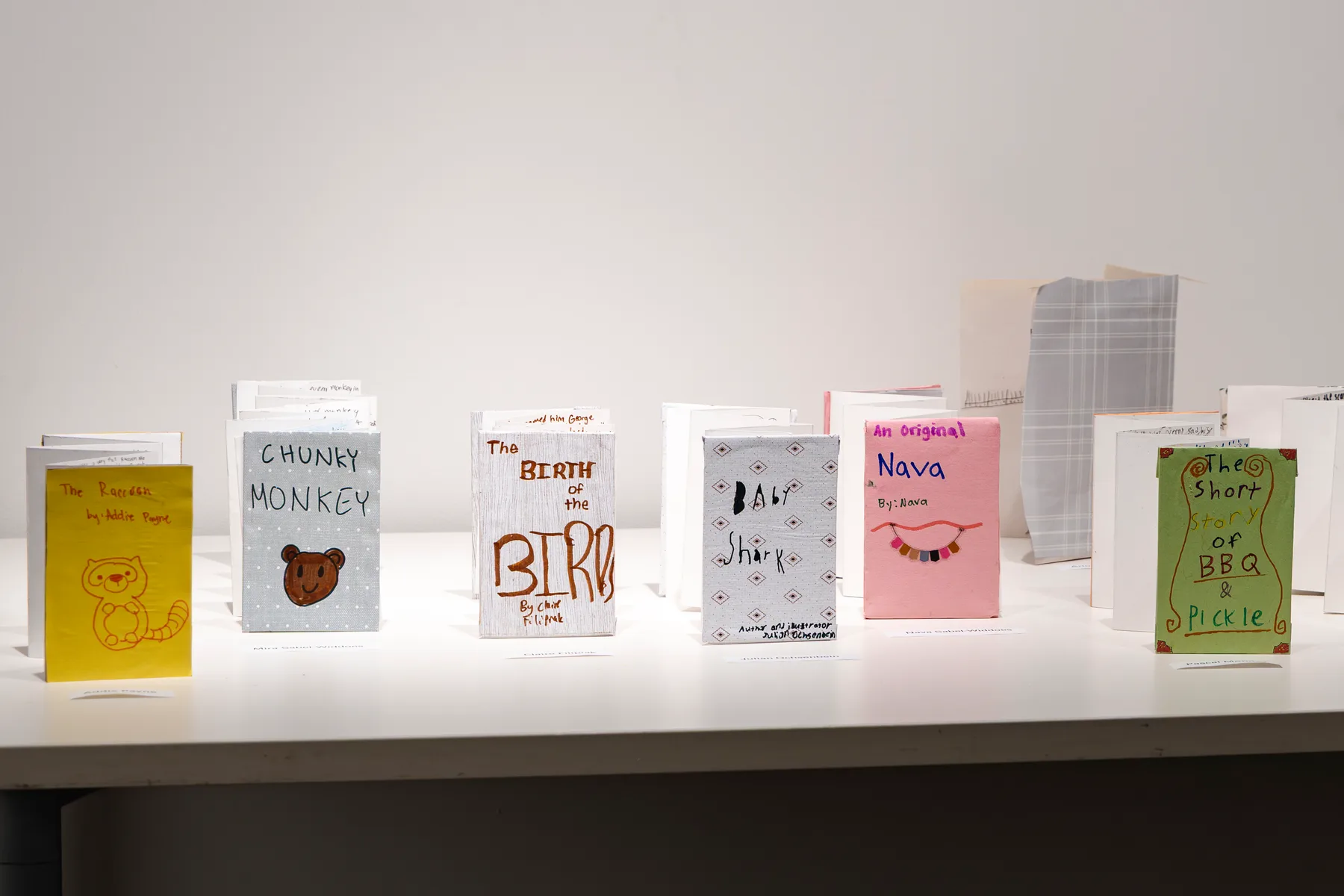
Project 03 — MINI HANDMADE ARTIST BOOK
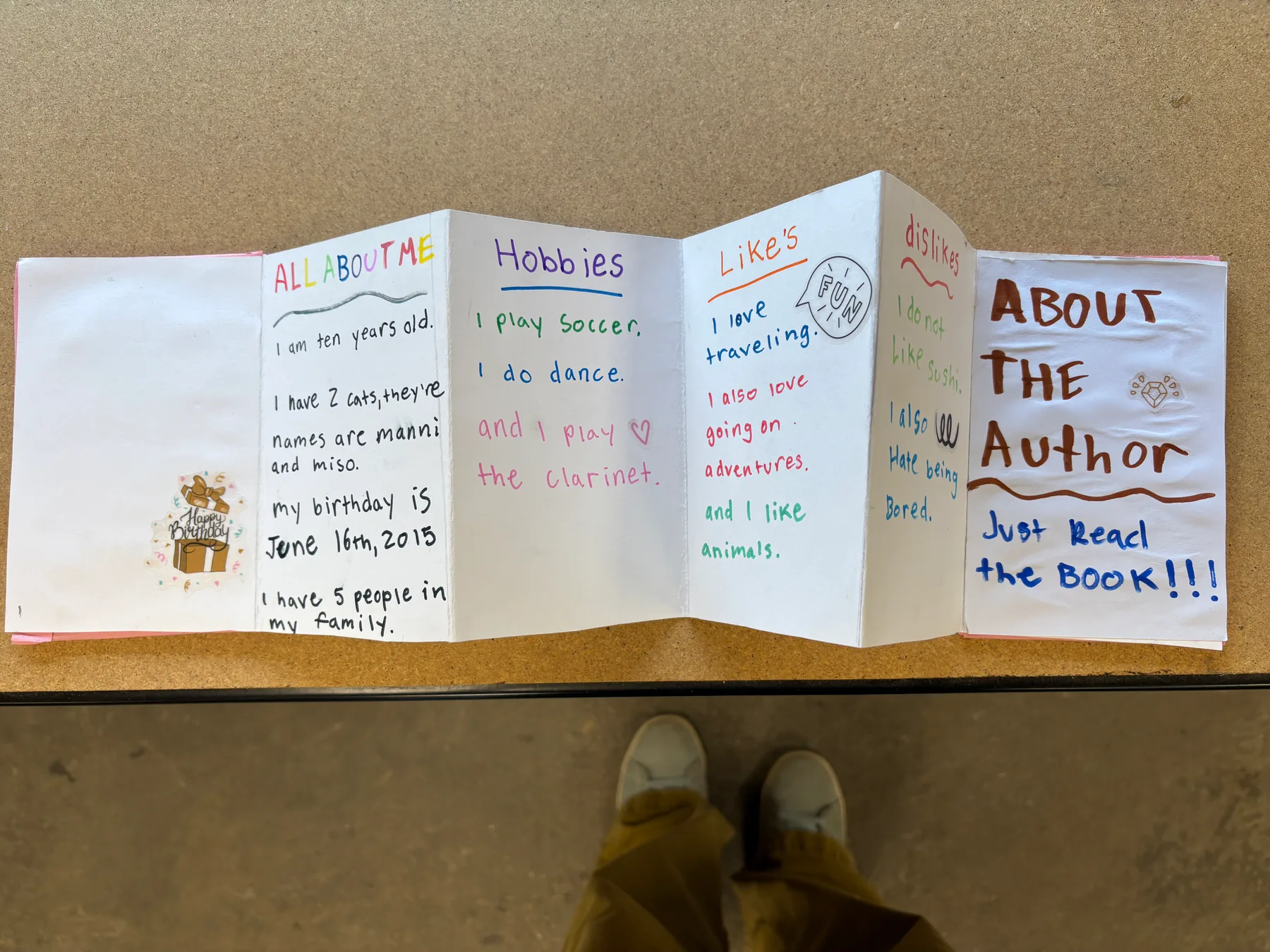
Project Overview
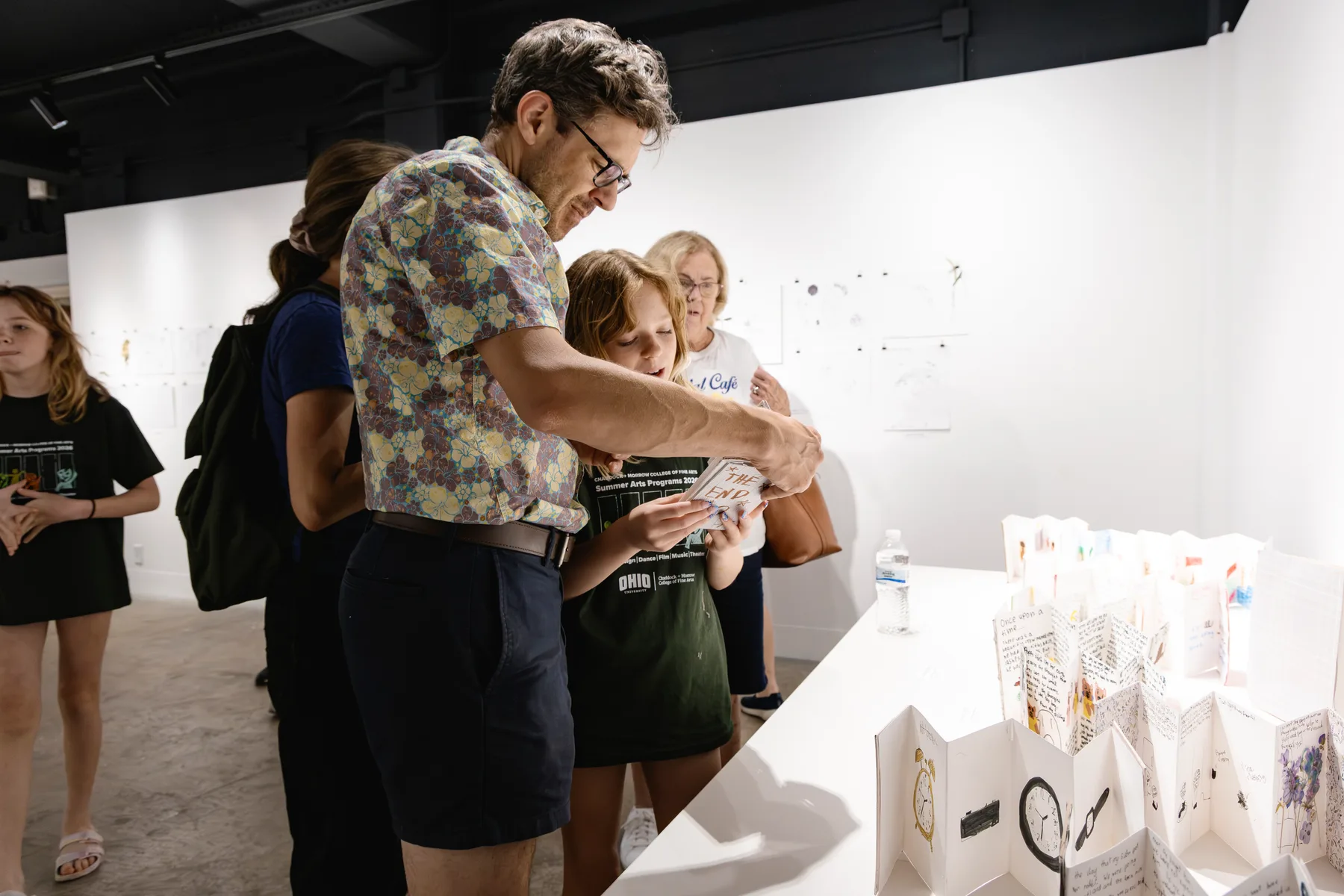
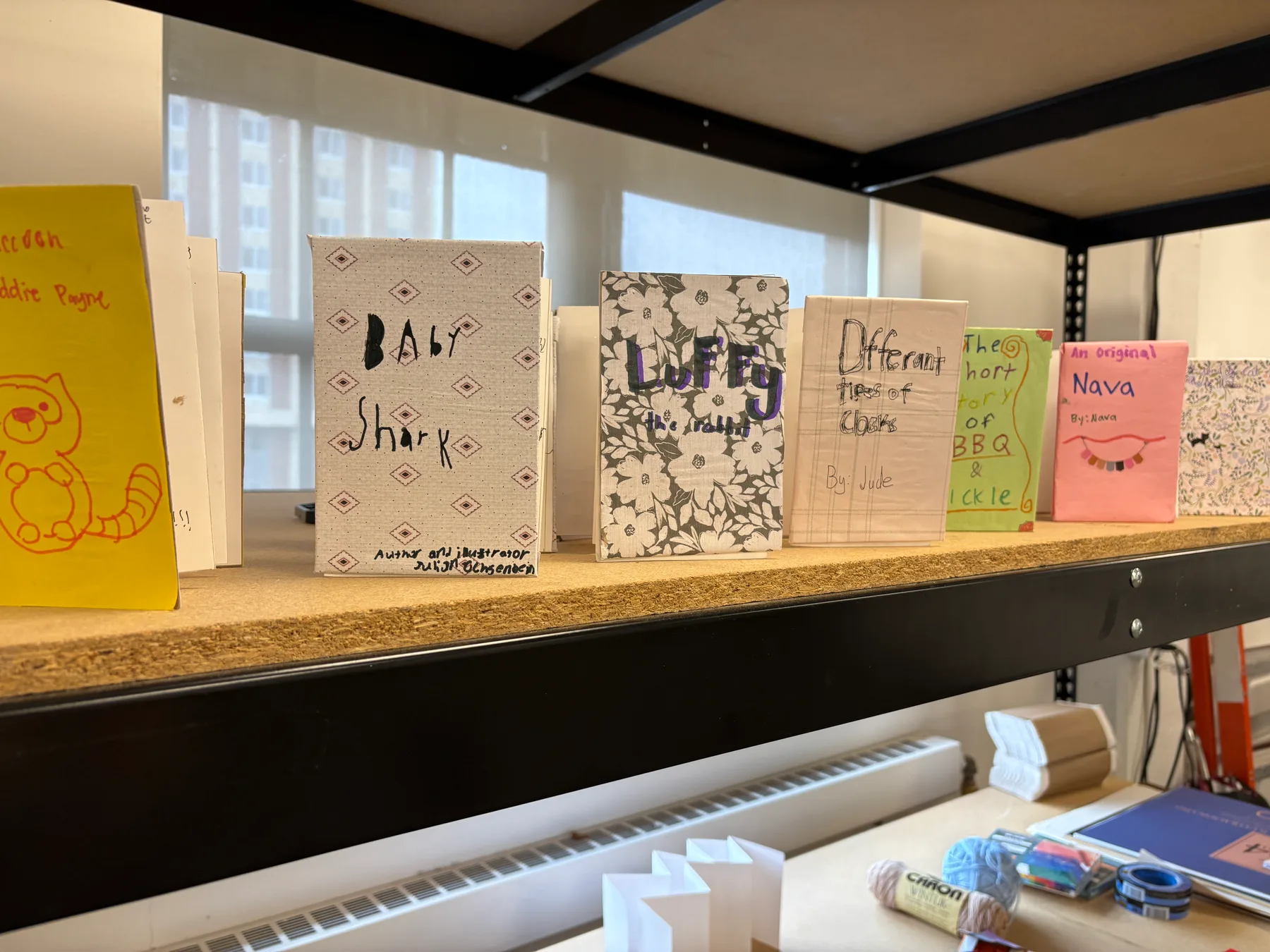
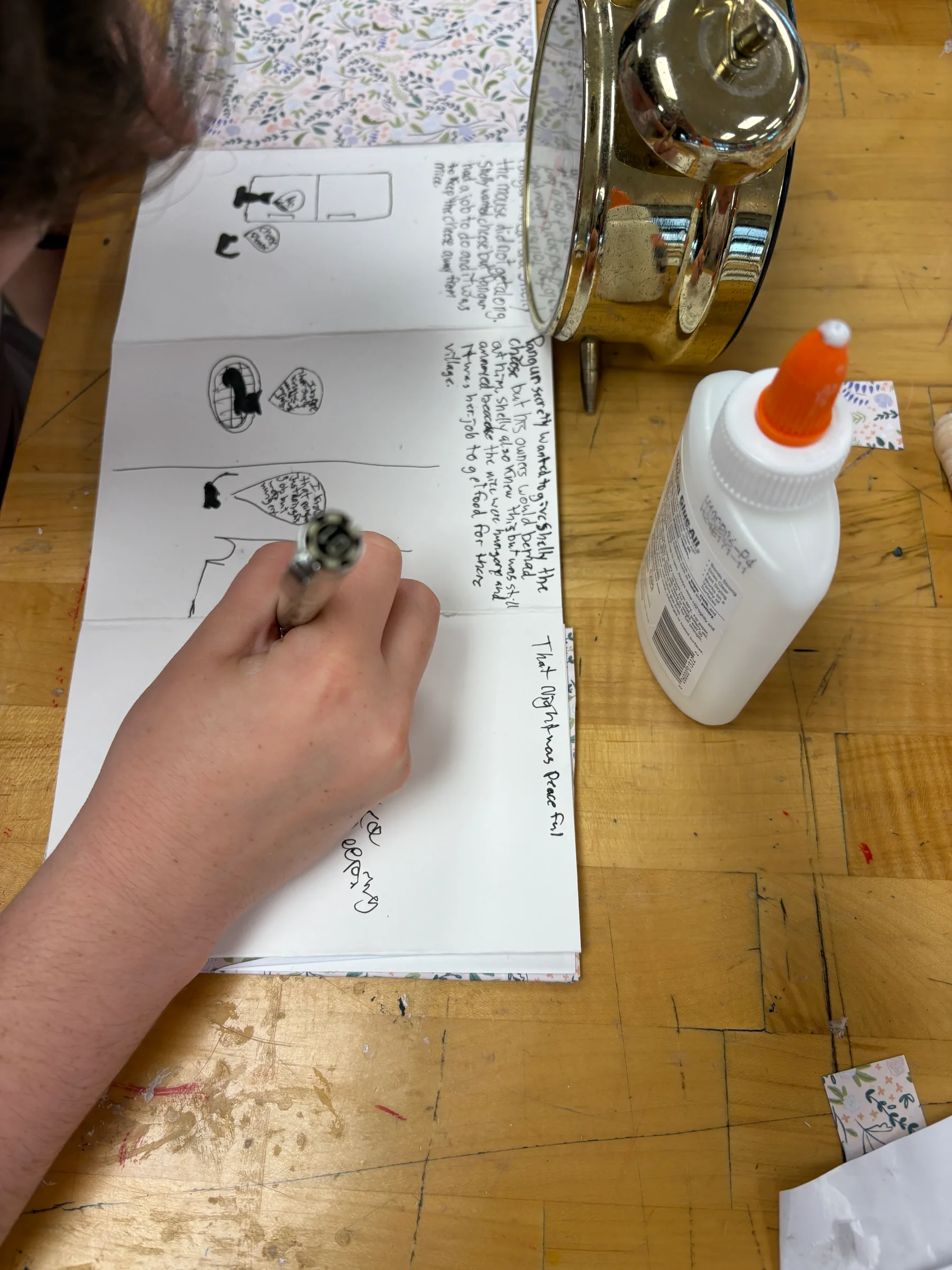
Students designed and constructed a small handmade artist book based on a story, theme, or visual idea of their choice. They planned a sequence of pages and combined drawing, collage, color, and simple design elements to develop their narrative. The project introduced students to book structure while encouraging them to think about storytelling, sequencing, and the relationship between individual pages and the book as a whole.
Key Concepts
Storytelling · Sequence · Book Structure · Composition · Illustration · Collage
Media
Paper · Drawing Media · Collage · Mixed Media
Student Work
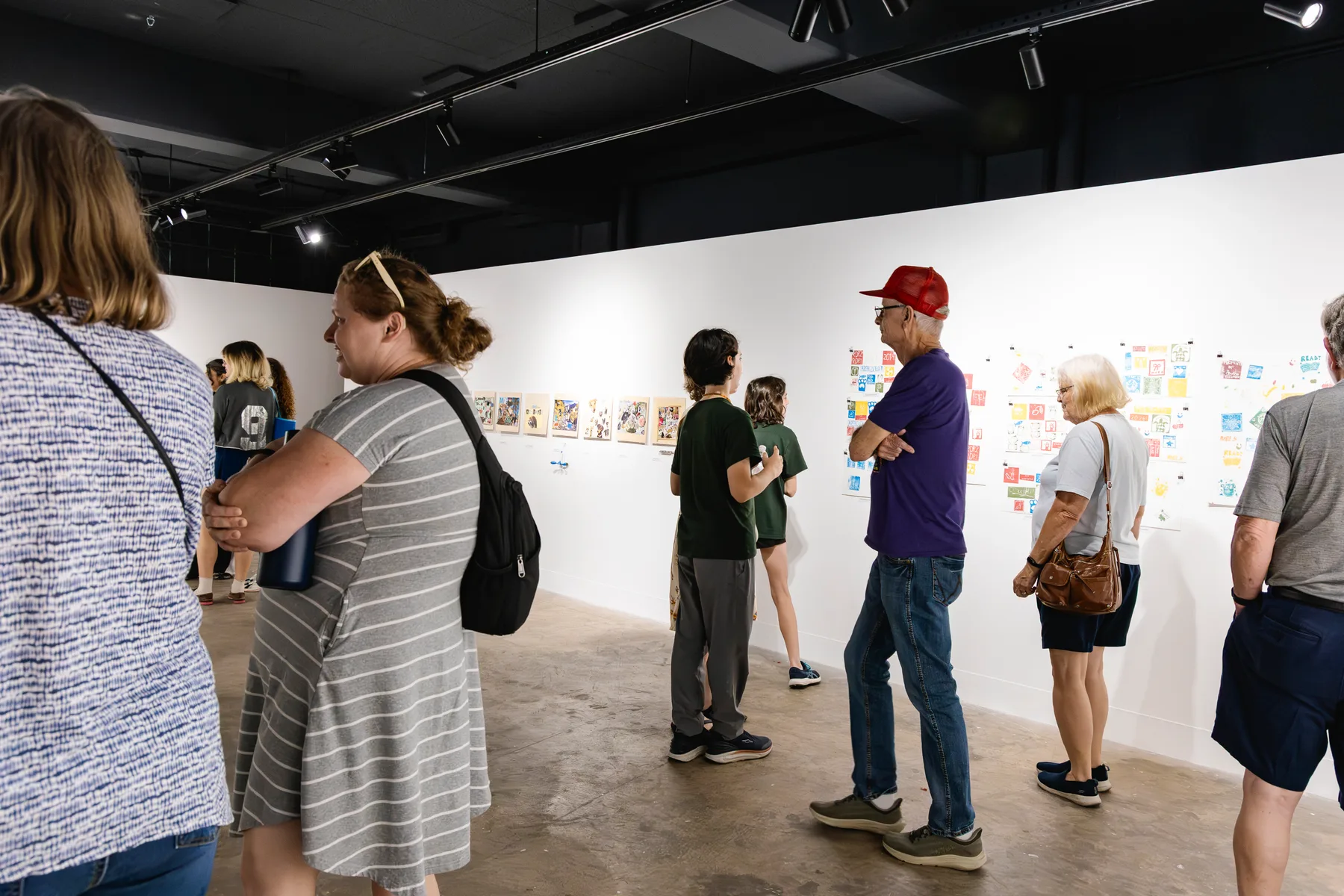
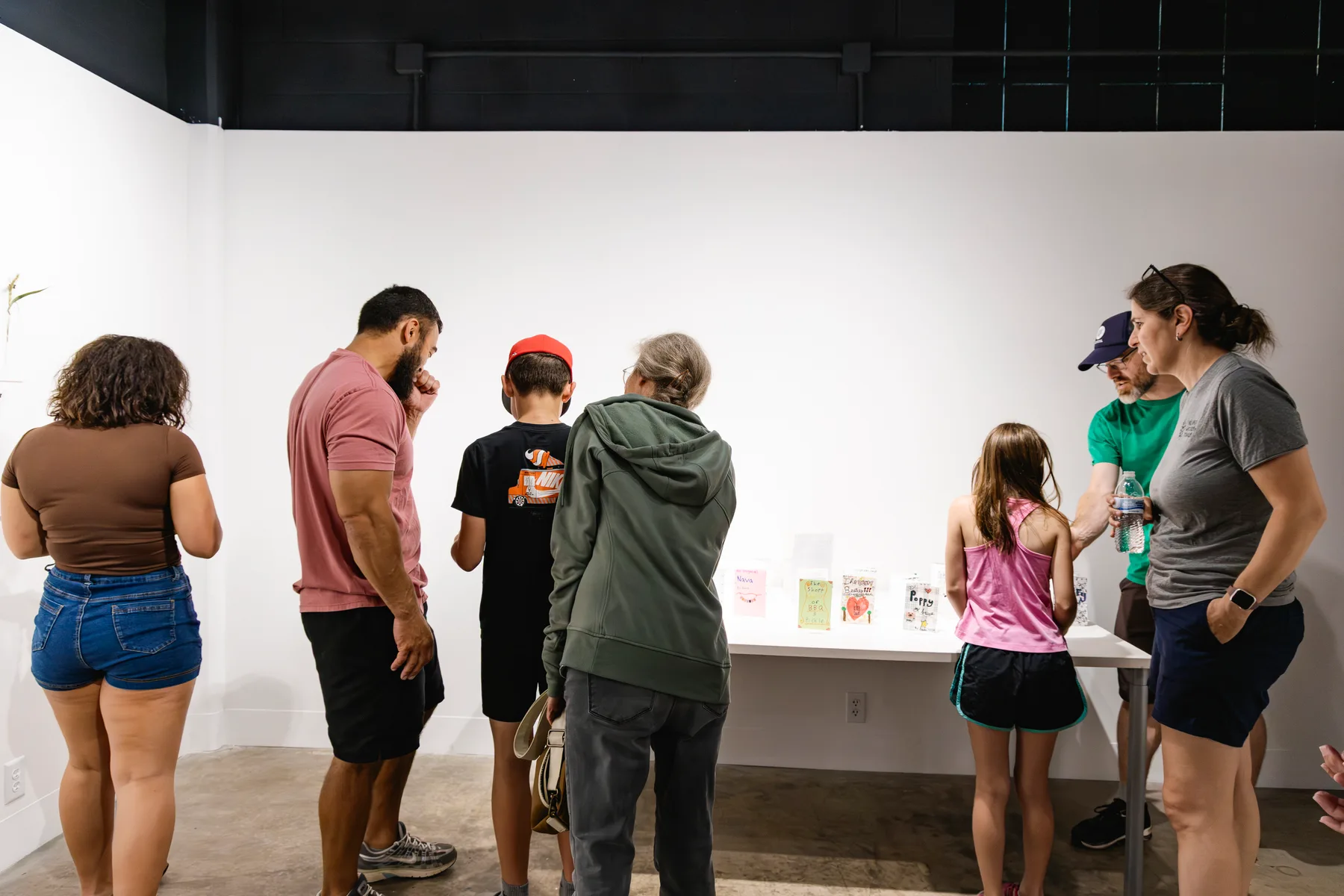
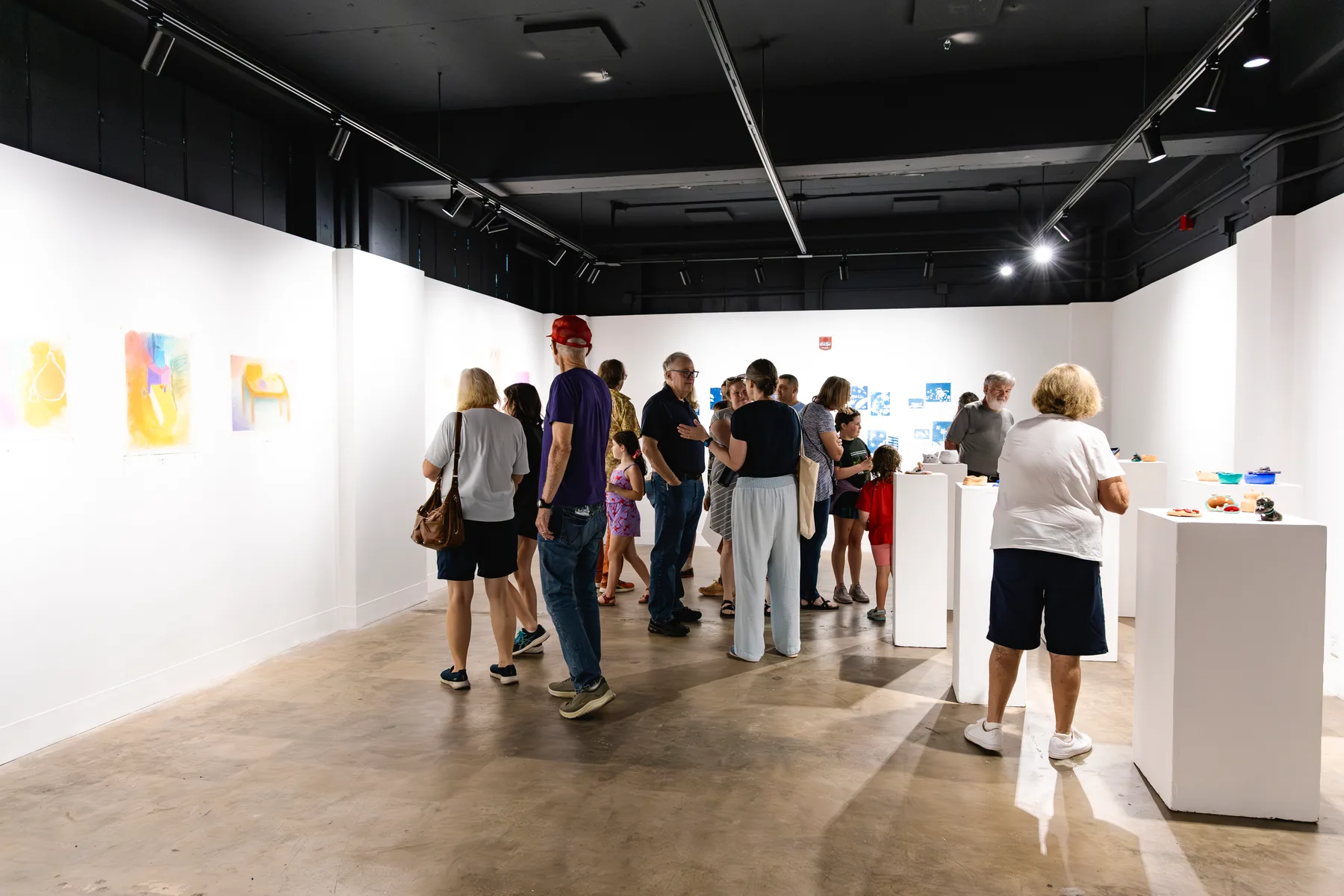
FINAL EXHIBITION
Celebrating Student Work
The week concluded with a final exhibition featuring work created across all three projects. I curated and organized the presentation of student work to celebrate their creative development and give students an opportunity to share their projects with others.